
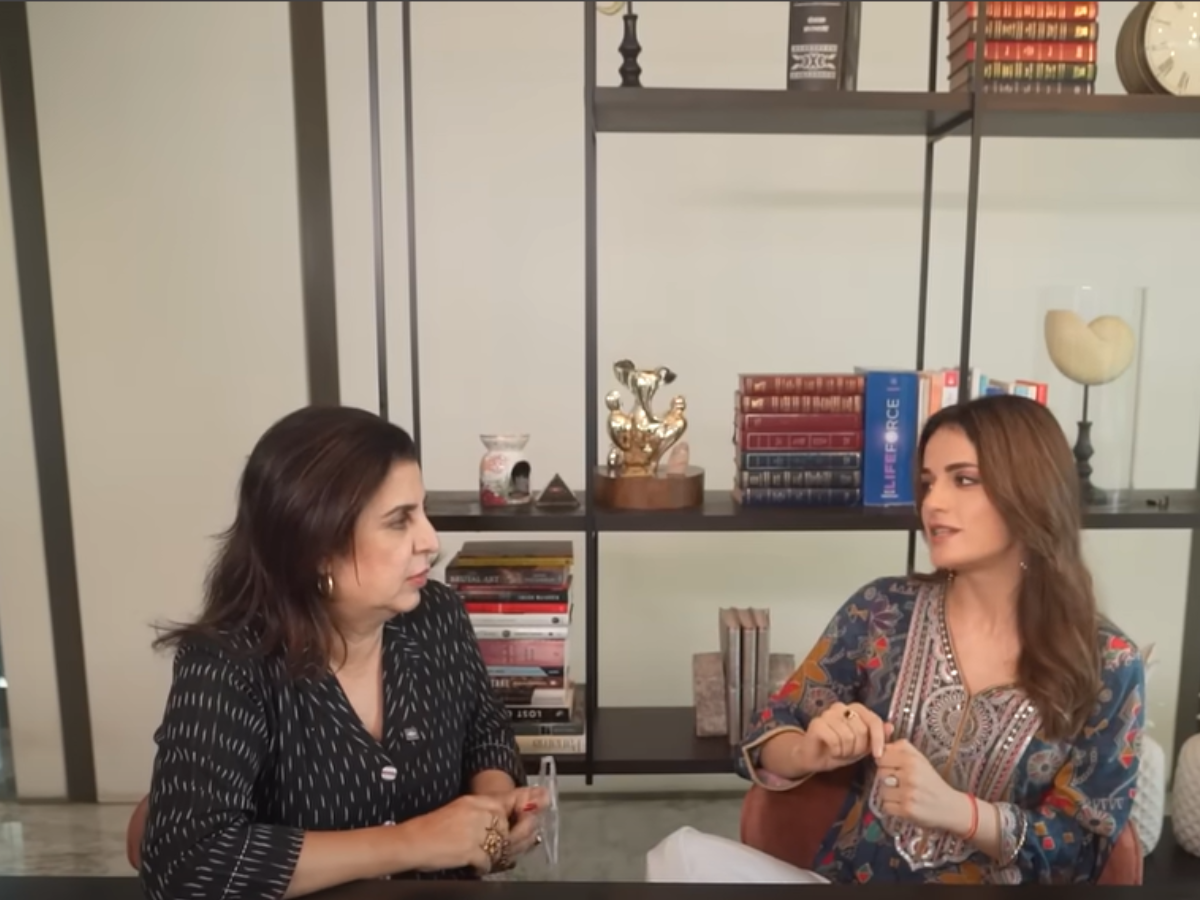

Farah Khan, a director and choreographer of Bollywood films, recently said something very deep that rang true for the film industry: “Tapke hi sona banta hai” Her comment came after actress Radhika Madan made a startling revelation on Farah Khan Talk Cooking Show about her early days in TV, where she would often tolerate grueling schedules going against conventional workplace norms.
Madan described an instance in which she worked an incredible 56 hours straight rather than just an 8-hour shift, demonstrating the tremendous physical strain and diligence that those who aspire to become artists in the fast-paced world of daytime soap operas must endure. This compelling story demonstrates the tremendous work and frequently unseen sacrifices required to succeed on Indian television.
Television is well known for its relentless production schedules, particularly when it comes to daytime serials. TV programs have to juggle daily deadlines, with episodes often on the air just a few days after being shot, compared to the more structured filming schedule of feature films. The actors and staff have to maintain a near-incessant work ethic to accomplish this.
While extreme, Radhika Madan’s account of a 56-hour continuous shoot highlights a systemic issue whereby artists, especially new ones, are pushed to the limits of their physical and mental stamina. Besides facilitating superhuman endurance, this grueling work environment has concerns regarding welfare for workers and the sustainability of such demanding work patterns over the long term.
The stress of creating high-quality content on a daily basis mostly comes in the form of these long hours, with the whole team, including actors and technicians, working together to achieve apparently impossible deadlines.
The Price of Passion: Dedication and Health
While always trying to focus on the glamour of the entertainment industry, the true stories of unyielding determination and sacrifice are very seldom being discussed.
The story of Radhika Madan is a wake-up call regarding how much hard work is needed to be successful. Her readiness to transcend social norms, even at the cost of their personal health, is typical of many struggling artists. Conversely, extended periods of uninterrupted work can do great damage to an individual’s physical as well as mental well-being.
In a field that frequently honours endurance without fully addressing its effects, sleep deprivation, stress, and burnout are serious issues. Farah Khan’s insightful comment brings to the forefront the reality that, just as gold is cleaned through strong heat, authentic ability and triumph often emerge as a result of enduring hard pressure. It leads to a wider debate on achieving a balance between artistic endeavor and having a good work-life balance within the rigorous area of Indian television.
A recent media graduate, Bhumi Vashisht is currently making a significant contribution as a committed content writer. She brings new ideas to the media sector and is an expert at creating strategic content and captivating tales, having working in the field from past over 10 months.




