
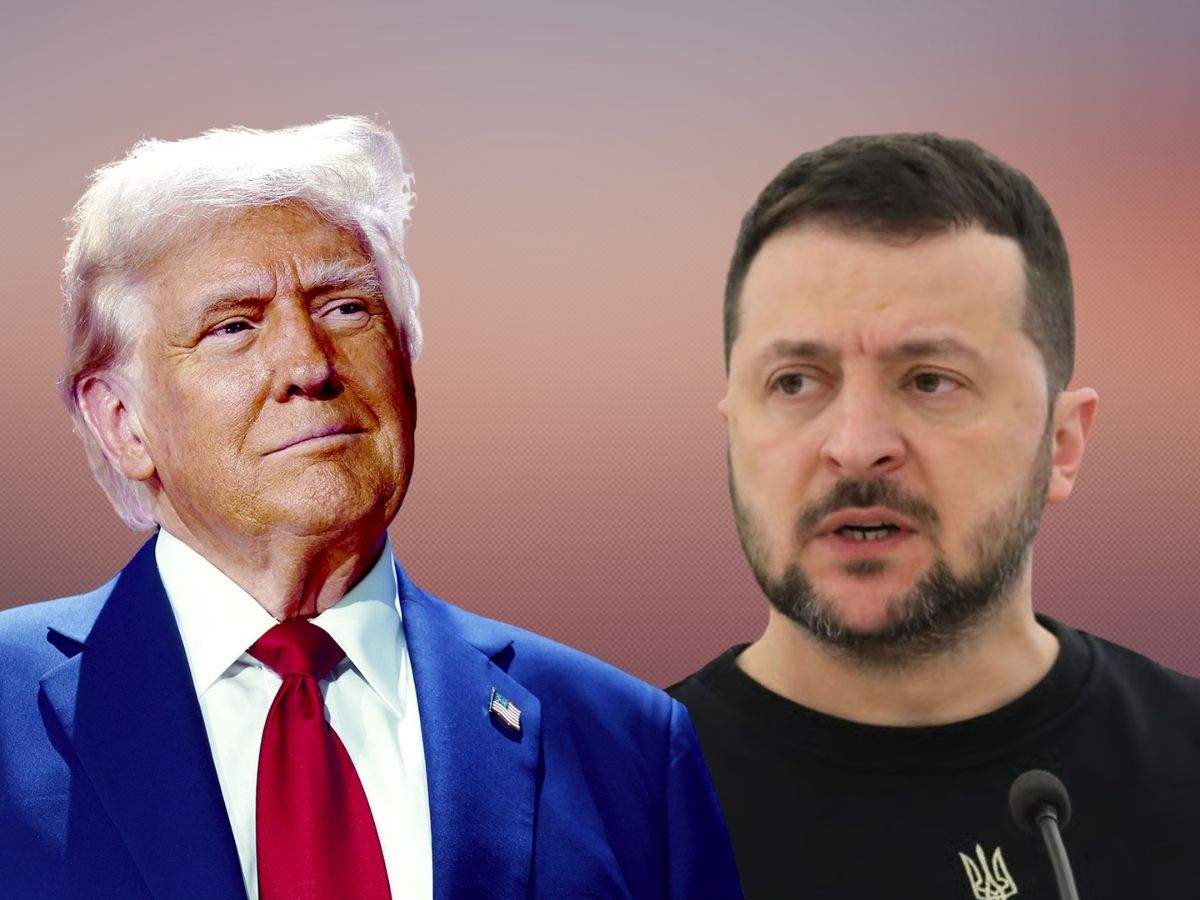

For months, US President Donald Trump pushed for a ceasefire in Ukraine, even calling it “very important” back in March. Speaking before his summit with Russian President Vladimir Putin in Alaska last week, Trump warned there would be “severe consequences” if Russia didn’t agree to a 30-day pause in fighting — a proposal Ukraine had accepted.
Trump’s Flip on Ceasefire
However, following his meeting with Putin, Trump appeared to have shifted his stance again. Instead of demanding a ceasefire, the US President seemingly embraced the Kremlin’s preferred plan: a final peace settlement first, before halting hostilities. This effectively meant continued bombing by Moscow until a deal’s reached. Trump also appeared to accept Russia’s territorial claims, including parts of Donetsk that Russia has long sought.
At a subsequent White House meeting with Ukrainian President Volodymyr Zelenskyy on Monday, Trump reportedly said, “I didn’t do any ceasefire,” all while insisting that he had ended “six conflicts without one.” He added he would “like them [the Russians] to stop” but suggested that a pause might hurt “one side or the other.”
Russia’s Hard Line
Russia — from what it appears — doesn’t seem to be interested in a ceasefire, at least for now. Over the summer, the country’s troops advanced into new territories in eastern Ukraine, while slowly, but at a heavy cost. Analysts say Putin believes he’s winning and aims to force Ukraine into harsh conditions: removing Zelenskyy, reducing the size and strength of the Ukrainian army, and blocking the country’s NATO membership.
Any ceasefire would likely control frozen along the current 1,000 kilometers-long frontline. A final peace deal, however, might require Ukraine to give up land, a move that Kyiv views as surrender. Ukrainians, meanwhile, have accused Putin of using Trump’s support to claim areas Russia couldn’t conquer militarily. If talks break down, Putin will blame Zelenskyy, observers say.
Frustration Among Ukraine and Allies
Ukraine’s European partners are reportedly frustrated by Trump’s reversal. Leaders from Britain, France, Germany, Italy, Finland, NATO and the EU gathered in Washington to support Zelenskyy and urge Trump to push Russia for a ceasefire first.
German Chancellor Friedrich Merz told Trump at the time, “Let’s work on that and let’s try to put pressure on Russia.” France President Emmanuel Macron, for his pat, stressed that European governments should be part of any peace talks.
Kyiv’s allies have, in recent days, now been increasingly using the phrase “stop the killing” to appeal to Trump’s sense of urgency.
Lessons From History
History suggests war doesn’t always end with a formal peace treaty. The Korean War, for instance, technically hasn’t ended since 1953 but continues under an armistice that created a demilitarised zone. This ceasefire appears to have largely lasted despite some reported violations.
Ukraine might accept a similar temporary settlement by recognising Russian control without ceding sovereignty permanently. However, Putin is reportedly opposed to a Korea-style armistice, looking at ways instead to absorb parts of Ukraine into a larger Russian sphere.




