
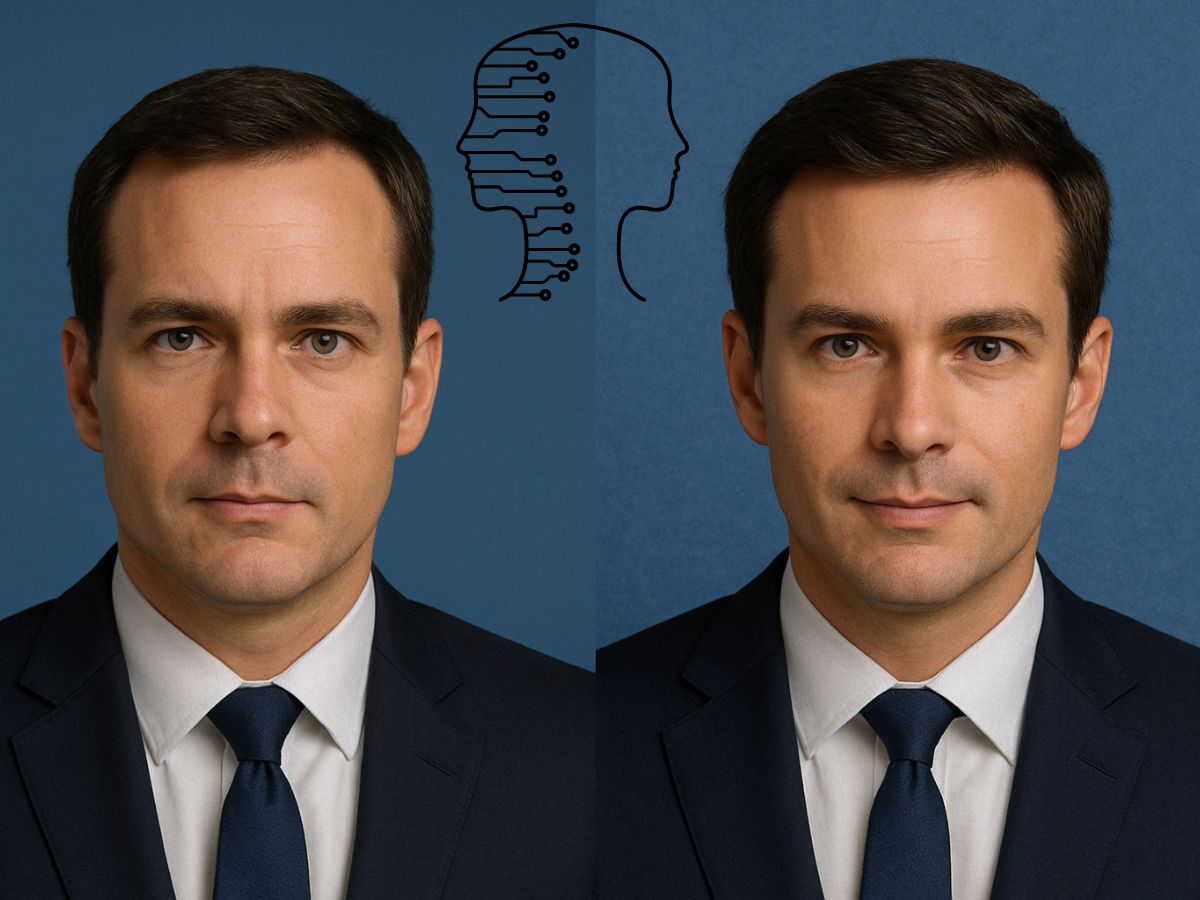

In today’s digital world, where artificial intelligence is perfecting the art of creating convincing illusions, the line separating fact from fiction is fast turning a hazy blur. From impersonating world leaders to fueling scams and identity theft, deepfakes have sparked global concern, especially in countries such as India, where smartphone penetration is at an all-time high.
With 85.5 per cent of Indian households now owning at least one smartphone, the manipulated videos and cloned voices can spread faster than the truth can catch up.
The real-world ramifications of the technology have already hit home. Last year, actor Rashmika Mandanna fell prey to a viral deepfake that triggered nationwide alarm related to digital safety and misuse of AI.
What Are Deepfakes?
Deepfakes are AI-generated or AI-manipulated videos, images, or audio recordings that are intended to appear and sound convincingly real. The term marries “deep learning” with “fake”, referring to the machine-learning systems used to create them. These models can accurately mimic the face, voice, expression, and speech pattern of a person.
The most prevalent manifestations are AI face swaps, lip-syncing videos that actually change speech, and voice cloning-so ‘spot on’ that the subject’s exact tone and delivery can be mimicked. Deepfakes get their power from neural networks-called Generative Adversarial Networks, or GANs-that continually test fake content against itself to refine it until it’s almost indistinguishable from reality.
Where are deepfakes most utilised?
Deepfakes span many domains these days. They power misinformation and propaganda via the fabrication of speeches and utterances from public figures, including world leaders and CEOs of technology companies. They enable frauds like financial scams, identity theft, and CEO impersonation. The most disturbing use is nonconsensual pornography-faces superimposed on explicit content for purposes of extortion, bullying, or blackmail. Cybercriminals are also using deepfakes to break into voice-based authentication systems and approve illegal money transactions.
What Technology Creates Deepfakes?
Creating a high-quality deepfake typically requires powerful computers equipped with high-end graphics processing units or cloud-based systems that compress production time from weeks to hours. While expert-level skills remain essential to creating professional-grade deepfakes, the technology is democratizing rapidly. A number of companies currently offer AI-face-swap services, and apps like Zao let users digitally insert their faces into movie scenes in seconds.
Can We Spot Deepfakes?
It’s becoming more difficult to identify a high-quality deepfake, but several visual and behavioral cues give away tampering. This might include unnatural blinking, mismatched lighting, flickering around the face, and inconsistent skin texture. Other common signs are poor lip-syncing, unnatural head movements, distorted teeth, and strange reflections in the eyes of the depicted person.
Audio deepfakes reveal their identity through unnatural pauses, robotic transitions, or mismatched intonation. Inconsistencies may appear in the file metadata, or reverse-search tools may show the original source of manipulated material.
A lot of investment is going into automated deepfake detection by research institutions and technology companies. Detection systems currently achieve up to 98% accuracy on known deepfake formats; although their newer models are constantly improving to evade detection.
What’s Real in a Fake World? The Growing Threat of Shallowfakes
But deepfakes are not the only problem. Shallowfakes, though low-tech, promise to be just as dangerous. These include manipulative edits such as slowing down, speeding up, cropping or misframing of real footage in order to alter public perception. A video of US Speaker Nancy Pelosi, slowed down to make it seem that she was intoxicated, cascaded across social platforms, setting public opinion into a tailspin before fact-checking could catch up with it. A doctored video of CNN journalist Jim Acosta seemed to show him aggressively handling an intern; it set off a political firestorm.
Are deepfakes always bad?
Not necessarily. Deepfakes also allow medical advances that help restore the speech of voiceless patients and power immersive storytelling in museums. They help film production, improve multilingual dubbing, and even resurrect historical figures in educational settings. Yet, the technology’s capacity for harm still remains far greater than its creative benefits.
How to stay aware and protect yourself
In an era where seeing is not believing, the need for digital awareness is crucial. Be suspicious of every sensational, heart-wrenching video forwarded via social media, especially in the absence of any credible sources or context. Let fact-checking platforms, reverse searches on images, and a detailed examination be done before sharing. Individuals, organisations, and governments must practice caution against falling prey to AI-enabled deception.
Can You Spot a Deepfake? The Future Ahead
As deepfakes get more sophisticated, the cat-and-mouse game between makers and detectors grows more heated. Governments, universities, and technology companies are bankrolling global research challenges to harden up detection tools. Social media platforms are revising policies and prohibiting deceptive AI-generated political content.
The central question would then be: What is authentic in the time when reality can be rewritten digitally? It all depends on awareness, vigilance, and responsible technology use.
In a world where technology can masquerade as truth, human judgment must be stronger than an illusion.
Sofia Babu Chacko is a journalist with over five years of experience covering Indian politics, crime, human rights, gender issues, and stories about marginalized communities. She believes that every voice matters, and journalism has a vital role to play in amplifying those voices. Sofia is committed to creating impact and shedding light on stories that truly matter. Beyond her work in the newsroom, she is also a music enthusiast who enjoys singing.




