
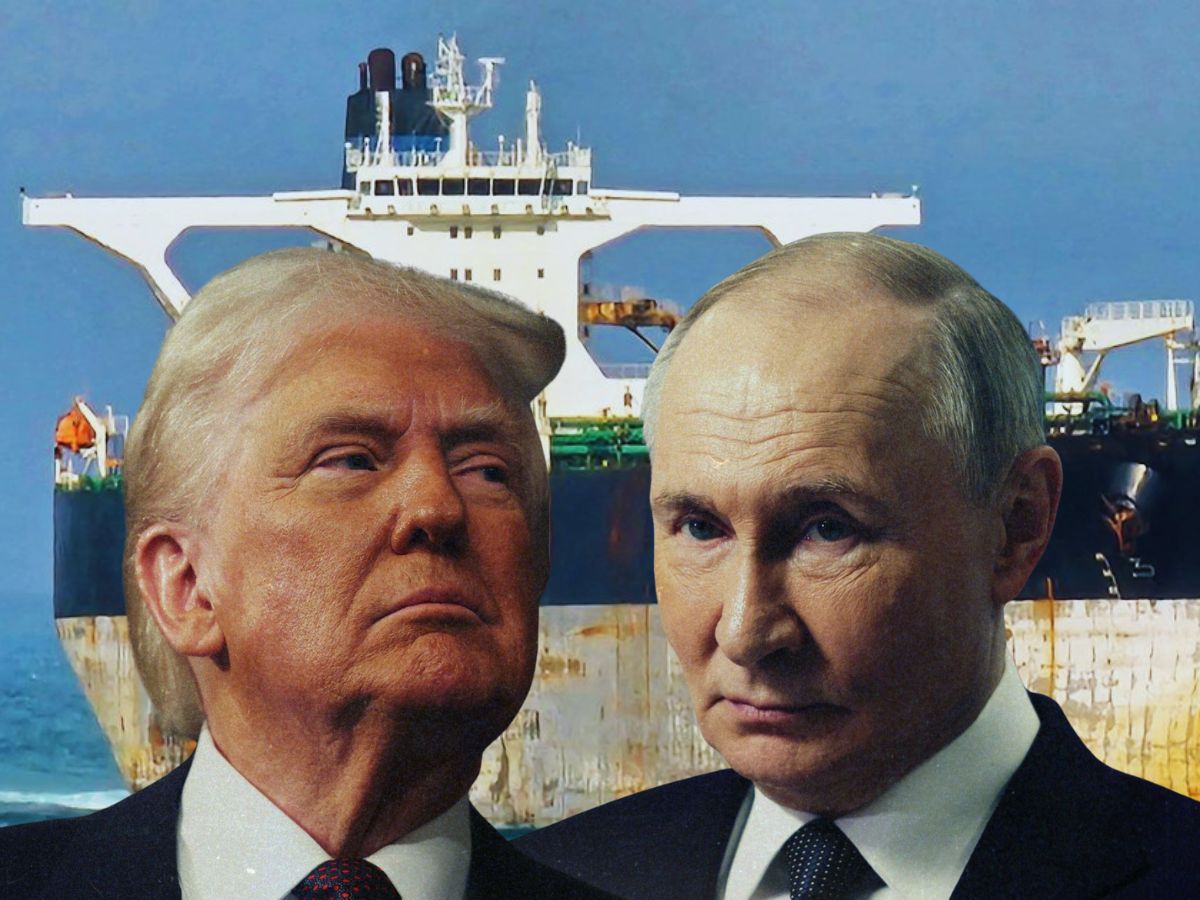

A Russian-flagged tanker ship, with connections to Venezuela, has been seized by the United States.
The ship, which was originally named Bella 1 but has been rechristened Marinera, has been right at the middle of a US-led manhunt across the Atlantic Ocean for over two weeks.
The involvement of the Russian submarine and sea vessels to protect the tanker has marked an unusual incident between the states.
What is Bella 1 / Marinera?
Bella 1 is an old oil tanker that has a history of transporting oil from Venezuela. This ship recently came into international prominence due to an attempt to avoid U.S. sanctions on Venezuela’s oil shipments.
After numerous failed attempts by the US Coast Guard to intercept the tanker, the crew painted a Russian flag on the side of the ship, changed its name to Marinera, and registered the ship flag-carried in Russia.
Moscow has registered this ship remarkably quickly and without conducting due inspections; this shows that Moscow attaches great significance to it.
Although the tanker is currently bearing an empty cargo, it remains under scrutiny as part of the U.S. campaign to enforce sanctions on networks facilitating illegal oil shipments.
Why Did the United States Seize the Tanker?
The U.S. Coast Guard treated Bella 1/Marinera as part of a shadow fleet used to transport black-market oil, including supplies linked to Russia.
Authorities said the vessel attempted to evade a maritime blockade targeting sanctioned tankers near Venezuela and had previously resisted boarding attempts in international waters.
The seizure represents the first known instance in recent memory of the U.S. military attempting to capture a Russian-flagged vessel. U.S. officials emphasize that the operation is part of broader efforts to enforce sanctions and prevent the transport of oil outside international regulations.
Russia’s Response: Submarine and Naval Escort
In response to the U.S. seizure, Moscow deployed a submarine and other naval vessels to escort the tanker. Russian authorities expressed concern over what they called disproportionate attention from the United States and described the vessel as a peaceful civilian ship. State media highlighted the standoff as an example of U.S. interference in legitimate shipping activities.
The Russian Foreign Ministry stated it was closely monitoring the situation, underscoring the growing geopolitical stakes and the tensions between Washington and Moscow, which are already strained due to the ongoing conflict in Ukraine.
Location and Maritime Standoff
According to ship-tracking data, the tanker is currently sailing in the eastern Atlantic, roughly 300 miles south of Iceland, heading toward the North Sea. The U.S. Coast Guard continues to shadow the vessel, prepared to enforce sanctions, while Russian naval forces remain in the general vicinity.
The confrontation has coincided with the presence of U.S. military transport aircraft and helicopters in the United Kingdom, highlighting the scale of operations involved in monitoring and potentially intercepting the tanker.
The standoff comes at a sensitive time for U.S.-Russia relations. Washington continues its pressure campaigns against Venezuela and seeks to curb Russia’s oil exports, while Moscow’s protection of the tanker signals a willingness to defend Russian commercial interests far from its borders.
Experts warn that the incident could further complicate diplomatic negotiations involving Ukraine and global energy markets, while also highlighting the risks of maritime confrontations when enforcing international sanctions.
Sofia Babu Chacko is a journalist with over five years of experience covering Indian politics, crime, human rights, gender issues, and stories about marginalized communities. She believes that every voice matters, and journalism has a vital role to play in amplifying those voices. Sofia is committed to creating impact and shedding light on stories that truly matter. Beyond her work in the newsroom, she is also a music enthusiast who enjoys singing.




