
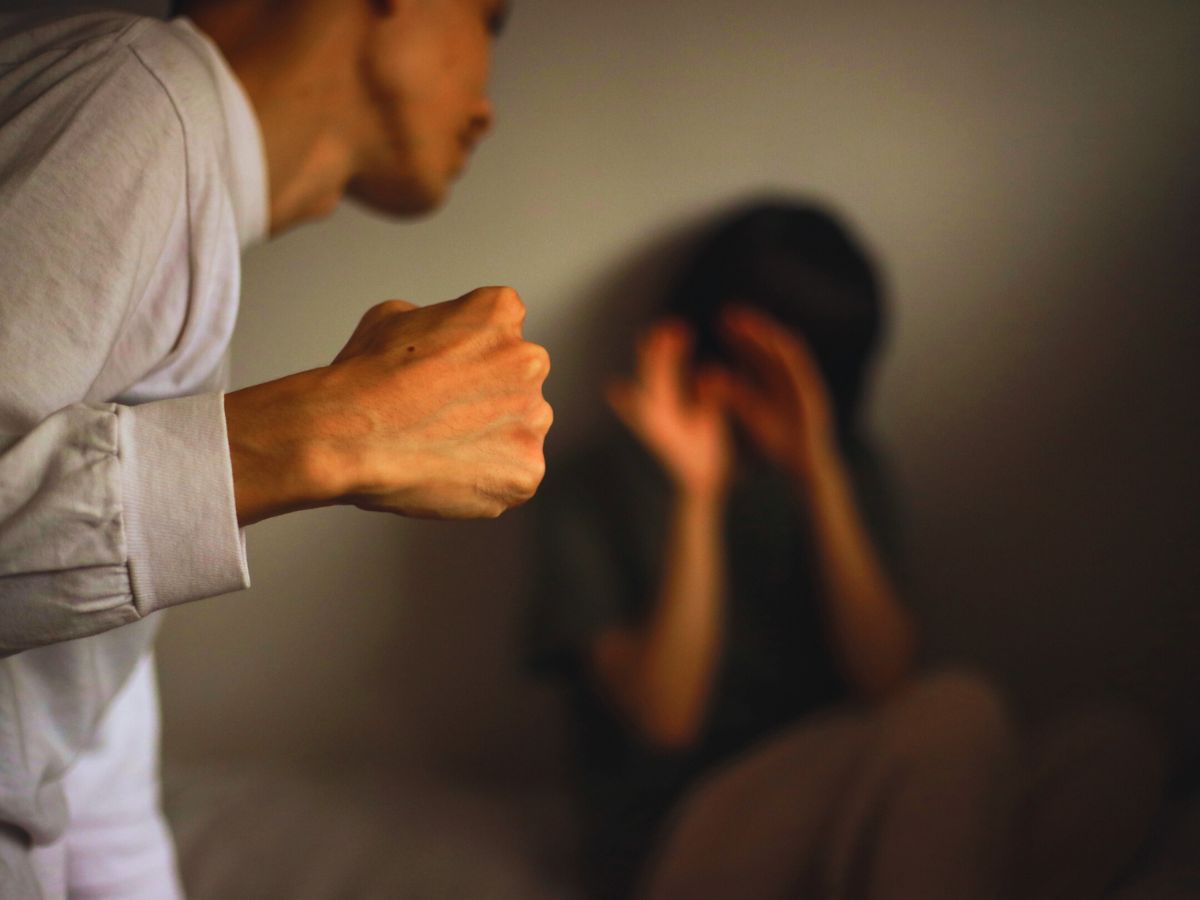

Intimate partner violence or IPV is one of the most prevalent but least recognised risks to women’s health in India. Generally viewed as a “domestic” or “private” concern, IPV actually has repercussions that are much larger and have “left its imprint on women’s physical, mental, sexual, and reproductive health” in much more dramatic ways than that.
With nearly one in three Indian women being affected by this scourge, it remains “a hidden reality” in today’s contemporary society.
What is Intimate Partner Violence
In addition, Intimate Partner Violence can be defined as a “prolonged abuse demonstrated by a current or past spouse or intimate partner. This type of violence encompasses more than mere “physical assault” but often involves “emotional, psychological, sexual, economic, and reproductive abuse.” Physical abuse can range “from slapping, hitting, kicking, choking, burning, to threatening with weapons.”
Nonphysical and psychological abuse involves being humiliated, intimidated, verbally assaulted, made to feel isolated from family and friends, and being under constant surveillance.
Non-physical sexual violence involves forced sexual intercourse, sexual coercion, and sexual contact by forced consent in the context of marriage and intimacy.
Reproductive coercion involves pregnancy coercion, forced abortion, and accessing reproductive health care.
These types of violence frequently interact and escalate over the years, entrenching women in cycles of fear, control, and need. Most importantly, however, IPV is not simply an event, but rather a chronic situation that develops over many years.
Why IPV is a Public Health Crisis
Internationally, evidence reveals that for women in South Asia, intimate partner violence is a risk factor for health problems even in excess of factors such as smoking, obesity, and consumption of alcohol. It is seldom considered a risk factor for health in India.
The impact is severe and long-term. Women subjected to IPV experience acute trauma but also suffer from chronic illness that persists even after healing of observable injuries.
IPV is associated with various medical conditions, such as chronic pain, gastrointestinal ailments, headaches, insomnia, gynecological problems, frequent infections, unplanned pregnancies, pregnancy loss, and STIs such as HIV.
Violence, as a result of prolonged stress, is closely associated with depression, anxiety disorders, PTSD, substance abuse, and suicidal tendencies. Many women present multiple times at health facilities complaining of non-specific physical complaints, while the actual reason, violence, is not identified.
The Extent of the Problem in India
The results from the National Family Health Survey (NFHS-5) carried out from 2019-2021 have brought forth the fact that 31.4 percent of women from India aged 18-49 have been subjected to physical as well as sexual violence from their husbands at least once in their lifetime.
Although this figure shows a slight improvement from previous surveys, it is not an accurate representation of the situation, according to experts, since most cases go unreported in fear of retaliation, social stigma, economic conditions, as well as the need to maintain family honour.
The data also portrays variations at the regional levels, with states such as Uttar Pradesh and Karnataka having higher prevalence rates, and some places such as Lakshadweep having lower levels. Lower rates do not mean lower incidence but are mostly measures of variations in the level of reporting, awareness, and accessibility to the support structures.
Reasons why IPV is underestimated or overlooked in international
IPV has been misunderstood in India for so many reasons, one of which is the normalization of violence in marriage.” Emotional violence, marital rape, and controlling practices are accepted as part and parcel of life in marriage, rather than recognised for what they are infringements on bodily autonomy and dignity.
There is so much patriarchy embedded in women’s silence, for which the responsibility for “adjustment” rests squarely on women’s shoulders.”
Economic dependence also further entangles women in violent partnerships. There is an observed linkage between the lack of economic resources and the increased frequency of IPV. Inability to make money also hinders women from escaping violent households.
Alcohol and substance abuse by spouses can also raise the intensity of violence in couples, especially when there is tension or during times of economic hardship.
Cultural issues are also very influential. The threat of ostracism, future security of children, stigma associated with divorce and/or separation, and family honor as perceived by the family are all costs associated with disclosures.
The culture in collectivist societies encourages women to carry the burden of abuse in the interest of family cohesion, even in the sacrifice of their own health and safety.
How IPV Destroys the Health of Women
While individual incidents of violence act as single events, intimate partner violence is a cumulative process. The persistent experience of fear and control keeps women under constant psychological stress, and this, in turn, results in hormonal imbalances, compromised immune systems, and susceptibility to chronic illness.
The experience of toxic stress, a consequence of chronic exposure to fear and control, has distinct physiological consequences, including accelerated disease and disability.
Many victims will actually appear before healthcare providers with symptoms of chronic pain, pelvic pathology, fatigue, GI illness, or psychiatric symptoms without the violence having been disclosed. This means that the healthcare system will address isolated symptoms without treating the root cause. IPV therefore operates as an invisible carrier of disease that quietly overpowers the bodies and healthcare system.
Legal Framework and Its Limitations
In India, there are provisions for combating domestic violence under section 498A of the Indian Penal Code and The Protection of Women from Domestic Violence Act, 2005. This recognizes physical, emotional, sexual, and economic abuse and provides for civil remedies like protection orders and residence orders.
However, some gaps still exist. Marital rape remains non-criminalised in Indian law. The rights of non-cohabiting women or victims of violence from former spouses are often left without adequate support from the law. The legal procedures are often sluggish, intimidating, and re-traumatising.
The Need for a Paradigm Shift
There is an urgent need for public health professionals to view intimate partner violence as preventable in India, rather than treating it as a matter for the social or criminal justice systems. This can be accomplished by carrying out regular screening for IPV, educating healthcare professionals on how to identify signs, increasing access for psychological counseling, and improving referrals, according to public health professionals.
Also, it is imperative to challenge the societal norms which promote violence. In order to break the stigma of abuse and encourage women to speak out, community outreach, knowledge, and gender-specific interventions are key.
A slow assault on women
Complacency in intimate partner violence stretches beyond just the bruising and the police complaint. “It is a slow and insidious attack on the health, the dignity, and the autonomy of those women.”
As long as the truth about intimate partner violence is not grasped as an “emergency in public health” in the Republic of India, the “million[s] of women” will have to “suffer in silence,” treated for their ailments but “denied safety.”
Sofia Babu Chacko is a journalist with over five years of experience covering Indian politics, crime, human rights, gender issues, and stories about marginalized communities. She believes that every voice matters, and journalism has a vital role to play in amplifying those voices. Sofia is committed to creating impact and shedding light on stories that truly matter. Beyond her work in the newsroom, she is also a music enthusiast who enjoys singing.




