

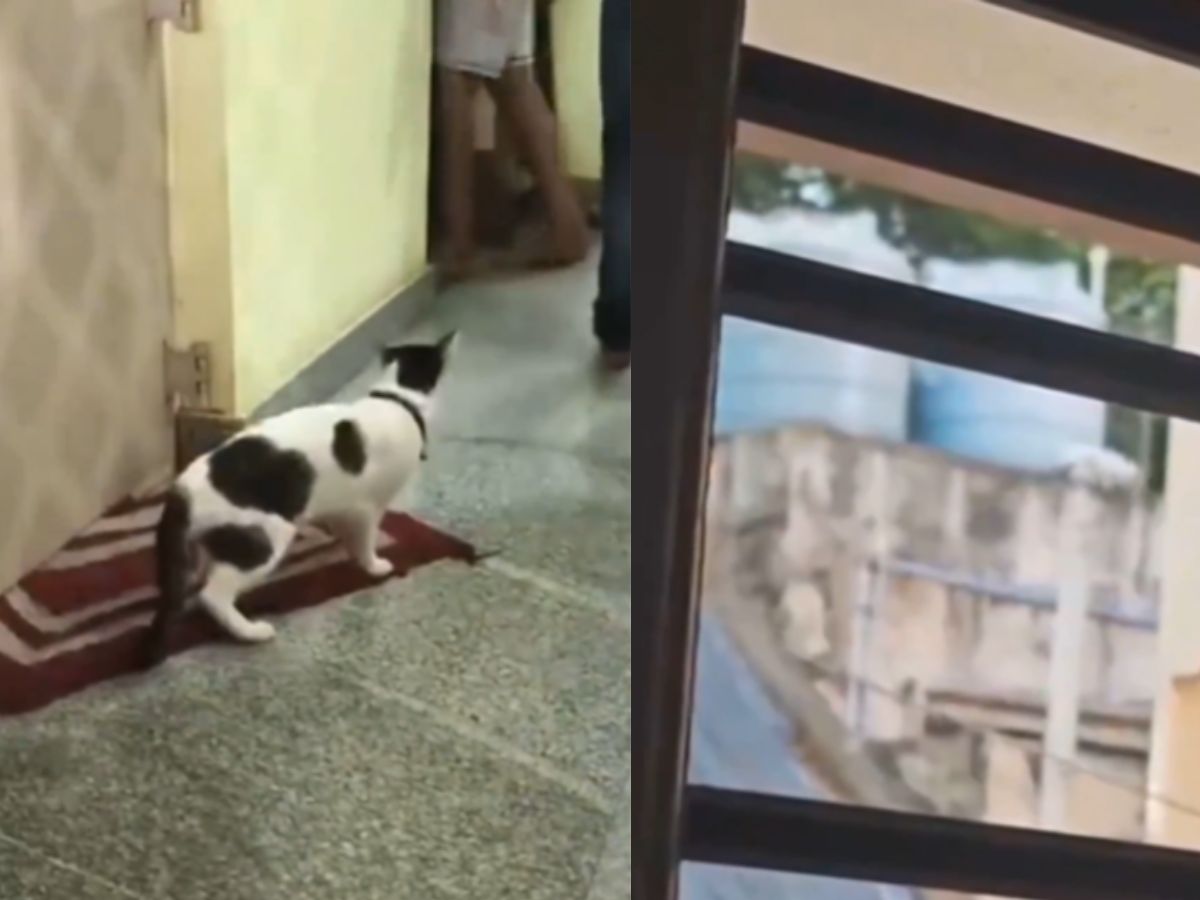
The urban development area of Bengaluru becomes challenging to understand because its tech parks and high-rise buildings block people from viewing street patterns. The dispute started when a person took their pet outside their home to use the bathroom on another person’s property. A neighborhood resident’s male cat successfully mated with a female cat belonging to their next-door neighbor, which led to the birth of four kittens. The situation began as a normal biological event but developed into an intense dispute when the female cat owners took their newborns to their neighbor’s residence.
Bengaluru Cat Dispute Escalates Over Kitten Responsibility, Police Step In to Resolve Ownership Clash
The father belonged to their neighbor, so they believed that their neighbor must take responsibility for raising his children. The male cat’s owners, however, flatly refused, which created a conflict that needed the Bengaluru Police to resolve.
BIZARRE CASE 🚨 In Bengaluru, A resident’s male cat impregnated a neighbour’s female cat.
The conflict erupted after four kittens were born.
The owners of the female cat took the newborns to their neighbour’s house 😳
FEMALE CAT OWNER : Hey, You own the “father cat” na, so… pic.twitter.com/WgvatQYbsk
— News Algebra (@NewsAlgebraIND) April 14, 2026
Feline Paternity Jurisprudence
The central conflict of this situation emerges from the clash between established community standards and current pet ownership practices. The residents of Bengaluru face challenges with pet responsibility because their city has a fast-paced lifestyle and restricted living space. The female cat owners requested that the “father’s” family assume complete responsibility for their cat because they wanted to use human child support regulations to determine pet care duties.
Feline Paternity Dispute Highlights Pet Ownership Awareness Gap and Escalating Urban Conflicts
The feline paternity dispute demonstrates a major problem because city residents lack basic knowledge about their pets. The intense emotions of the situation created a deadlock between both sides, which resulted in their disagreement over the fate of the newborns. Police officers who acted as unplanned mediators required them to manage domestic territory disputes by guiding discussions from accusations towards protecting animal safety.
Communal Rearing Resolutions
The outcome of the “Bengaluru Kitten Crisis” demonstrates a method for solving neighborhood disputes. The families experienced a change in their unyielding behavior because they needed to work with the authorities. The police recommended a neutral solution that required both groups to decline any long-term obligations they were not ready to accept. The neutral party moved the kittens to a third-party location that provided them necessary medical treatment without needing to deal with their parents’ owners’ ongoing conflict.
Pet Care and Sharing Responsibility in Cities Like Bengaluru Helps Solve Animal Disputes Peacefully
The situation demonstrates how shared pet ownership needs to function in urban spaces with high population density. The community-based adoption framework established who was responsible for the situation, instead of identifying the person who had caused the problem. The lighthearted nature of the work serves as a deep emotional reminder that Bengaluru residents should use mediation to create middle ground solutions that protect their tiniest canine companions.
Bhumi Vashisht is a passionate media graduate and emerging voice in digital journalism, currently working with NewsX as an Entertainment and Viral Content Writer for the past 10 months. With a strong understanding of trending digital culture, celebrity news, and audience engagement, she specializes in crafting compelling entertainment stories and viral content that resonate with modern readers. Known for her creative storytelling approach and sharp eye for trends, Bhumi brings fresh perspectives and strategic content ideas to the fast-paced media industry.





