

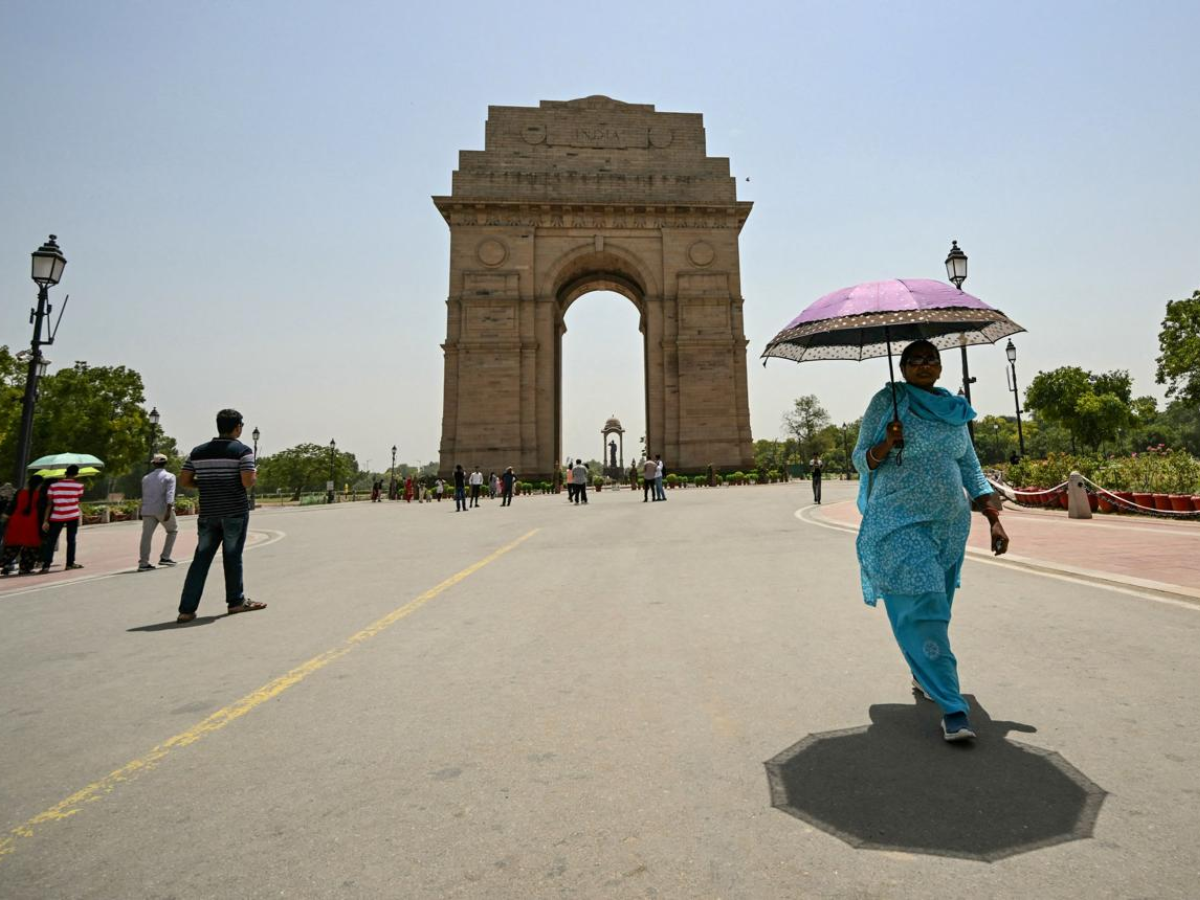
According to data shared by the Centre for Holistic Development, at least 157 people died due to the scorching monsoon heatwave in Delhi in May 2026 alone. The deaths were of unidentified people and homeless people. The city has witnessed early summer heatwaves over the last few years, affecting seriously, particularly out of sight people. A field audit, conducted outside the gates of hospitals and in public places, supports the finding that nearly all the patient attendants and homeless people surveyed were suffering from heat-related illnesses.
In-depth Field Audit Shows Unsettling Ground Realities
The audit indicates that 100% of the attendants of the patients and the people outside the hospital gates suffered from heat stress or related illnesses. The most disconcerting fact is that about 97% of the people surveyed, evidently showing symptoms of heat-related illness, received no medical care.
This highlights the wide gap in health emergency responses even for those people outside the health coverage, under which they suffer incredibly and stressfully during peak monsoon heatwaves.
Who Is Most At Risk During Extreme Heat?
Health experts say certain groups are at far higher risk of heatstroke during extreme heat. Those groups are:
- The homeless who have no shelter
- The elderly who live alone
- Daily wage earners who spend long hours outside in the sun
- People with pre-existing health conditions
- Children in homes with overcrowding problems or poor ventilation
How To Stay Safe During A Heatwave
A few simple precautions will drastically reduce the chances of heatstroke and dehydration:
- Drink water even if you don’t feel thirsty. Don’t drink alcohol or caffeinated drinks.
- Avoid going outside from midday till mid-afternoon, the hottest hours of the day. If you must, stay under shade or in a place that provides cover.
- Wear light-coloured shorts and loose cotton clothing.
- Cover your head and face with a cap, umbrella, or cloth to shield them from direct exposure.
- Ventilate rooms or keep them cool with a fan or damp cloths.
- If you start feeling dizzy, have a headache, feel nauseous, or are sweating excessively, seek medical attention at the earliest.
A Growing Climate Challenge For The Capital
The rise in heat deaths in Delhi signals a need for stronger public health response systems and greater protection for vulnerable communities. With heatwaves becoming more frequent and intense, preparedness and awareness play a pivotal role in preventing avoidable deaths.
(Inputs Via Centre for Holistic Development – CHD)





