
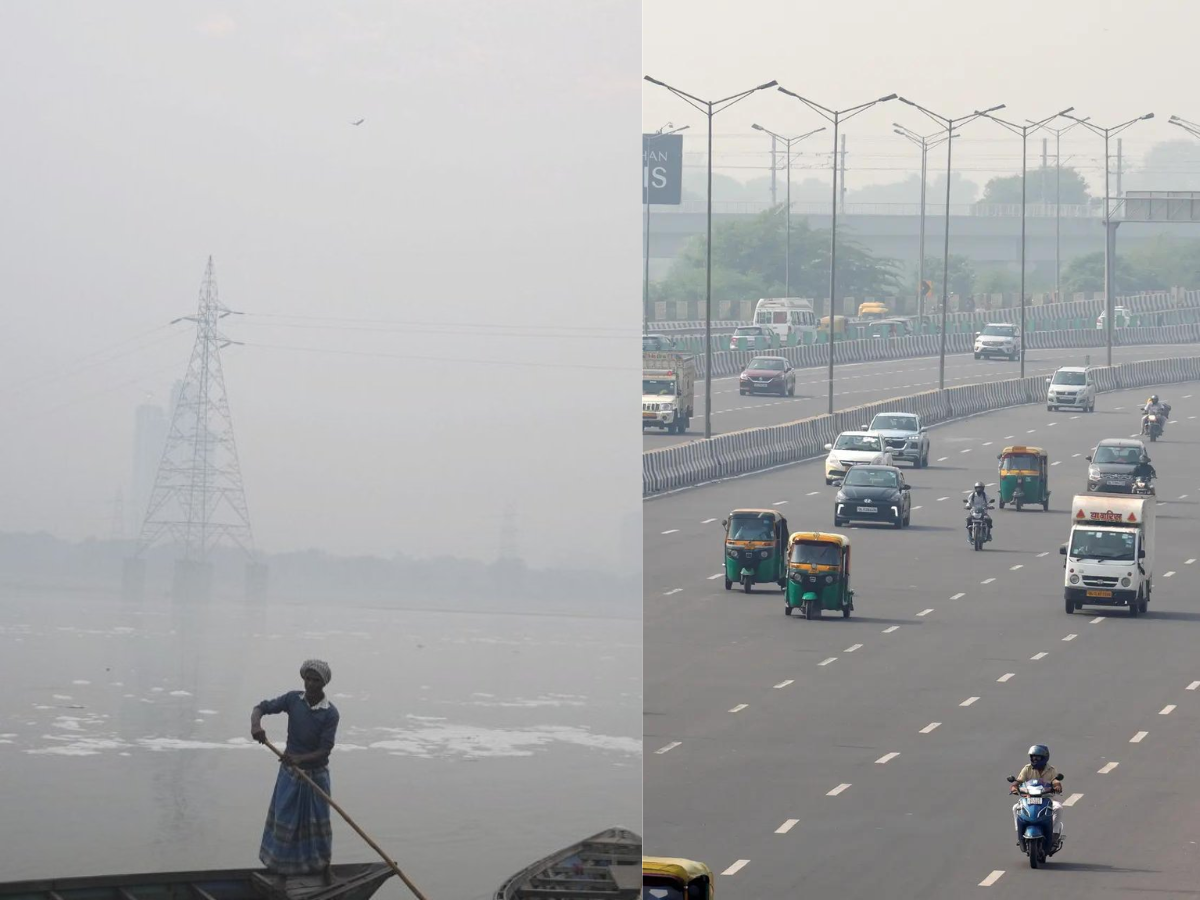

As the air quality in Delhi NCR gets worsened and hence the residents are breathing toxic air post diwali. It is said that this is the most toxic air in five years. It must be known that according to the data by Central Pollution Control Board (CPCB) – despite 77.5% fall in stubble burning incidents in Punjab and Haryana, the air quality collapsed. Hence the residents of Delhi NCR are presently breathing the most dangerous air and fire crackers ARE TO BE BLAMED.
Environmental groups analysed CPCB data and found that PM2.5 concentrations reached an average of 488 micrograms per cubic metre within 24 hours of Diwali. This marked a 212 percent jump from pre-festival levels and was nearly 100 times higher than the World Health Organisation’s safe limit.
Firecracker Ban Violations Drive Air Quality Crisis
The Air Quality Index (AQI) touched the “Severe” category in many parts of Delhi as residents ignored the Supreme Court’s two-hour limit on bursting “green crackers.”
Reports showed widespread and unchecked use of banned firecrackers. Experts from SAFAR estimated that emissions from firecrackers alone contributed nearly 40 percent of the city’s total pollution load on Diwali night. The sharp increase in PM2.5 levels directly corresponded with the period of intense firework activity, showing that violations played a major role in worsening air quality.
Weather conditions worsened the pollution by preventing the smoke from dispersing. Wind speeds dropped below one metre per second, and a fall in temperature created an inversion layer that trapped pollutants close to the ground.
This led to dense smog across several parts of the capital. The sharp drop in farm fires earlier in October had shown signs of improved air quality, but the Diwali emissions reversed those gains. Experts observed that even without stubble burning, Delhi’s own emissions can create severe air pollution during the festival.
Health Experts Warn of Severe Respiratory Risks
Doctors warned that exposure to Delhi’s post-Diwali air was equivalent to smoking several cigarettes a day. Medical professionals reported an increase in respiratory distress cases and advised residents, especially children and the elderly, to remain indoors.
Swastika Sruti is a Senior Sub Editor at NewsX Digital with 5 years of experience shaping stories that matter. She loves tracking politics- national and global trends, and never misses a chance to dig deeper into policies and developments. Passionate about what’s happening around us, she brings sharp insight and clarity to every piece she works on. When not curating news, she’s busy exploring what’s next in the world of public interest. You can reach her at [swastika.newsx@gmail.com]




