
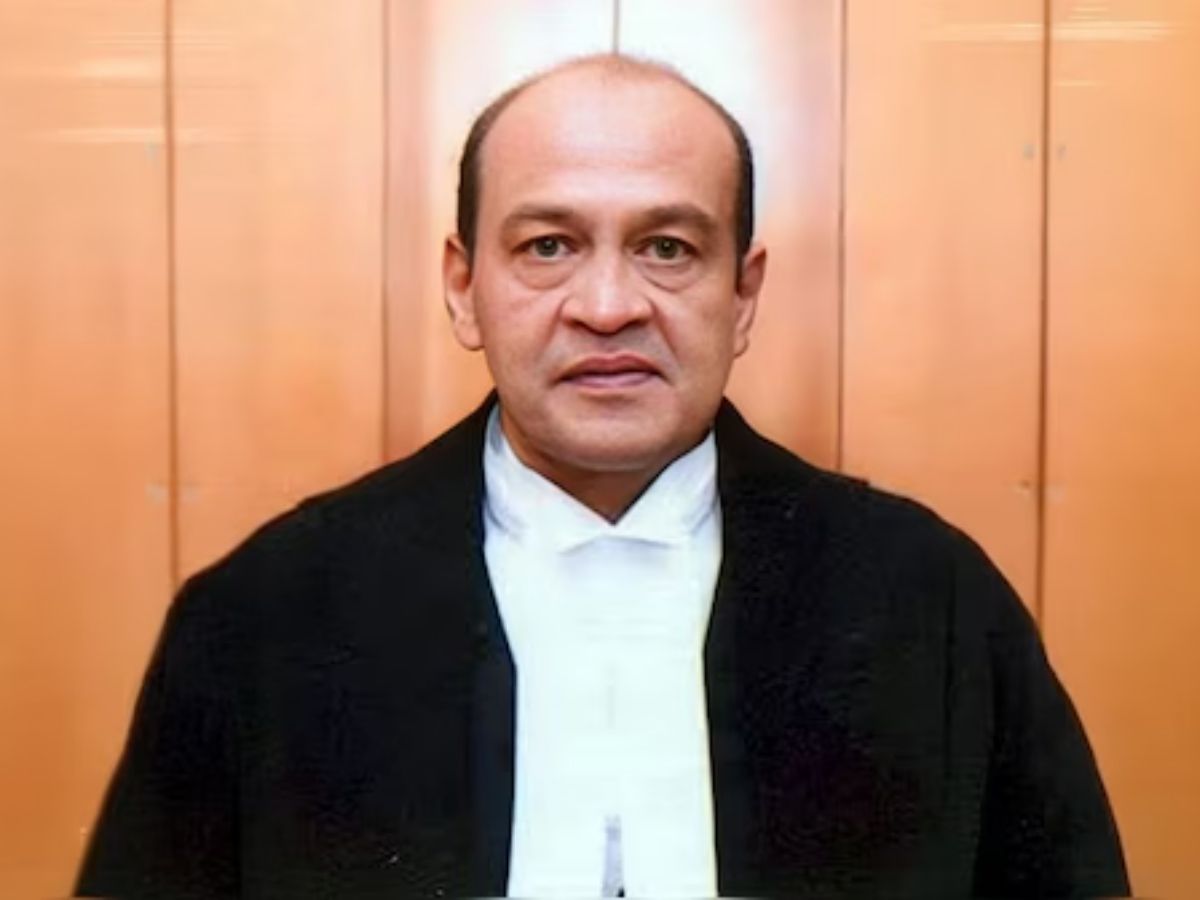

A three-judge panel investigating the accidental fire on March 14, 2025, at the official residence of then-Delhi High Court Judge Justice Yashwant Varma has strongly recommended proceedings for his removal. The 64-page report concludes that large sums of cash were stored and then removed from the judge’s premises, actions it says amount to serious misconduct and breach of public trust.
Fire Incident and Investigation Setup
At around 11:35 pm on March 14, a fire broke out at 30 Tughlaq Crescent, New Delhi, where Justice Varma and his family lived. Over ten days, the probe team comprising Chief Justices Sheel Nagu and GS Sandhawalia, and Justice Anu Sivaraman conducted multiple sittings, collected statements from 55 witnesses, examined evidence, and visited the scene.
All statements were shared with Justice Varma for fairness, and were video recorded to authenticate their accuracy at a later stage.
Panel’s Findings on Cash Discovery and Removal
In its final paragraphs, the report states:
-
Cash was found in the storeroom of Justice Varma’s residence.
-
Access to this storeroom was controlled by Varma and his family, with no unauthorized entries.
-
Strong inferential evidence indicates the half-burnt notes were removed during the early hours of March 15, after the fire, by individuals in the household’s inner circle.
-
Witnesses confirmed seeing stacks of Rs. 500 notes strewn across the storeroom floor.
One witness recounted: “I noticed a large pile of cash only of Rs. 500 denomination lying on the floor… I was shocked and surprised such large amount of cash… which I saw for the first time.”
Cash spotting by 10 witnesses, coupled with electronic data and video, convinced the panel the money existed and couldn’t be casually forgotten in the blaze.
The probe addressed three critical questions:
-
Was burnt currency found? Yes, both eye-witness and electronic proof confirm this.
-
Is the storeroom inside the judge’s official premises? Yes, controlled access and security guard testimony confirm it.
-
Could Justice Varma explain the money’s presence? No, he failed to provide any plausible account beyond outright denial and conspiracy claims.
Having established these facts, the panel said the judge had to explain the cash’s presence or face serious consequences. He did neither.
Suspected Removal of Cash During Early Hours
Evidence suggests that staff members Rahil/Hanuman Parshad Sharma and Private Secretary Rajinder Singh Karki removed burnt notes shortly after fire crews left. Their testimonies were inconsistent, and video and electronic data indicate suspicious activity.
The panel noted that Justice Varma or his family made no effort to inform police, preserve CCTV evidence, or promptly report the cash presence even after being informed about videos showing burnt money on March 17. This silence, combined with staff activity, deepened suspicions.
Security Denial of Unauthorized Entry
Security guards confirmed that the storeroom was locked before the fire and entry required permission. CRPF personnel who aided breaking in during the blaze supported this. Domestic staff corroborated that the room was typically locked. Therefore, the panel found it “well nigh impossible” for outsiders to have planted the money.
Audio Evidence Adds Weight to Findings
One standout element: a video featuring voice of fire officer Manoj Mehlawat saying in Hindi, “Mahatma Gandhi me aag lag rahi hai”, referencing Rs. 500 notes. This underscored the discovery of currency burning beyond doubt.
Reporting on Judicial Integrity Standards
The probe referred to the 1997 Supreme Court’s “Restatement of Values of Judicial Life”, which emphasizes probity integrity as the cornerstone of judicial conduct. Any violation risked public trust in the judiciary, a value the report concludes was shaken by this incident.
Impeachment Recommendation
The panel found the evidence “serious enough to call for initiation of proceedings for removal of Justice Yashwant Varma.” The judge failed all three criteria objectively examined, according to the report. The Chief Justice of India’s March 22 letter, calling for review, was vindicated by the panel’s findings.
Justice Varma’s Response
Justice Varma submitted a 101-page written response online. He objected to the framing of the questions, arguing that the report presumed his guilt and forced him to disprove allegations. He claimed investigation spared him a fair opportunity, and that he was a victim of a conspiracy.
He did not, however, offer a credible explanation of the cash or why no formal complaint was filed.
Currently transferred to Allahabad High Court, he has no judicial duties, has not resigned, and calls the probe “fundamentally unjust.”
Probe Gaps, but Public Trust at Stake
The panel stressed the high public expectations placed on a superior court judge. Their finding: even the appearance of impropriety was enough to erode public trust and required strict accountability.
Implications for the Judiciary
This scandal fuelled by inflated amounts of cash, suspicious concealment, removal of evidence, and a perceived cover-up raises alarm about internal oversight and transparency. It follows earlier incidents of misconduct investigations in the judiciary, igniting demands for stricter codes of conduct.
The panel places hard questions before the collegium system, suggesting that beyond legal outcomes, judicial reputation has taken a blow today.
What Happens Next
The panel urges immediate initiation of impeachment proceedings in Parliament. This involves formal charges, debates, and a vote requiring a two-thirds majority in both houses to remove Justice Varma.
This report may serve as precedent; any failure to act could invite public backlash. Meanwhile, Justice Varma’s legal team is expected to challenge the committee’s conclusions, arguing procedural unfairness and contesting evidence.
After a comprehensive 10-day probe the first of its kind in decades the committee has laid bare damning evidence involving illicit cash and suspected removal during a fire at a sitting judge’s official residence. It has recommended the rare step of impeachment, citing moral and constitutional duty.




