

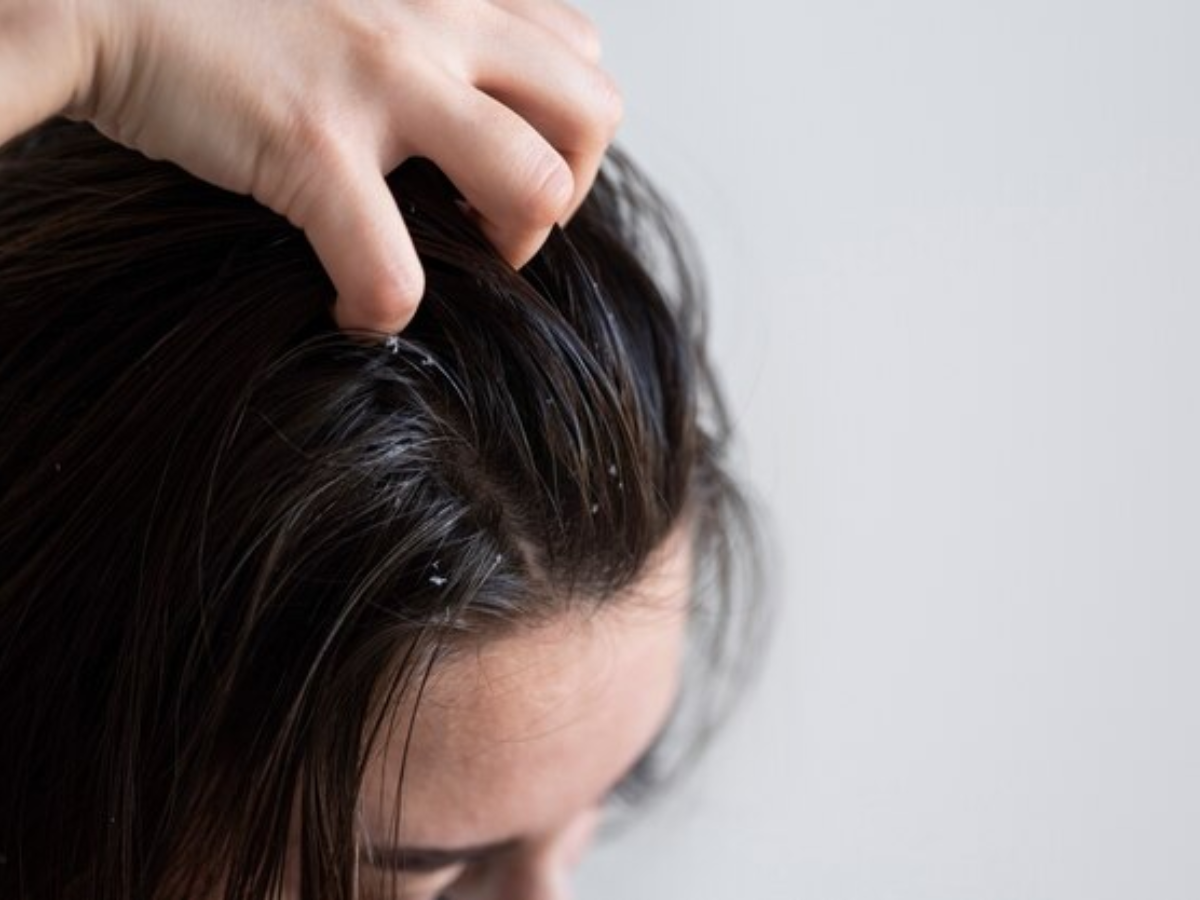
The summer months are just around the corner. As temperatures begin to rise and humidity levels climb, you may have noticed that your scalp starts to feel oilier, itchier, and more uncomfortable. Many people assume dandruff is only a winter problem linked to dryness. In reality, the summer heat and humidity can often make dandruff worse. Firstly, it is important to identify and understand your scalp type. For individuals with a drier scalp, dandruff may appear as fine, powdery flakes that shed easily. In contrast, those with oilier scalps may experience a stickier, itchier form, where flakes tend to clump together, adhere to the scalp, and sometimes even stick to the nails when scratched. The presentation may vary, but the underlying trigger is often similar.
At the core of dandruff is the overgrowth of a naturally occurring fungus called Malassezia Globosa. Under normal conditions, this microorganism lives harmlessly on the scalp. However, in hot and humid weather, increased sweat and oil production create an ideal environment for it to multiply rapidly.
When Malassezia breaks down excess sebum, it releases by-products that irritate the scalp barrier. This irritation leads to itching, inflammation, and visible flakes. So while flakes are the most noticeable sign, the real issue lies deeper at the microbial level.
One of the biggest misconceptions about dandruff is that it is a one-time problem that can be washed away. Many people switch shampoos frequently or use products that simply remove visible flakes. The flakes may temporarily reduce, but if the fungal overgrowth is not addressed, dandruff often returns.
That is why it is important to understand how we choose the right anti-dandruff shampoo. Instead of focusing only on flake removal, we need to ask whether the product targets the root cause. Are the active ingredients scientifically proven to control fungal growth? Are we using a particular anti-dandruff shampoo consistently, with every wash?
Not all anti-dandruff ingredients work in the same way. Some primarily exfoliate the scalp, while others actively inhibit fungal proliferation. For long-term control, ingredients that directly target Malassezia are essential.
Piroctone Olamine is one such ingredient. It works by disrupting fungal cell function and limiting overgrowth on the scalp. At the same time, it is designed to be gentle enough for regular use. In summer, when the scalp is already exposed to sweat, pollution and environmental stressors, maintaining the balance is especially important. An ingredient that targets the fungus without excessively stripping helps reduce recurrence.
However, even the most effective formulation requires correct usage. Dandruff is a recurring scalp condition, which means the treatment should not stop as soon as you see the flakes disappear. Regular and consistent washing with an effective anti-dandruff shampoo with Piroctine Olamine is key to maintaining control.
There are also simple hygiene practices that support scalp health during summer as shared by Dr. Priyanka Reddy, Founder and chief dermatologist, DNA Skin Clinics.
• Bathe regularly with an anti-dandruff shampoo so as to get rid of the scalp build up and fungus, that could be one of the reasons for dandruff. But be careful not to overwash your hair.
• Reduce sugar, refined carbs, and junk food that increase oil production
• Avoid excess coffee, alcohol, and very spicy foods
• Include omega-3 rich foods like flaxseeds, walnuts, and fatty fish
• Add probiotics like fermented foods for gut health
• Stay well hydrated to regulate scalp and skin balance
• Wash scalp regularly, especially after sweating or workout
• Avoid keeping sweat, oil, or dirt on the scalp for long durations
• Manage stress and ensure adequate sleep to prevent flare-ups
• Limit use of heavy oils, styling products, and greasy hair products
• Ensure adequate intake of zinc, B vitamins, and iron through diet
• Wear loose clothes which are of cooling fabrics, like cotton. Also avoid wearing tight caps which can trap heat on your scalp, leading to an itchy scalp.
• Maintain a healthy weight, as this can contribute to excessive heat build-up in your system.
• Cover your head when moving about in the sun, as this protects you from developing an itchy scalp in summer.
• Keep a track of when you sweat excessively to identify what triggers it
Summer heat may intensify dandruff, but it does not have to define your scalp health. With the right diagnosis, scientifically backed ingredients like Piroctone Olamine, and consistent care, dandruff can be effectively managed. Think of flakes not as a cosmetic inconvenience, but as a signal from your scalp. When you consistently address the root cause rather than just the visible symptoms, a cleaner, healthier and dandruff-free scalp can be maintained in every season.
Olivia Sarkar is a Senior Content Producer on the Entertainment and Lifestyle desk with 6 years of experience. In 6 years, she worked with ANI, IANS, Zee News. Known for covering trends and engaging storytelling, she covers a wide spectrum of topics including entertainment news, fashion, fitness, health, food, travel, astrology. From major film announcements to industry controversies. Throughout her career, she has interviewed several notable personalities such as Femina Miss India World 2022 Sini Shetty, Miss World 2024 USA contestant Victoria DiSorbo, Miss France 2020 Clémence Botino.Her interview portfolio also includes celebrities like Milind Soman, Tiger Shroff, and Vikrant Massey, along with acclaimed singers Shubha Mudgal and Padma Shri awardee Dr. Jaspinder Narula. Beyond work, Olivia enjoys exploring new food joints, being wanderlust, and writing poetry. You can reach her out on X: @OliviaSarkar11