
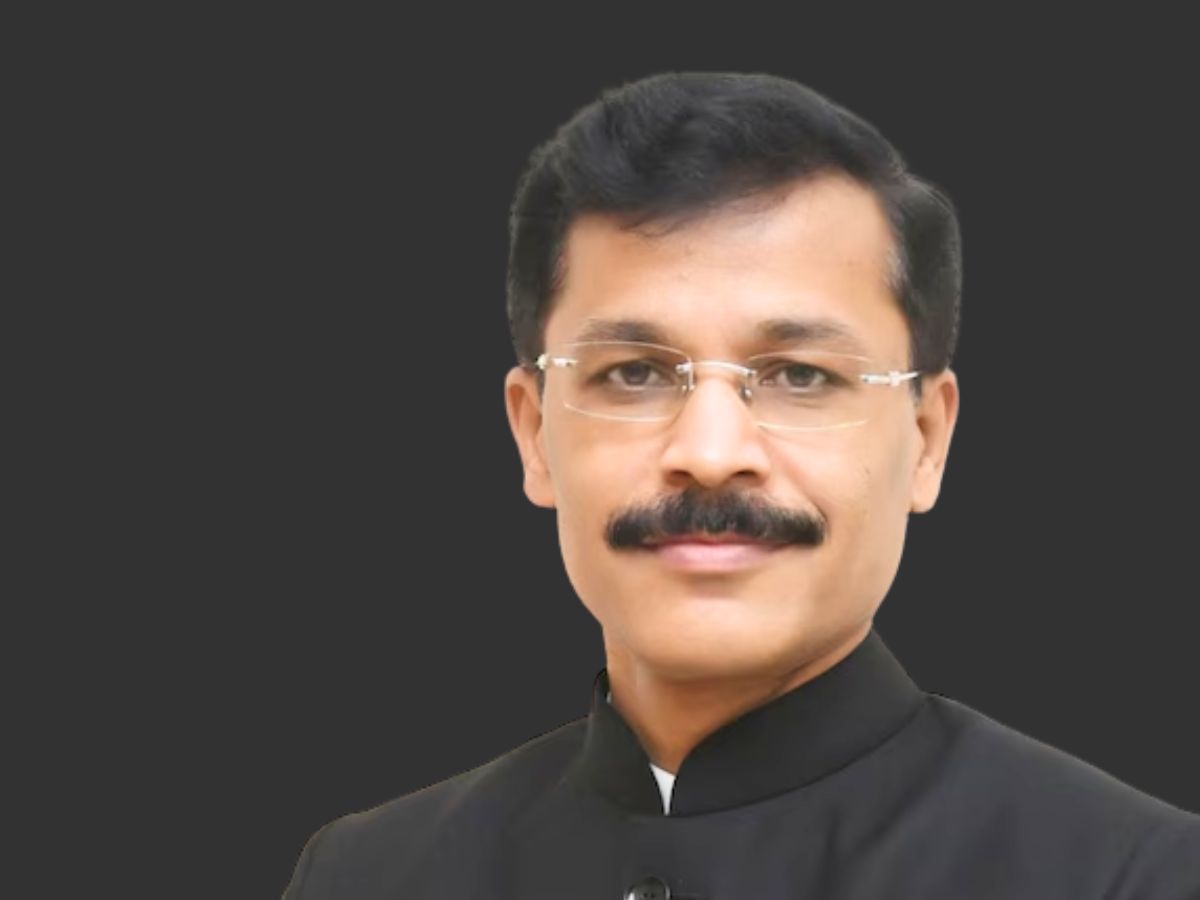

Honesty is often hailed as the best policy, but for some civil servants, integrity comes with a cost. One such example is IAS officer Tukaram Mundhe, whose career has been marked by 23 transfers in just 19 years a journey that mirrors the story of well-known IAS officer Ashok Khemka. Despite repeated administrative reshuffles, Mundhe continues to stand firm on principles, making him one of Maharashtra’s most respected yet controversial bureaucrats.
Who Is IAS Officer Tukaram Mundhe?
Born on June 3, 1975, in Tadsona village in Beed district, Maharashtra, Tukaram Mundhe comes from a humble rural background. He completed his early education in a Zilla Parishad school and later studied in Aurangabad, obtaining a Bachelor’s degree in History and a Master’s in Political Science. He belongs to the Vanjari community (OBC) in the state.
A 2005-batch IAS officer, Mundhe is known for his sharp administrative skills, strong ethics and fearless commitment to transparency.
Transferred 23 Times in 19 Years
In a recent bureaucratic reshuffle announced on Tuesday, the Maharashtra government transferred five IAS officers, including Mundhe. He was moved from his role as Development Commissioner (Unorganized Labour), Mumbai, to Secretary, Divyang Kalyan Department, Mantralaya, Mumbai.
For most officers, transfers occur every 2 to 2.5 years, but that has rarely been the case for Mundhe. His frequent reassignments reflect conflicts arising from his strict governance style and unwillingness to tolerate political pressure.
Why Is Mundhe Compared to Ashok Khemka?
Like Haryana IAS officer Ashok Khemka, who is known for being transferred over 50 times due to his anti-corruption stance, Tukaram Mundhe has built a similar reputation in Maharashtra. Both officers have faced backlash for exposing irregularities and taking tough administrative decisions without bending under political influence.
Their stories highlight the challenges faced by honest officers who refuse to compromise.
A Strong Administrator With an Uncompromising Work Ethic
Mundhe first gained public attention during his tenure in Solapur, where he launched aggressive crackdowns on illegal liquor businesses. He later took on the sand mafia, led anti-corruption drives, and pushed for transparency in civic systems.
While his efforts earned widespread praise from the public and media, they also created friction with politicians and certain administrative groups believed to be the driving force behind his repeated transfers.
Awards and Recognition
Despite obstacles, Mundhe has earned multiple accolades, including:
-
Best Collector Award
-
Waterman of Maharashtra
-
Nickname: “The Man of a Mission”
His commitment to reforms and community-focused projects has made him a respected figure among citizens.
A Symbol of Integrity in Public Service
For many young aspirants and citizens, Tukaram Mundhe represents a rare example of resilience in governance. His story raises a crucial question: Why should an officer dedicated to honest administration face such instability?
Yet, despite 23 transfers, his message remains unchanged duty above compromise.
Tukaram Mundhe’s journey reflects the complexities faced by honest civil servants in India. While political pressures and conflicts may continue to shift his posting, his character remains steadfast. Like Ashok Khemka, Mundhe proves that even in a system fraught with challenges, integrity can survive and inspire.
ALSO READ: From Radio To Reels: How Podcasts Became India’s Fastest-Growing Trend
Sofia Babu Chacko is a journalist with over five years of experience covering Indian politics, crime, human rights, gender issues, and stories about marginalized communities. She believes that every voice matters, and journalism has a vital role to play in amplifying those voices. Sofia is committed to creating impact and shedding light on stories that truly matter. Beyond her work in the newsroom, she is also a music enthusiast who enjoys singing.




