
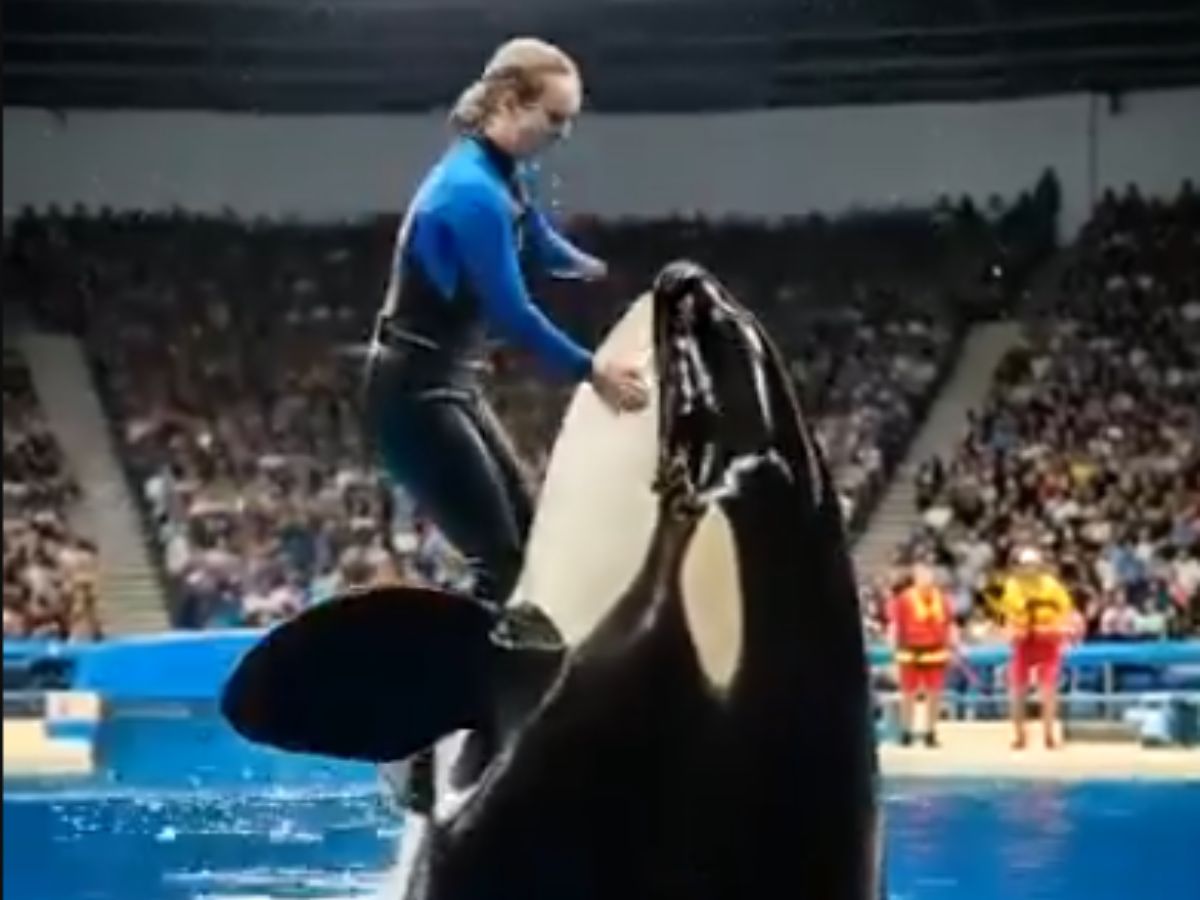

Another online video that has gone viral purports to depict the death of marine trainer Jessica Radcliffe killed by an orca during a live show. The video depicts a bloody scene in a marine park in which the orca is alleged to have attacked a woman in the presence of a crowd, and this condition generates much fear and anger in the social media.
No Record of Jessica Radcliffe or the Incident
Investigations by fact-checkers, including the International Business Times (IBT), found no evidence supporting the story. There are no official reports and credible sources that the existence of Radcliffe or any orca attack took place at Pacific Blue Marine Park. Vocal Media also established that her name was not found in employment records or in the public marine databases.
It was further examined that the video was a hoax. It employed artificial intelligence voiceovers to idle archive footage, which analysts noted to give an appearance of reality in the story. Other versions added even the allegations that menstrual blood in the water stimulated the orca, but the claims cannot be scientifically justified, experts say.
How the Hoax Borrowed from Real Tragedies
Experts indicate that the hoax incorporated some real orca events to become realistic. In 2010, SeaWorld trainer Dawn Brancheau was fatally killed by an orca in Florida and in 2009, Spanish trainer Alexis Mart nez was killed in a similar incident at Tenerife. Both the incidents were well covered and they were also the subject of documentaries such as Blackfish.
The viral video seems to be produced in a way that it exploits the audience that is aware of these historical tragedies. According to IBT, these are typical of misinformation on the internet where bogus stories include familiar real-life events to make the story more acceptable and emotionally appealing.
I have jessica radcliffe video orca, jessica radcliffe orca attack video, video jessica accident orque!!
6 minutes video 👇 https://t.co/4DBCKycyxT pic.twitter.com/PgXYavYSgp— Burhan Khizer (@MeerKp20450) August 11, 2025
Why False Stories Spread Easily
IBT cites research published in the journal PLOS One that describes the reasons why hoaxes such as the one about Jessica Radcliffe spread. False claims usually use plausible information or resemble events that people are accustomed to, deceiving the audience into thinking that they are watching something real. During such crises as the COVID-19 pandemic, such tactics were typical in order to legitimize misinformation.
A research done by the Columbia Journalism Review known as Lies, Damn Lies, and Viral Content has indicated that news organisations can be promoting false narratives without even realising it. The study indicated that journalists tend to cover new stories without checking them and they add to previous unconfirmed news, a trend that leads to quick dissemination of hoaxes in the internet.
The Viral Orca Attack is Fictional
The Jessica Radcliffe viral video is the fake video although it appears to be so. There is no trainer of that name in the marine business and there are no confirmed accounts of such an orca attack. These sensational articles are typical so as to attract attention, and make people click, as professionals warn; we need to check the facts before we post viral videos.
ALSO READ: 66 Years On, Melting Antarctic Glacier Reveals Remains of British Researcher Missing Since 1959




