
Your Back Pain May Never Go Away If You Don’t Stop These 6 Everyday Habits Right Now
Back pain often becomes chronic due to everyday habits such as poor posture, prolonged sitting, improper lifting, unhealthy sleeping positions, lack of physical activity, and unsupportive footwear. Correcting these habits can significantly reduce or prevent back pain, supporting long-term spinal health and overall well-being.

Bad Sitting Posture
Slumped over or hunched over while sitting, you are pulling on your spinal muscles and ligaments which can lead to chronic pain down the road. Sitting comfortably and upright will help you retain the health of your back.

Sitting Too Long
Sitting in a chair for hours without moving compresses your spinal discs, restricts circulation and weakens the muscles that support the spine; increasing the likelihood and severity of chronic back pain.

Bad Lifting Techniques
Bending at your waist or using your back instead of your legs to lift can put you in an unsafe position of instant injury and can lead to chronic issues which contribute to greater painful problems related to spinal compression and degeneration.

Unhealthy Sleeping Positions
Most people sleep on their back, side or stomach; sleeping on your stomach every night or a mattress that does not properly support your body will lead to spinal misalignments, tightness and perhaps even chronic pain in your back when you first wake up, and when laying down to go to sleep.

Inactivity
By being sedentary, you are not just weakening the back and core muscles that support your spine; you are also reducing flexibility around joints. The more inactive you are, the higher your risk of an injury to your spine, stiffness, and risk of developing chronic pain.
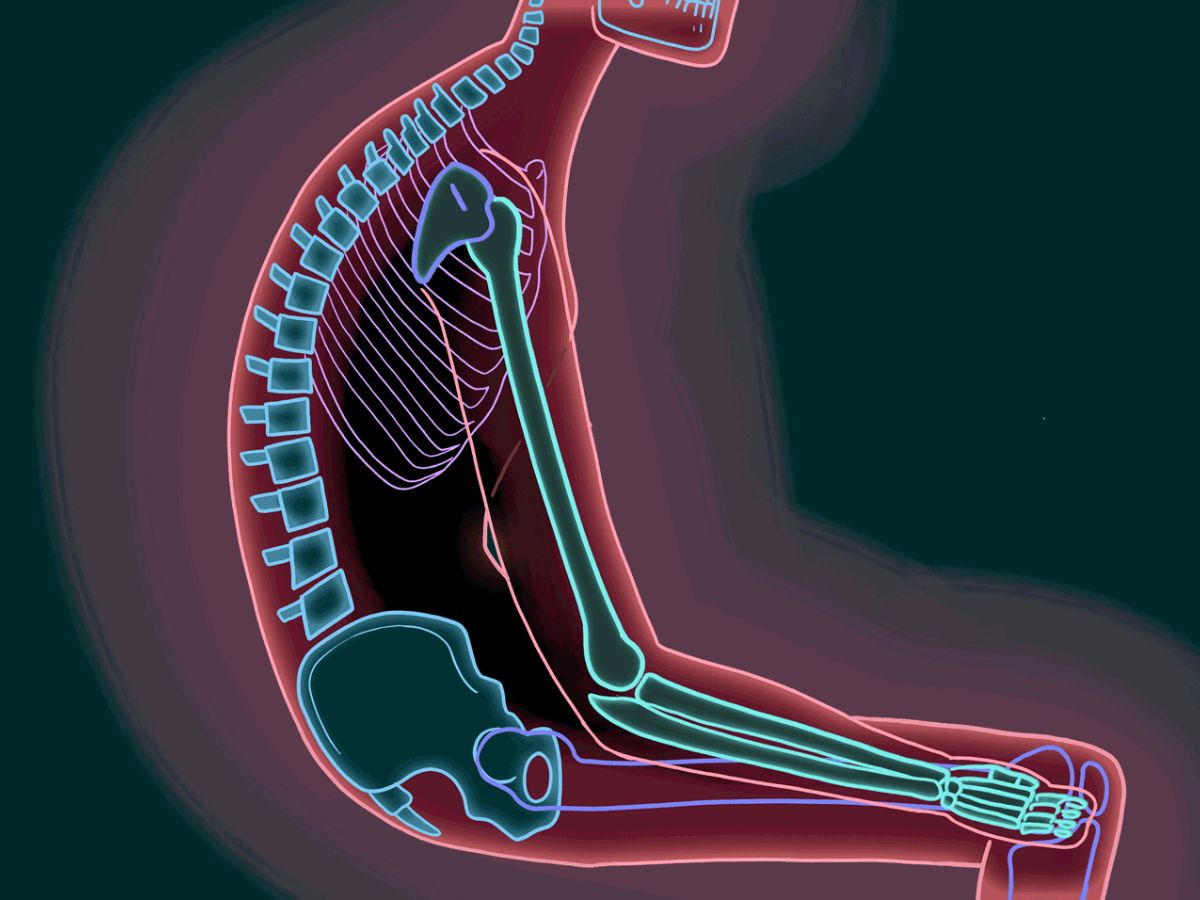
Wearing Unsupportive Shoes
If you wear shoes without support consistently (such as flats or high heels), over time, you may alter your posture and body's spinal alignment which could be contributing to your back pain.

Disclaimer
This information is for educational purposes only and does not constitute medical advice. If you experience persistent or severe back pain, consult a qualified healthcare professional for proper diagnosis and treatment. Individual needs may vary.




