
Beyond The Moon And Mars: India’s Most Exciting 5 Upcoming Space Missions You Probably Didn’t Know About | In PHOTOS
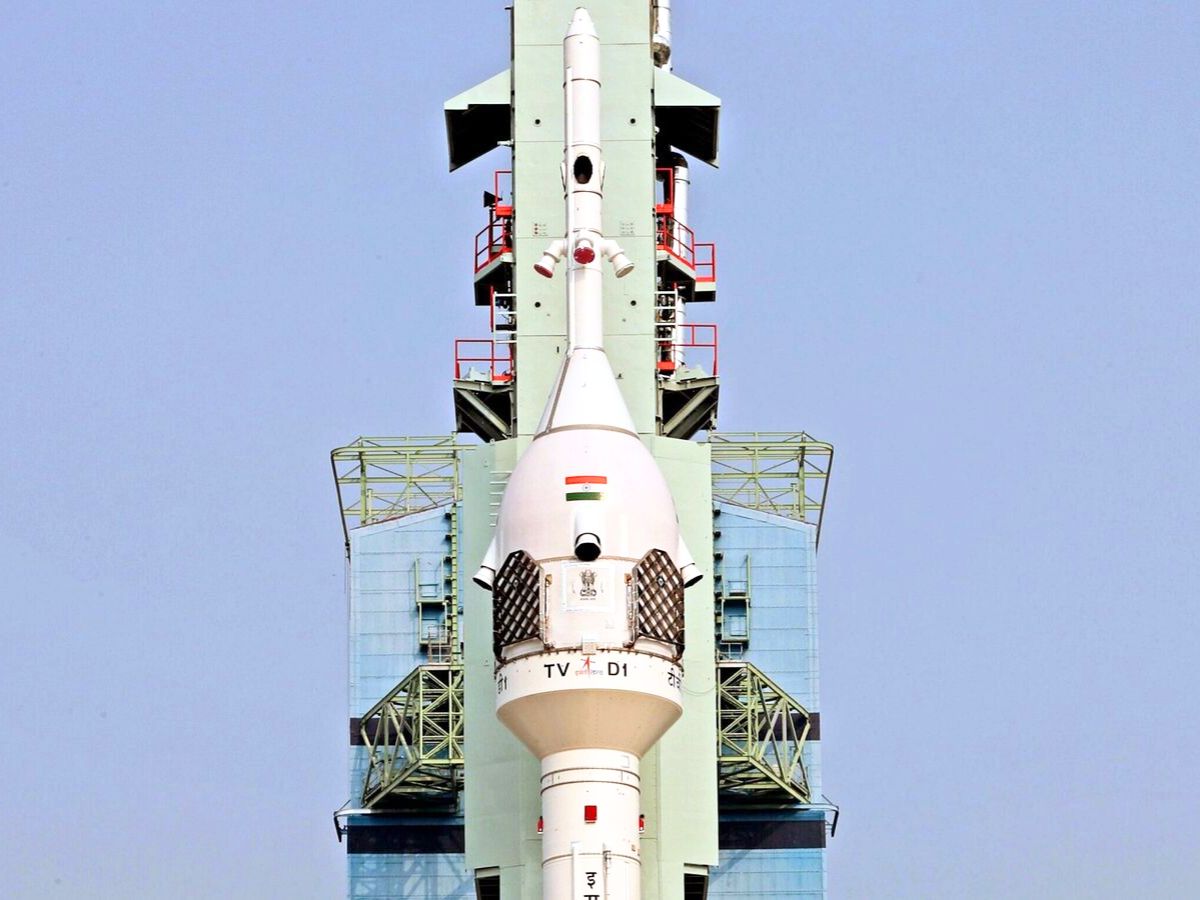
Gaganyaan: India’s First Human Spaceflight Mission
Gaganyaan aims to send a three-member Indian crew into a 400 km orbit for a three-day mission and bring them safely back with a splashdown in Indian waters. The mission involves developing critical technologies like a human-rated launch vehicle, life-support systems, and crew escape mechanisms, in collaboration with Indian industry, research institutions and global partners.
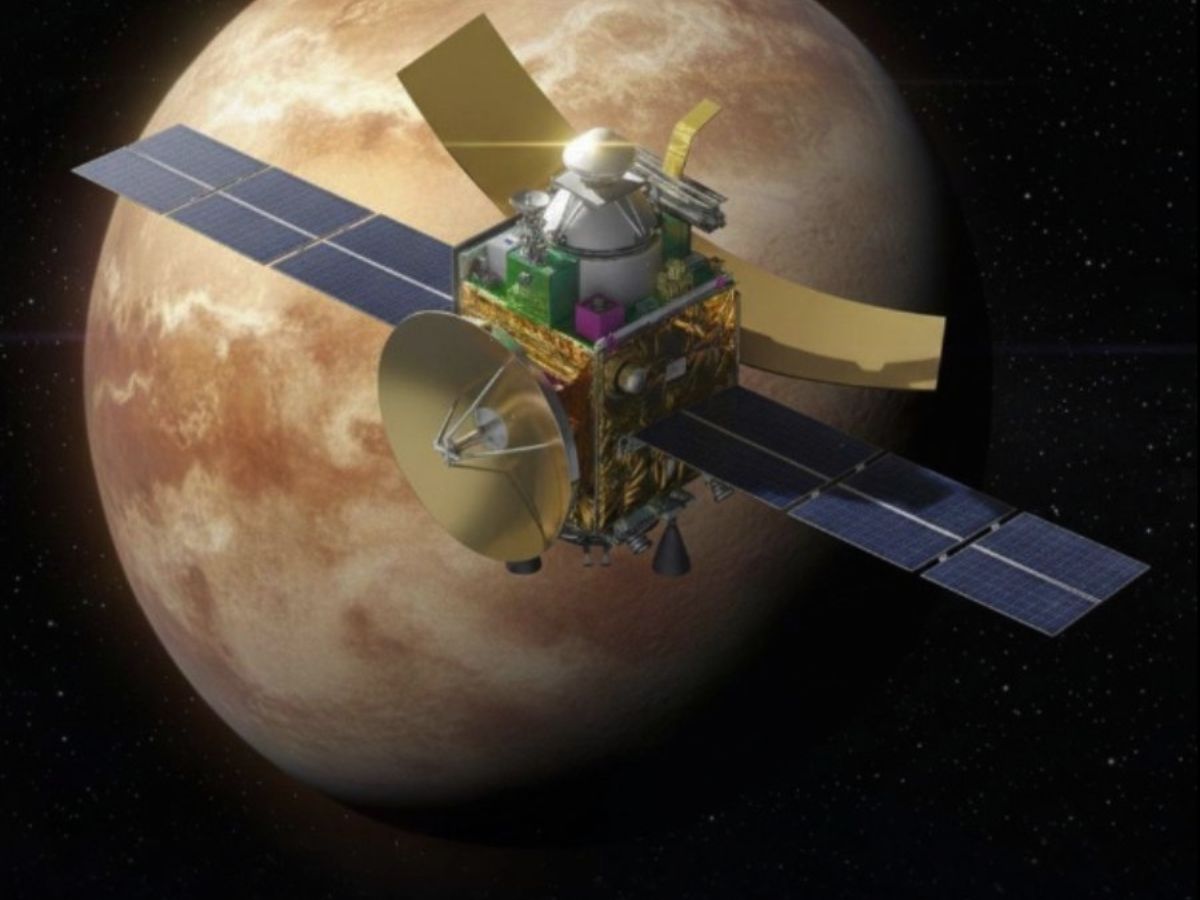
Shukrayaan-1: India’s First Mission to Venus
Set to launch in 2028, Shukrayaan-1 will orbit Venus to study its thick atmosphere, surface geology, weather patterns, and volcanic activity. Equipped with advanced scientific instruments, the mission aims to uncover the mysteries of Venus often called Earth’s twin including its dense carbon dioxide and sulfuric-acid clouds, helping scientists better understand planetary evolution.
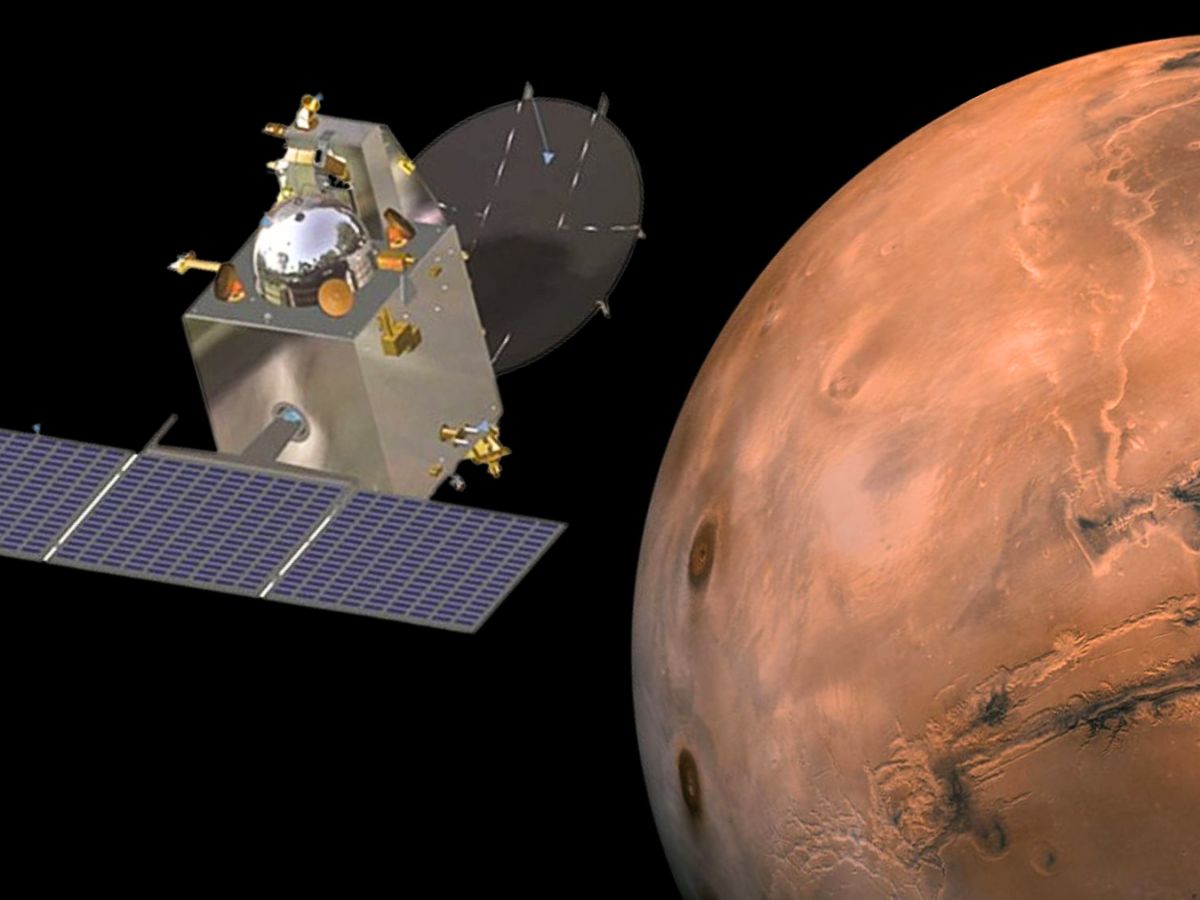
Mangalyaan-2: India’s Mission to Land on Mars
Twelve years after the success of the Mars Orbiter Mission, ISRO is preparing Mangalyaan-2, set for launch in 2030. The mission will mark India’s first attempt to soft-land on the Martian surface, representing a major leap in interplanetary exploration and advancing India’s capabilities in deep-space technology.

LUPEX: India-Japan Mission to Explore the Moon’s South Pole
LUPEX, a joint mission by ISRO and Japan’s space agency JAXA, will send a lander and rover to the Moon’s south pole by 2028. The mission aims to explore permanently shadowed regions and assess the presence, quantity, and usability of lunar water ice crucial for future human bases on the Moon. JAXA will provide the H3 launch vehicle and rover, while ISRO will develop the lander and key payloads.
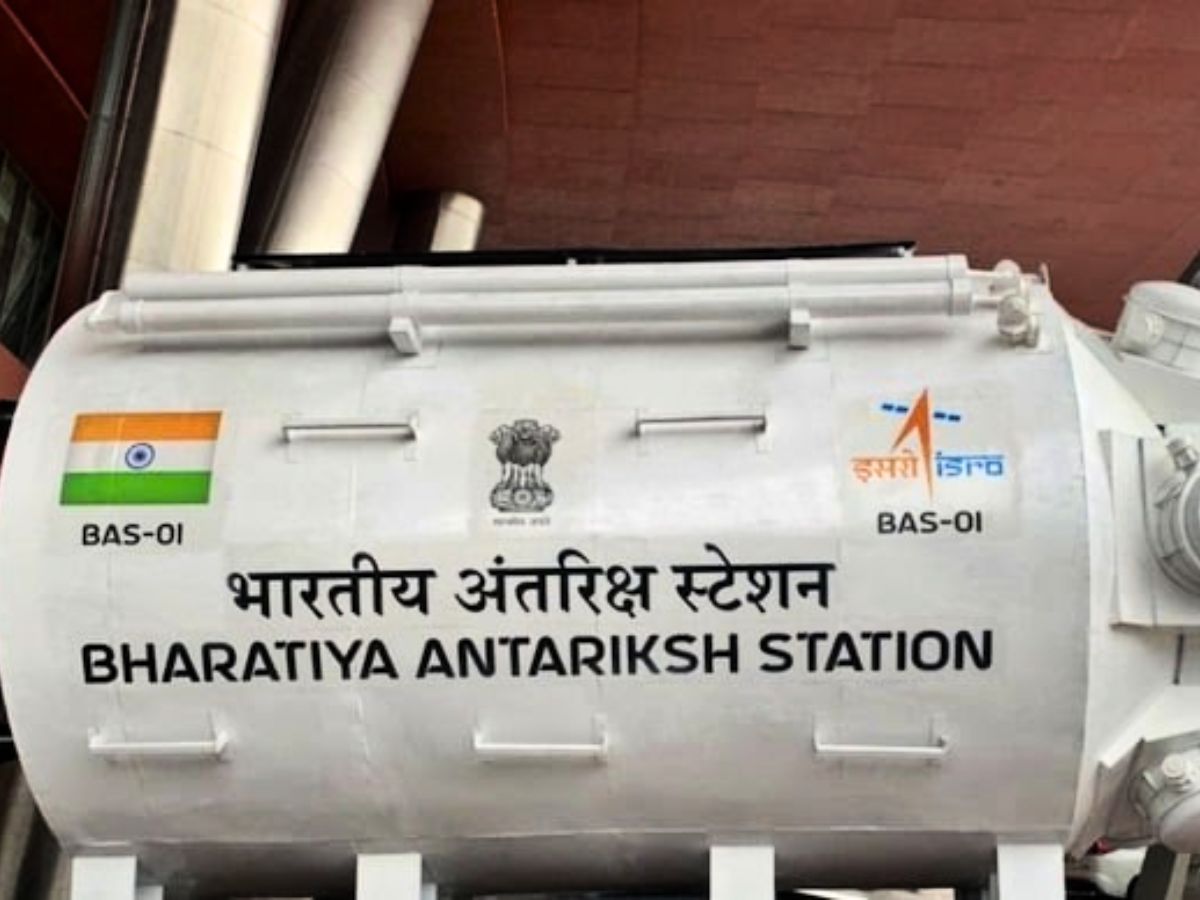
Bharatiya Antariksha Station: India’s Own Space Station
The Bharatiya Antariksha Station is a planned 20-tonne Indian space station that will orbit about 400 km above Earth, enabling astronauts to stay in space for 15–20 days at a time. Designed and operated by ISRO, the station will support long-duration human missions, scientific research, and advanced space technology development.




