
Check Out World’s Top 10 Most Expensive Cities To Live In 2025
World’s Top 10 Most Expensive Cities: From monthly rent to basic groceries, the cost of living differs drastically across the world. In recent years, rising price pressures have only widened these gaps. While major tech and financial hubs tend to record the highest expenses, local factors, such as currency fluctuations, import dependence, and regional economic conditions also play a key role in driving up prices.
To gauge overall urban affordability, analysts compared cities based on everyday expenses including food, transportation, utilities, and housing. These indicators were combined into a “Cost of Living Plus Rent Index,” using data from mid-2025.
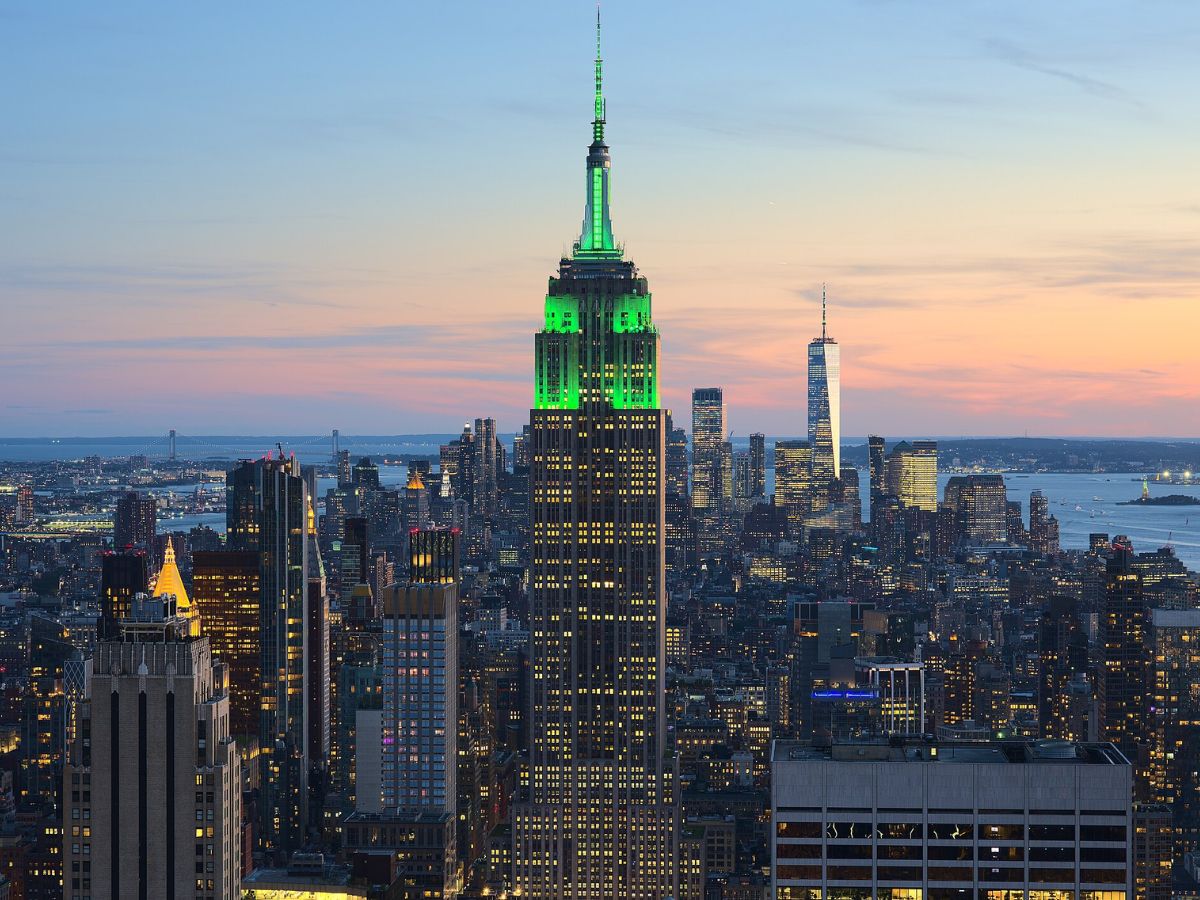
New York City, United States
The New York city consistently ranks among the world’s most expensive destinations for both residents and tourists, driven by steep housing prices and a generally high cost of living. Housing costs far exceed the national average, while everyday expenses and lifestyle spending also remain considerably higher.

Zürich, Switzerland
Zürich ranks among the most expensive cities in the world due to high costs for housing, groceries, and daily essentials. Despite its elevated living expenses, it is often listed as one of the best cities for expats, indicating that higher salaries may offset some of the financial burden.

Geneva, Switzerland
Geneva is extremely expensive, ranking among the most costly cities in the world. High costs are evident across the board, especially in accommodation, where monthly rents range from CHF 1,000 to over CHF 4,000. General living expenses for a single person are estimated at CHF 4,500–5,500 per month, excluding rent.
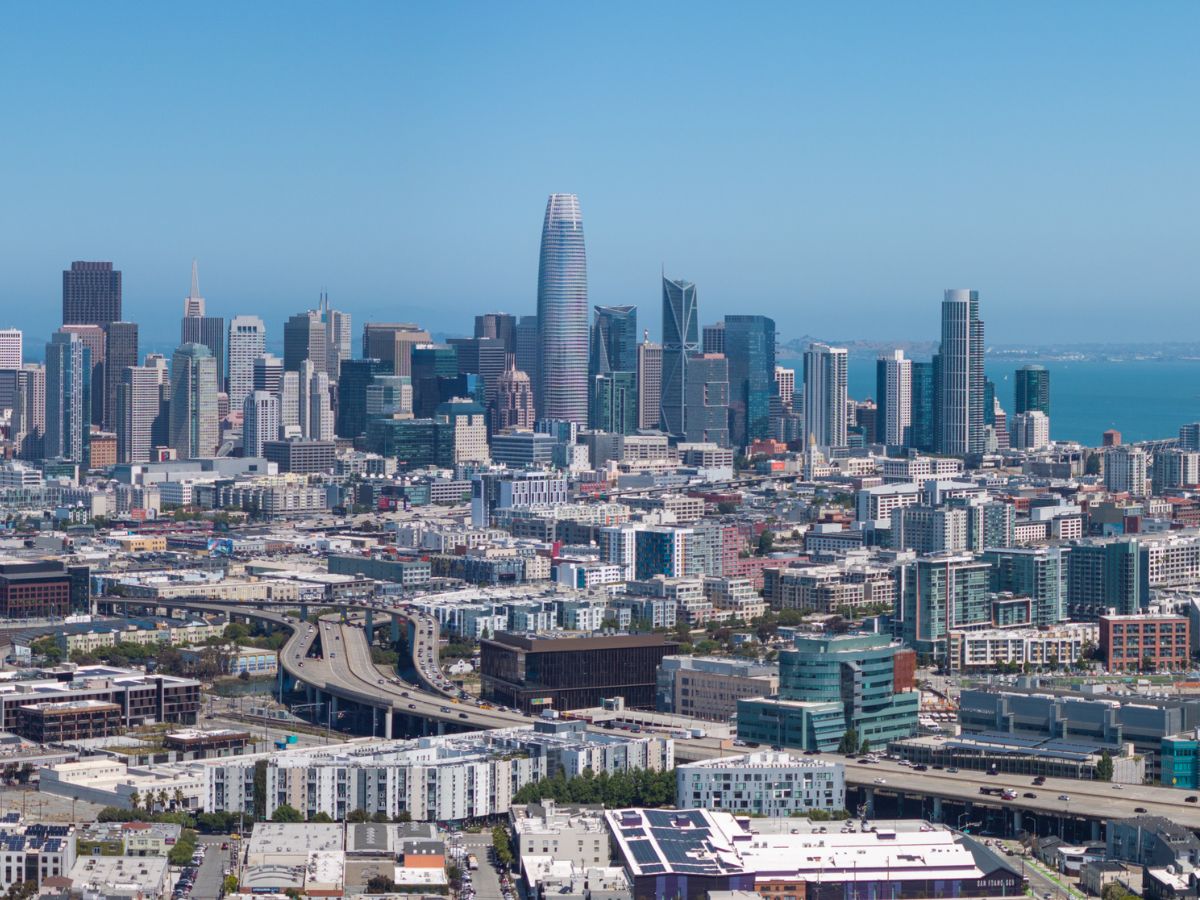
San Francisco, CA United States
San Francisco consistently ranks among the most expensive cities in the world, with a cost of living far above the U.S. national average, especially in housing. Rental prices are 161% higher, and utilities, transportation, and healthcare costs are also significantly elevated.

Basel, Switzerland
Basel is one of Switzerland’s notably expensive cities, reflecting the country’s overall high cost of living. It is considerably costlier than many major European cities, especially for groceries and rent. A one-bedroom apartment in the city centre typically ranges from CHF 1,300 to CHF 1,800 per month.

Lausanne, Switzerland
Lausanne is a notably expensive city, largely driven by high housing costs, though it remains slightly more affordable than Geneva. Like the rest of Switzerland, the city’s overall cost of living is steep, with mandatory health insurance premiums, everyday expenses such as dining out or going to the cinema, and hotel rates contributing significantly to monthly spending.
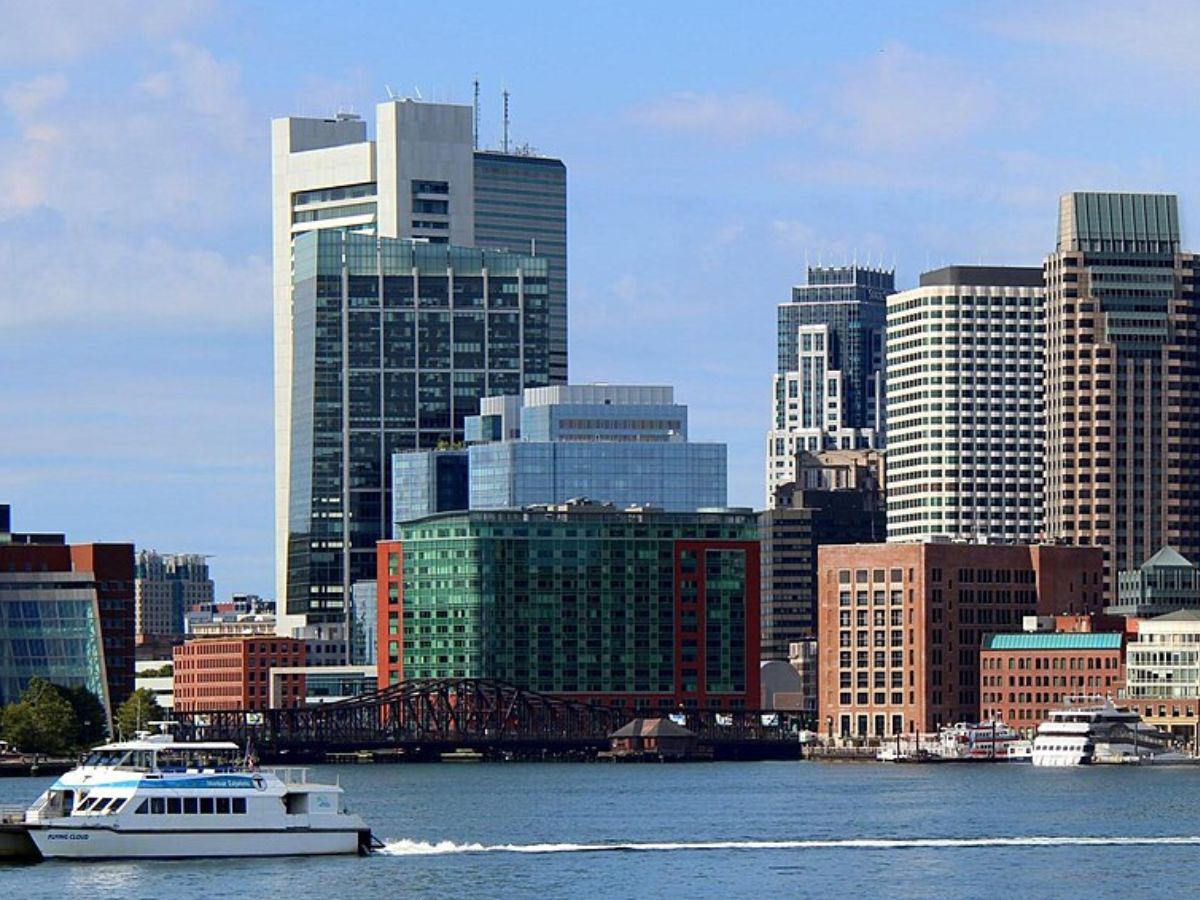
Boston, MA United States
Boston consistently ranks among the most expensive cities in both the U.S. and the world, driven by a tight housing market, a robust job sector, and the presence of several top-tier universities. Housing remains the biggest expense, with average rents for a one-bedroom apartment starting at around $2,800 per month.
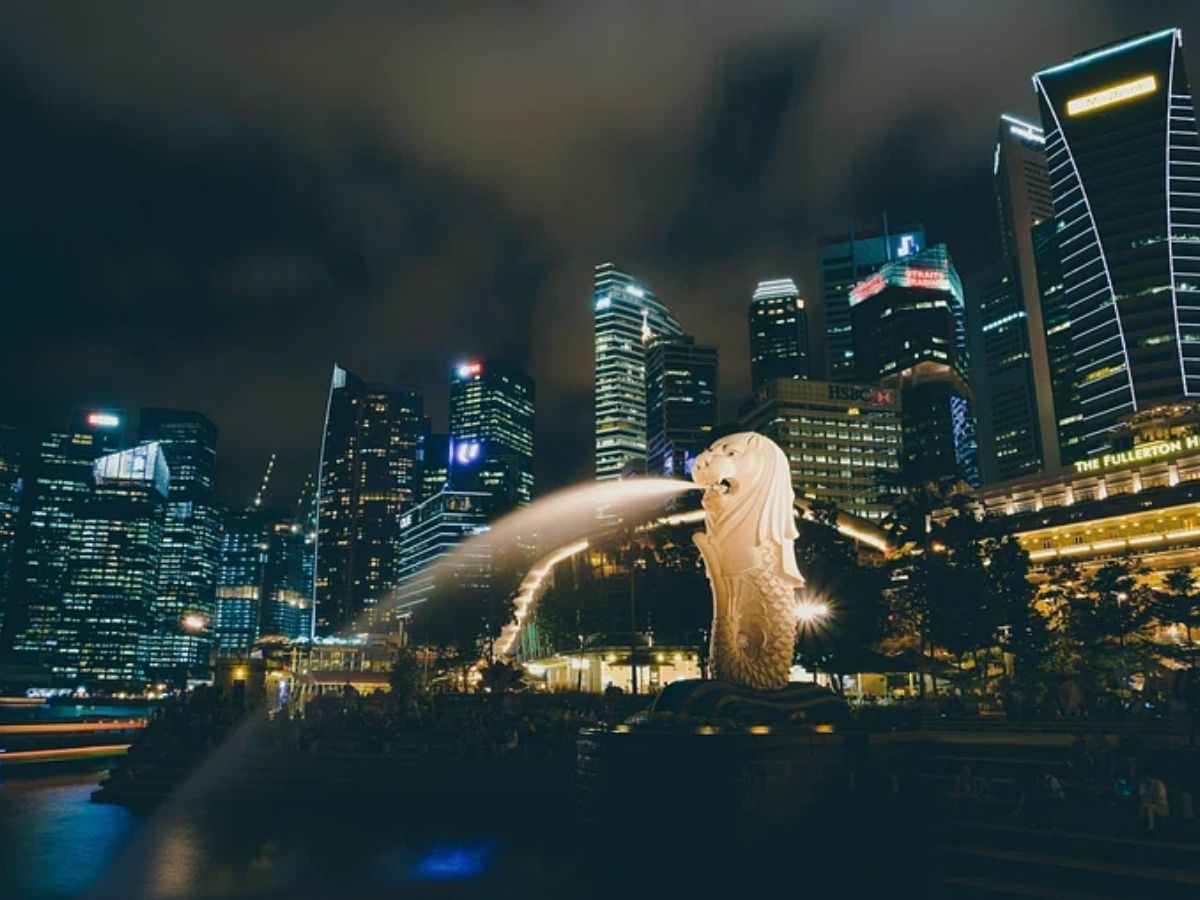
Singapore
Singapore is widely regarded as one of the world’s most expensive cities, driven by high costs for housing, cars, alcohol, and luxury goods. Still, overall expenses can vary significantly by lifestyle, as affordable options like hawker centers and low-cost public attractions help balance daily living costs for many residents.
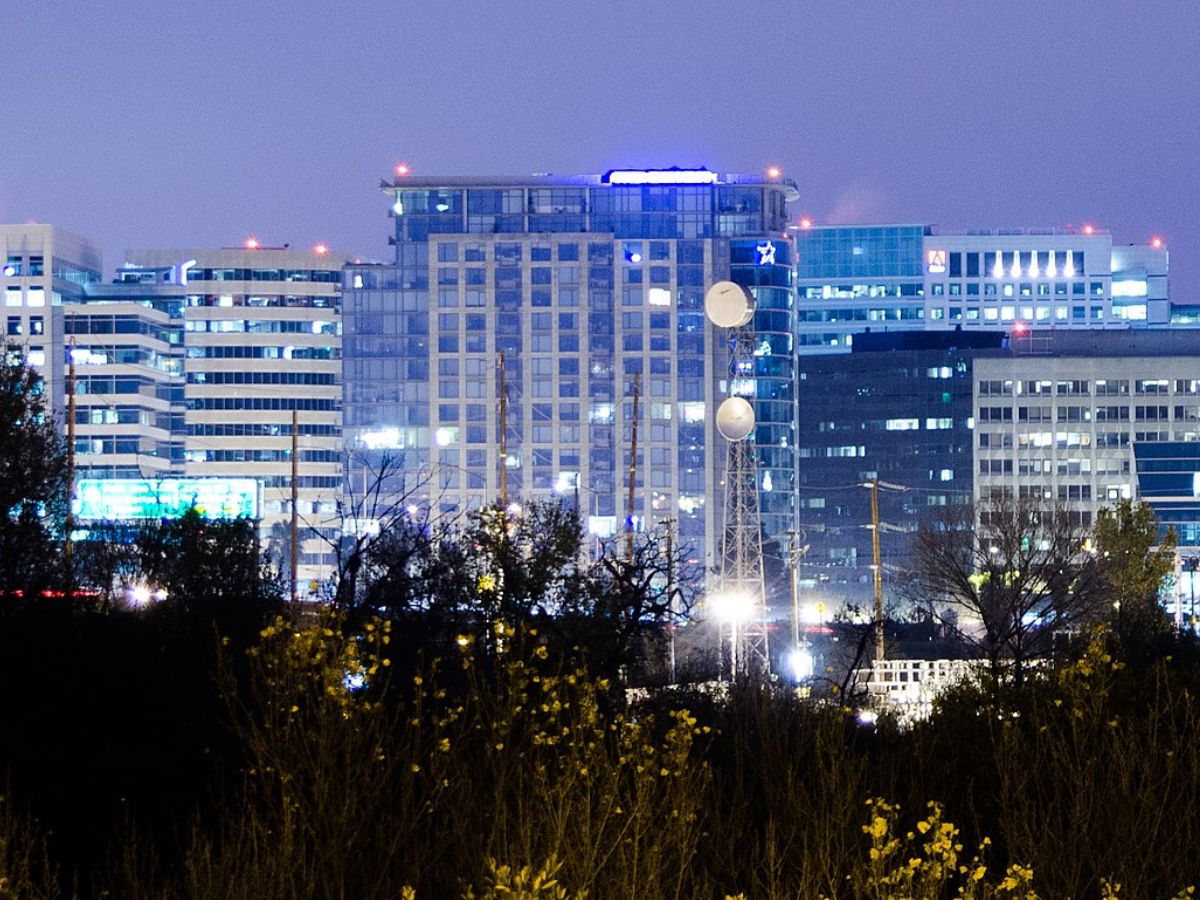
San Jose, CA United States
San Jose, CA ranks among the most expensive cities in the U.S., driven primarily by its exceptionally high housing prices and overall living costs. It is the costliest large city for monthly bills and the most expensive metro area to purchase a home, with median home prices near $1.9 million. Residents also face monthly expenses far above the national average.

Lugano, Switzerland
Lugano is an expensive city, though slightly more affordable than major Swiss hubs like Zurich or Geneva. The cost of living remains high, with major expenses driven by mandatory health insurance, housing costs, and everyday goods and services.

Disclaimer
This content is intended solely for informational and educational purposes. It is compiled from publicly available sources, and NewsX has no direct association with the information provided.




