
Forbidden? Women Are NOT ALLOWED To Enter These 5 Places In India, Last One Is A Place Where…
Some religious sites around the world, like Mount Athos in Greece, Jama Masjid and Sabarimala Temple in India, and parts of the Vatican, restrict women’s entry, citing celibacy rules or male monastic traditions.
Here’s a list of places where women are not allowed to enter in India:
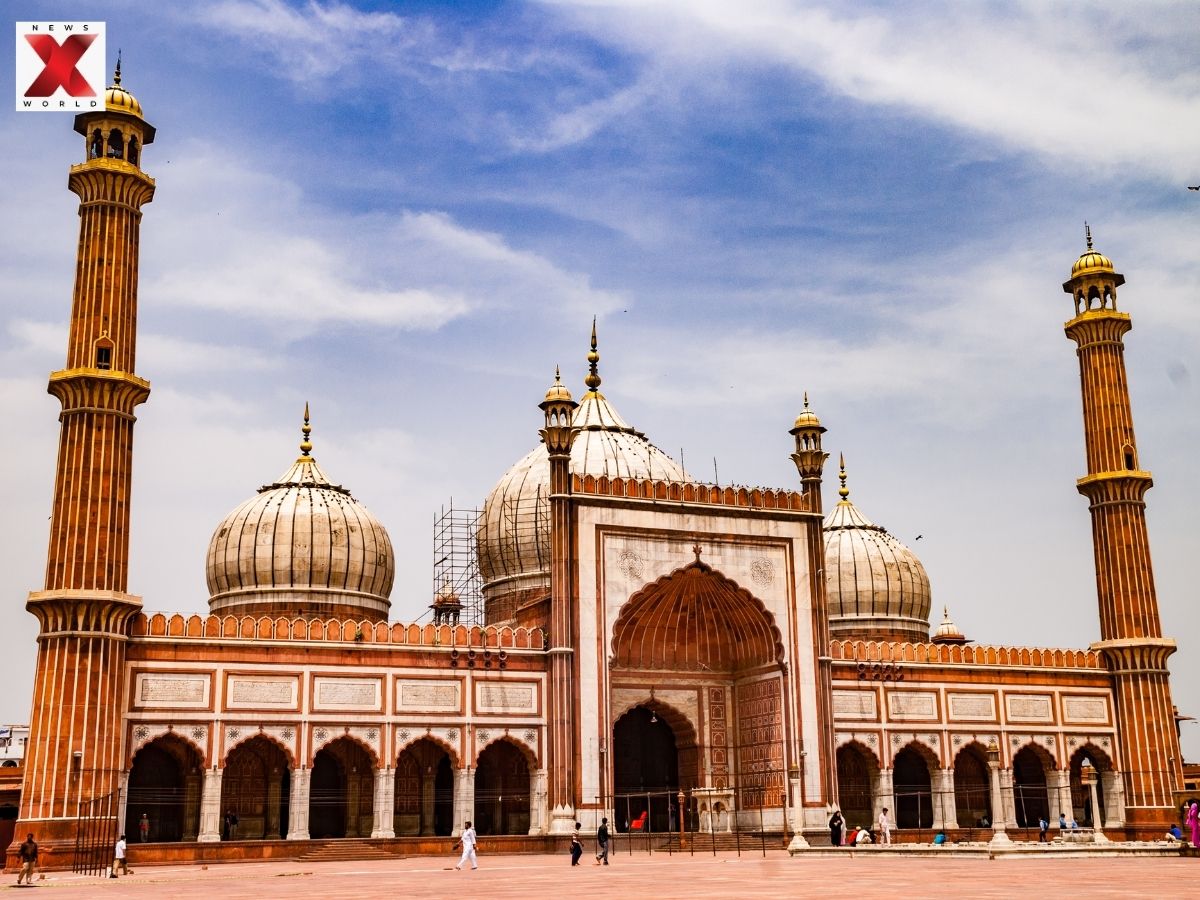
Jama Masjid, Delhi
In late 2022, a ban was introduced at Delhi’s Jama Masjid prohibiting unaccompanied women from entering, aiming to prevent “obscene activities.” However, the decision faced strong public and religious backlash and was soon revoked. The mosque administration clarified that the restriction wouldn’t apply to women visiting for prayers. Still, the largest mosque in India continues to prohibit women’s entry after the Maghrib (sunset) prayers.
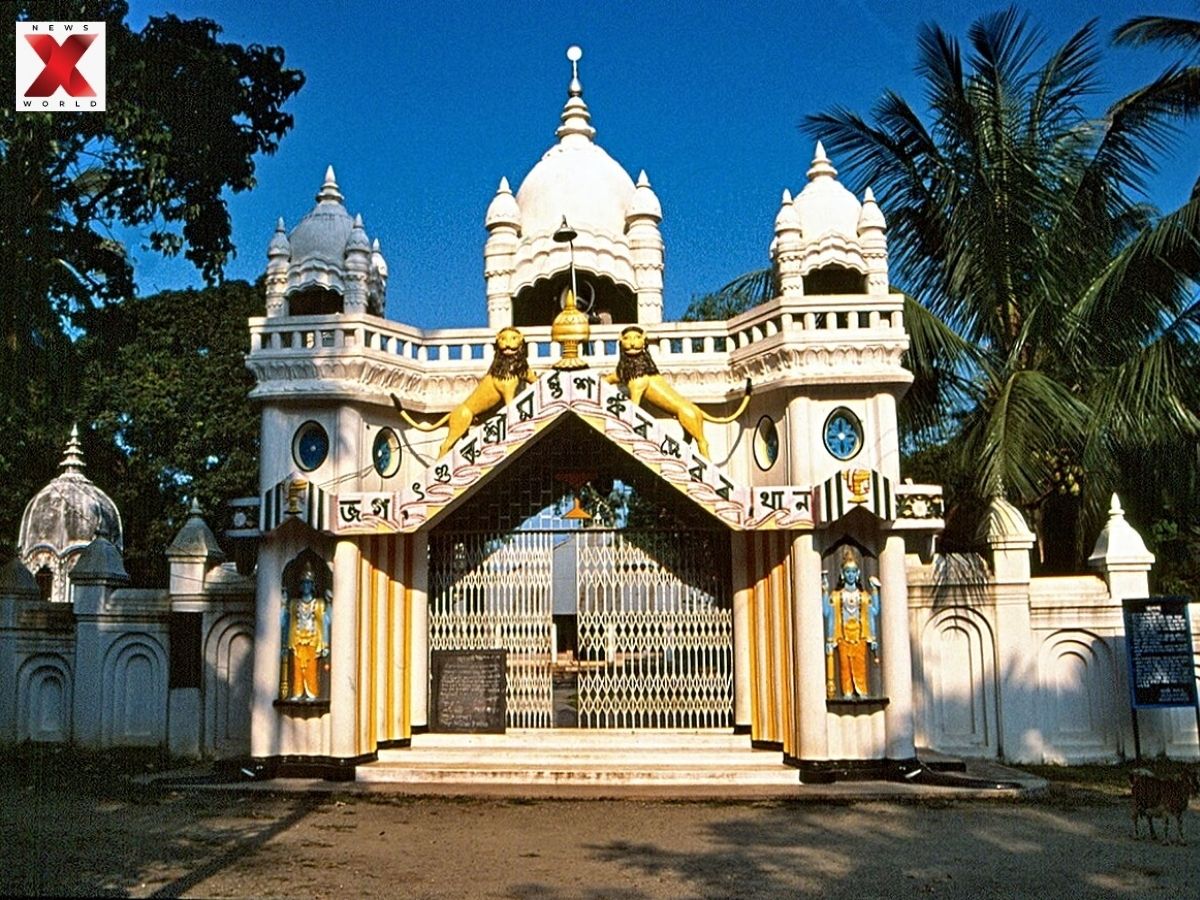
Patbausi Satra Temple, Assam
Women are not permitted inside Assam’s Patbausi Satra temple in order to maintain its “purity,” as menstruating women are regarded as “impure.” In 2010, then Assam Governor JB Patnaik challenged the rule by entering the temple with a group of women, but the ban was reinstated shortly afterwards, according to local media reports.
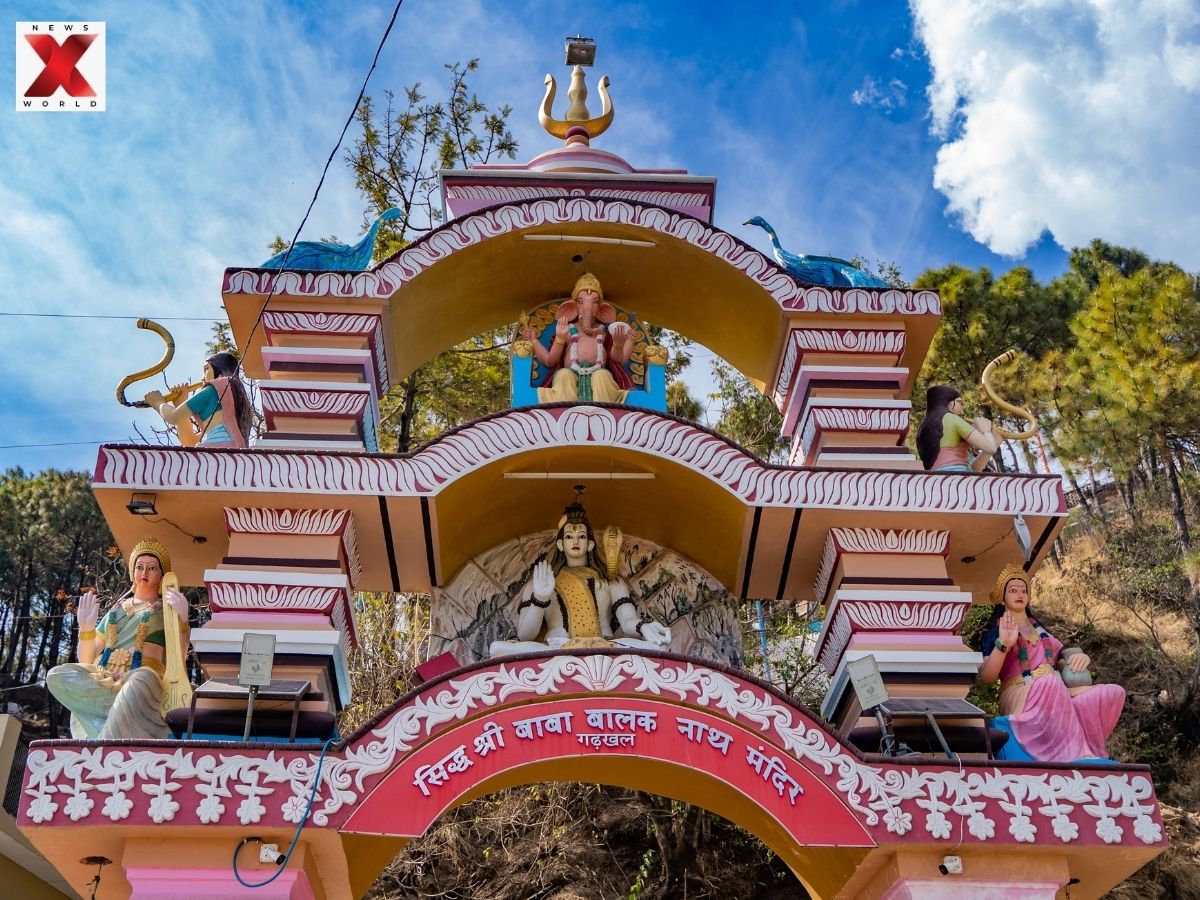
Baba Balak Nath Temple, Hamirpur
The Baba Balak Nath temple, located in the Dhaulagiri Hills of Himachal Pradesh’s Hamirpur district, also prohibits women from entering. Similarly, according to legend, women who visit the Lord Kartikeya temple in Pushkar, Rajasthan, will be cursed rather than blessed, which is why their entry is banned.
Lord Annappa Temple, Dharmasthala
The Lord Annappa Swamy temple in Dharmasthala near Mangalore, Karnataka, also restricts women from entering. Devotees believe that Lord Annappa is the brother of Lord Ayyappa, which is part of the tradition behind the ban.
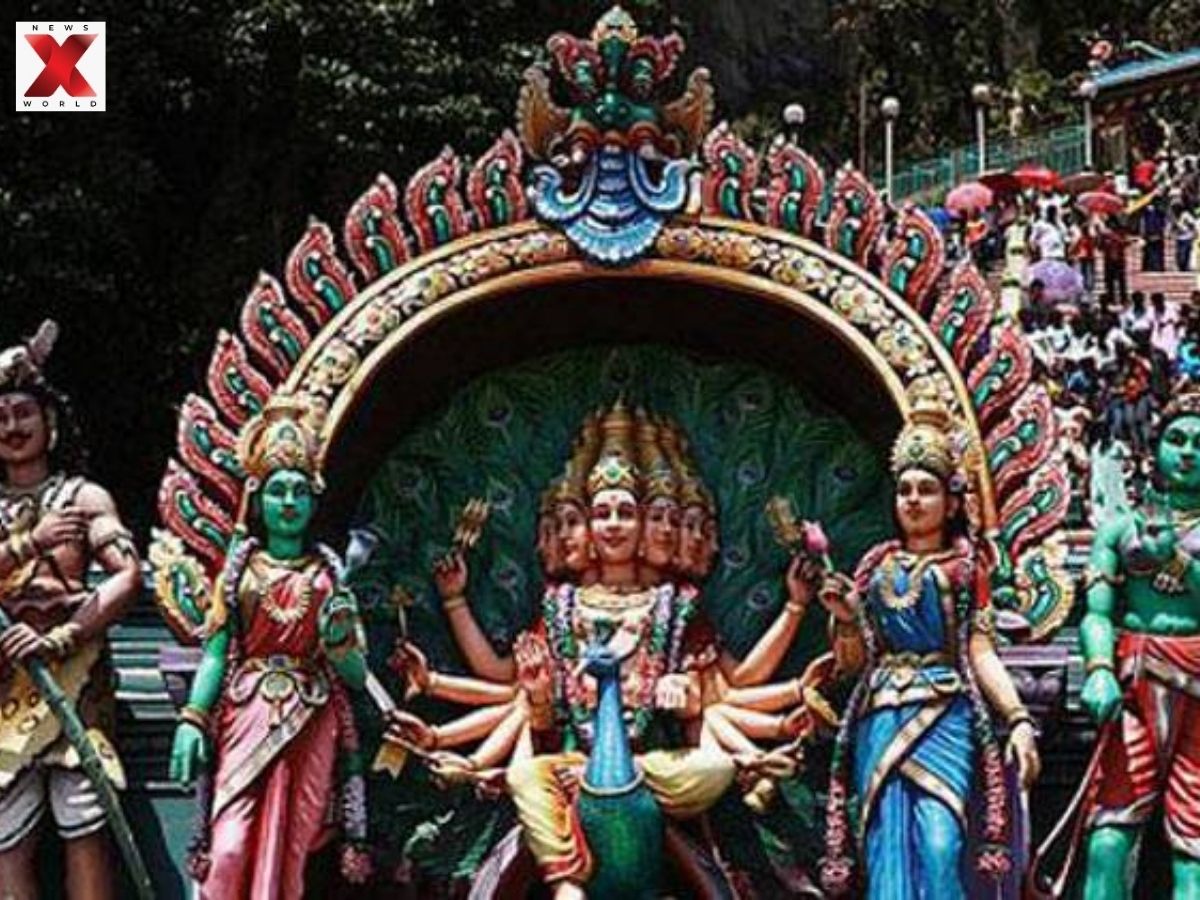
Lord Kartikeya Temple, Pushkar
It is believed that women who visit the Lord Kartikeya Temple in Pushkar will be cursed rather than blessed. This belief is the reason the ban on female visitors remains in effect to this day.




