
From 1947 To Now – How Independence Day Celebrations Have Changed Over The Years
Since the year 1947 Independence Day celebrations in India have seen a lot of different changes. The initial celebration was an inconspicuous, sentimental celebration marred by Partition. The 1950s established formal traditions whereas in the 1960s cultural diversity was introduced. Wars and industrial political unrest and the emergence of television defined nationalism in the 1970s and 1980s. The 1990s economic liberalisation introduced colour and commercialisation and the participation of the world. The 2000s valued security but made the pageantry grow and the patriotism changed with the influence of social media in the 2010s. The pandemic years took things online, focusing on the hybrid, tech-based festival of now, with a mix of drone shows, live-streams and theming, in addition to the heritage, but part of the Indian transitioning to digital age, that the country is going through as a young republic is becoming a nation of the digital times.
1947- First Independence Day
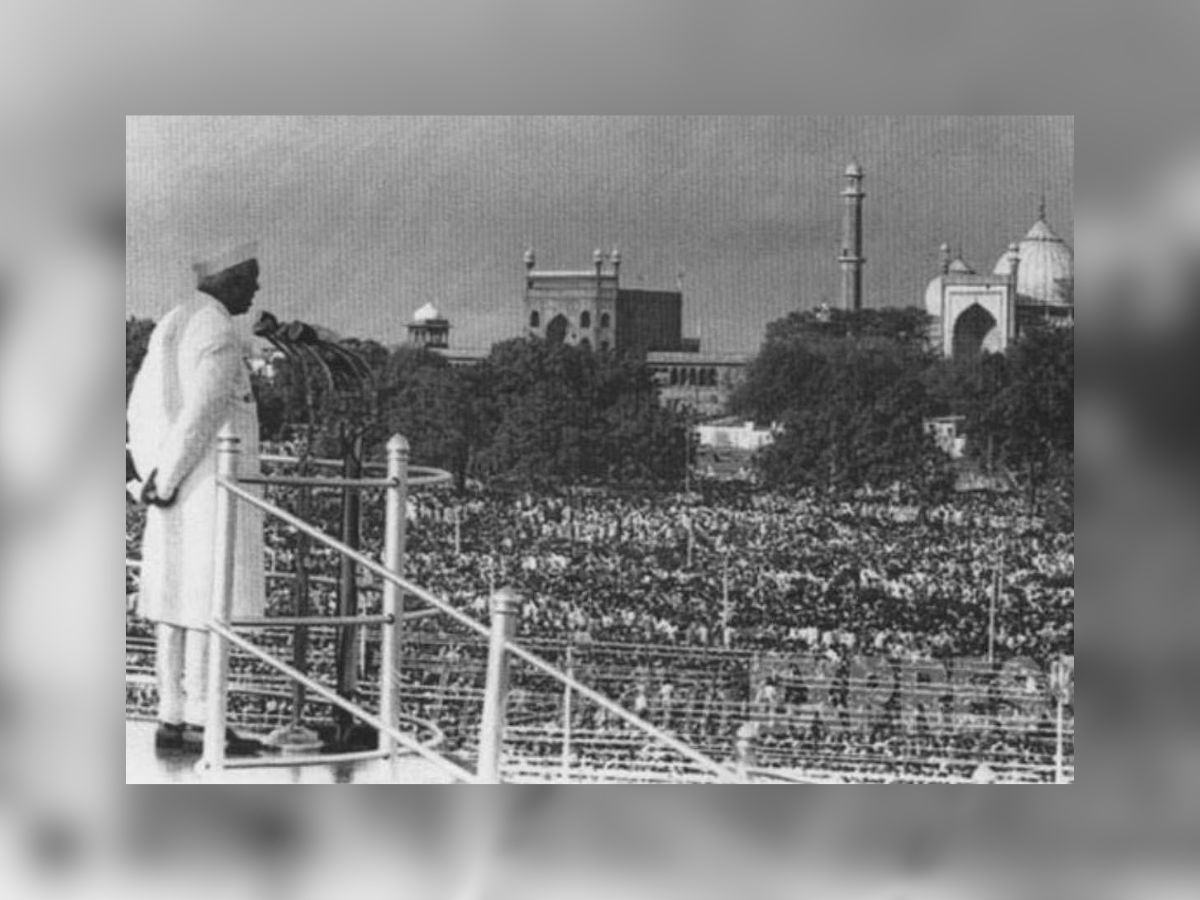
The Independence Day of India on August 15, 1947 was the first time ever when there was a mixture of happiness and sadness. Jawaharlal Nehru made the speech of his life, the so-called the Tryst with Destiny address to the Constituent Assembly at midnight. Years later, he lifted the Tricolour at the Red Fort, the birth of a free India was officially born and this was done hours later. Events were low-key-not much in the way of security, fanfare or scale entertainment. However, this day was full of emotion because millions of people celebrated freedom at the same time wrestling with the tragedy of Partition. Towns and villages become crowded in front of radio sets or in the town squares to listen to the news and sing patriotic songs.
1950s- The Foundations
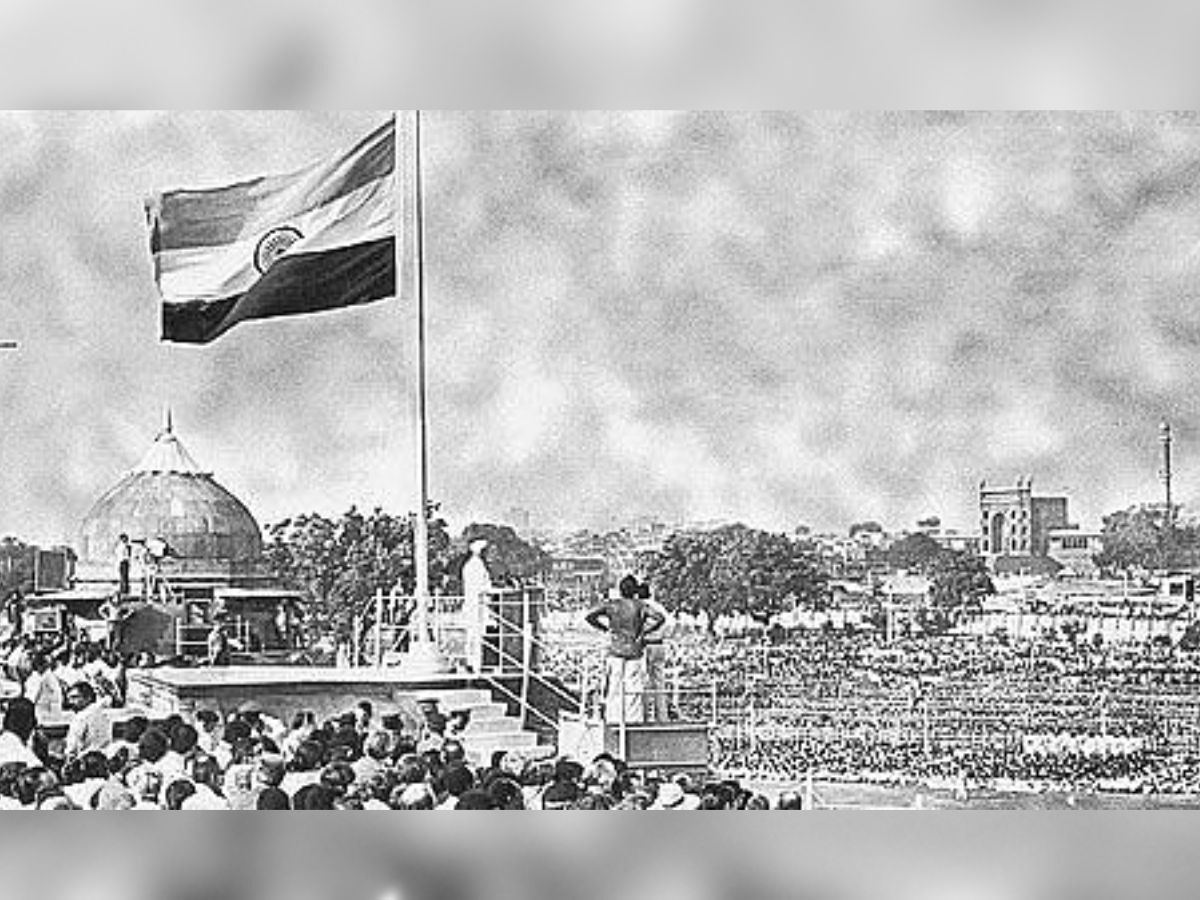
Precedents in the celebration of Independence Day started taking a more organized form by the early 1950s. Raising of the red fort flag became an annual event and the Prime Minister delivered a speech on every flag hoisting event around the development and challenges. There were piddling parades of military contingents, police forces, and schoolchildren. At rural places, local leaders would be organising flag hoisting at panchayat grounds. Radio continued to dominate the scene, the address of the PM was aired live on the radio in India. It was about integration, nation-building and also pride in a young democracy. The festivities did not involve much of a spectacle but a serious contemplation of the part of freedom and constitutional democracy.
1960s- The Culture Incorporation
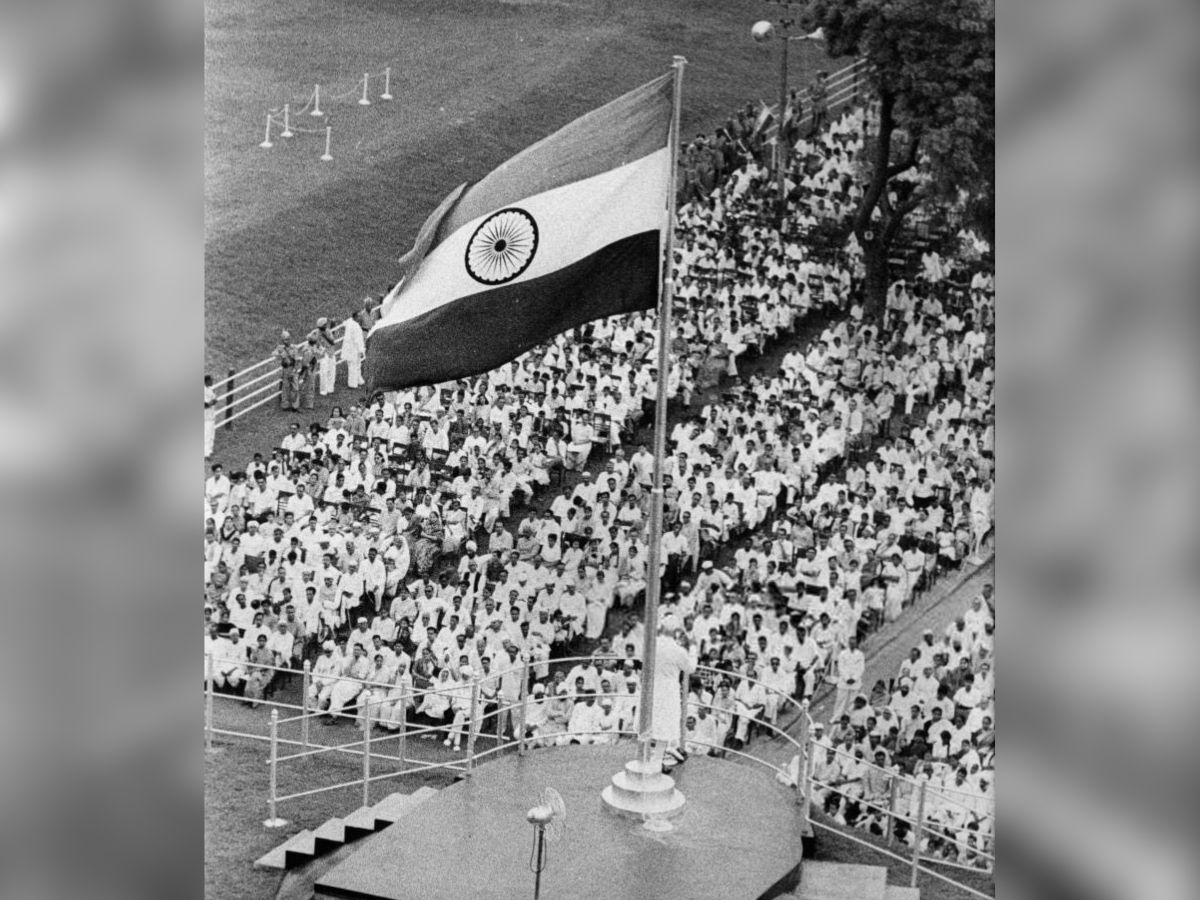
In the 1960s, Independence Day festivities took a more culturally accommodative route with diversity in India being portrayed. Folk dances, patriotic plays, songs in different languages appeared in school programs. With the integration of the nation being a major concern, local governments sought the presence of various communities to enhance the process of integration especially following such incidents as the 1962 war against China. The event being held at Red Fort had even more attendance by the people and the armed forces were given more preference. The speech of the PM was no longer on governance but the ability to be resilient and self-reliant. National papers gave the event front page treatments with reports and photos to show the celebrations of different states all across the nation to help people have a feeling of belongingness.
1970s- Nationalism under Difficulties
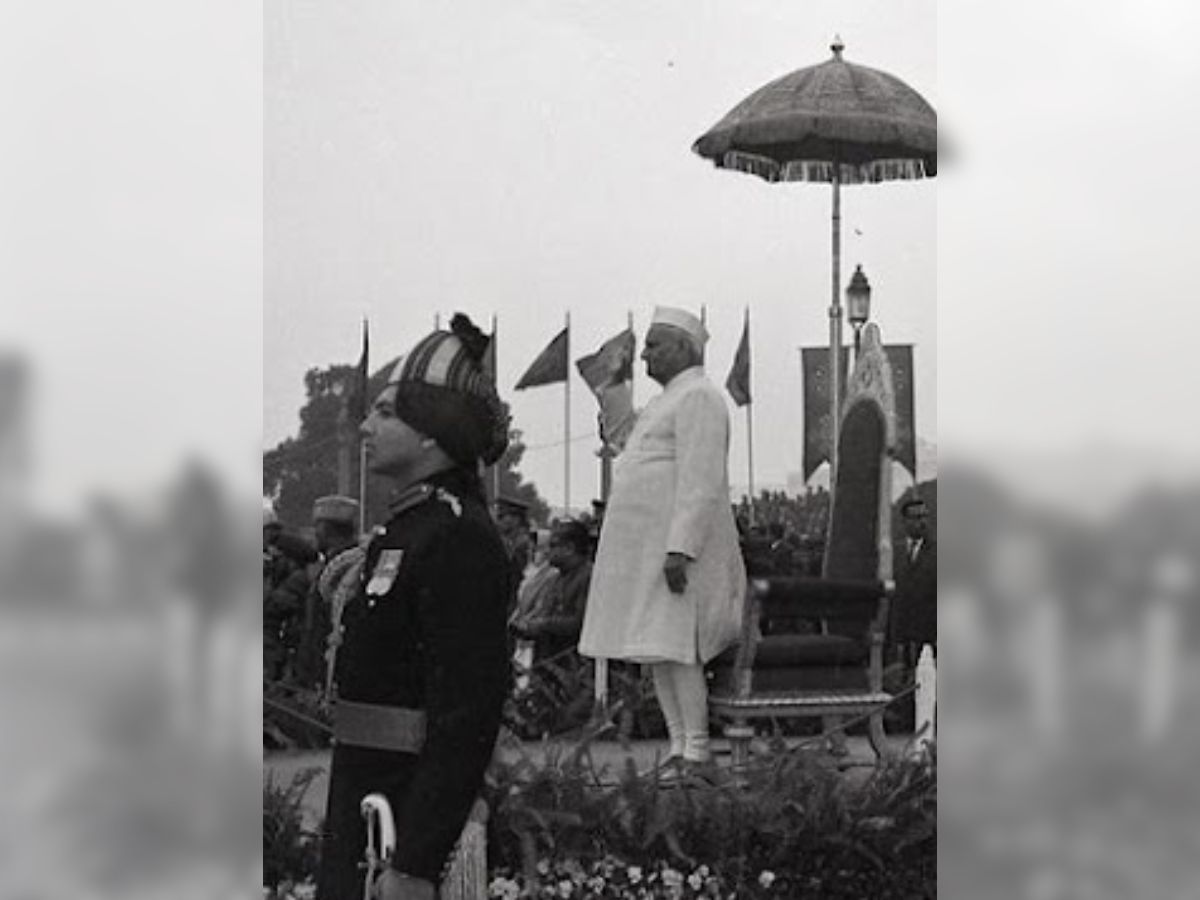
The Independence Day celebration of the 1970s was surrounded by political turmoil, wars, and Emergency. Patriotic sentiment ran high with the 1971 Bangladesh Liberation War victory meaning that people began to gather in larger numbers and became more enthusiastic. It was routine during events in the Red Fort to arrange cultural performances. These ceremonies received a visual shot after the advent of colour television in 1982 and this made the ceremonies more interesting to the viewers at home. Nevertheless, the security became very tight, particularly following political assassinations and disturbances. August 15 was a unifying symbol even during tense times, since the leaders tried to calm the people and demonstrate that the republic was able to survive.
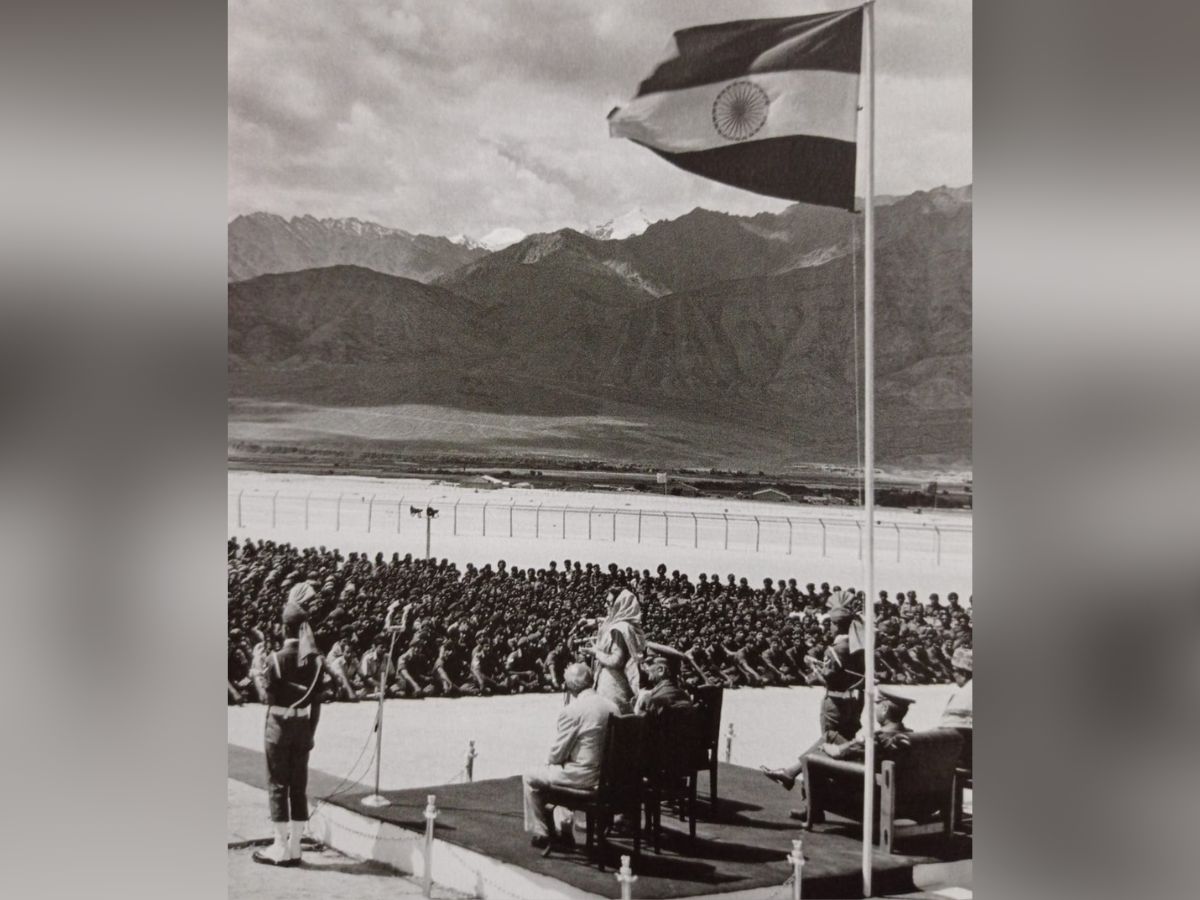
1980s - The country comes together in the light of TV
By the 1980s, the ability of Doordarshan to cover India in its breadth converted Independence Day into a really shared affair. The saluting of the flag, the cultural programmes, and the living room watching of the lifting of the flag and everything were followed by millions of people. Patriotic skits and ceremonial parades gained more popularity in schools and in public institutions. The government messaging was on technological advancement, and social improvement. Nonetheless, there was also the introduction of the security issue as a result of the insurgencies and instability of political power, which triggered increased checks at larger events. August 15 was no longer just a day of memory but also a day of television to engage most of the Indians to the celebration in the capital city corners of the nation.
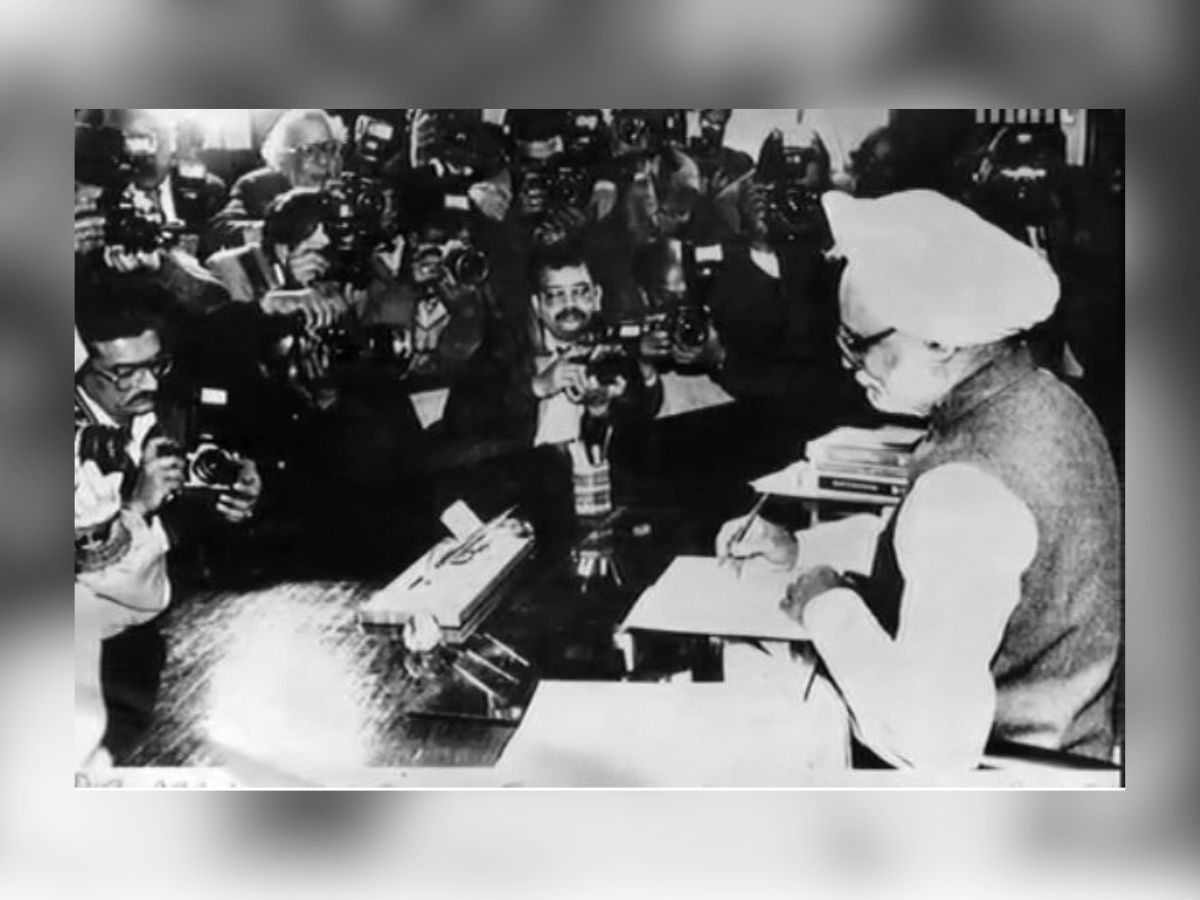
1990s - liberalization and a New Patriotism
Independence Day was a more commercialized and colourful event changed in the 1990s. It was a year of euphoria due to economic liberalisation in 1991 and the tricolour badges, caps, balloons had to be produced. The live coverage was accompanied by active commentary and entertainment, the involvement of the private television channels. Housing societies also started celebrations at the community level and this was a combination between the patriotic songs and cultural displays. Indian global ambitions and economic reforms gained more ground in the address of the Prime Minister that reflected in the ambitions of the world. There were patriotic films such as Border and Roja which were played on television and influenced the mood of the people. It is also the time of the decade that diaspora communities in other parts of the world are out with a bang celebrating August 15 around the world further globalising the importance of the freedom of India.
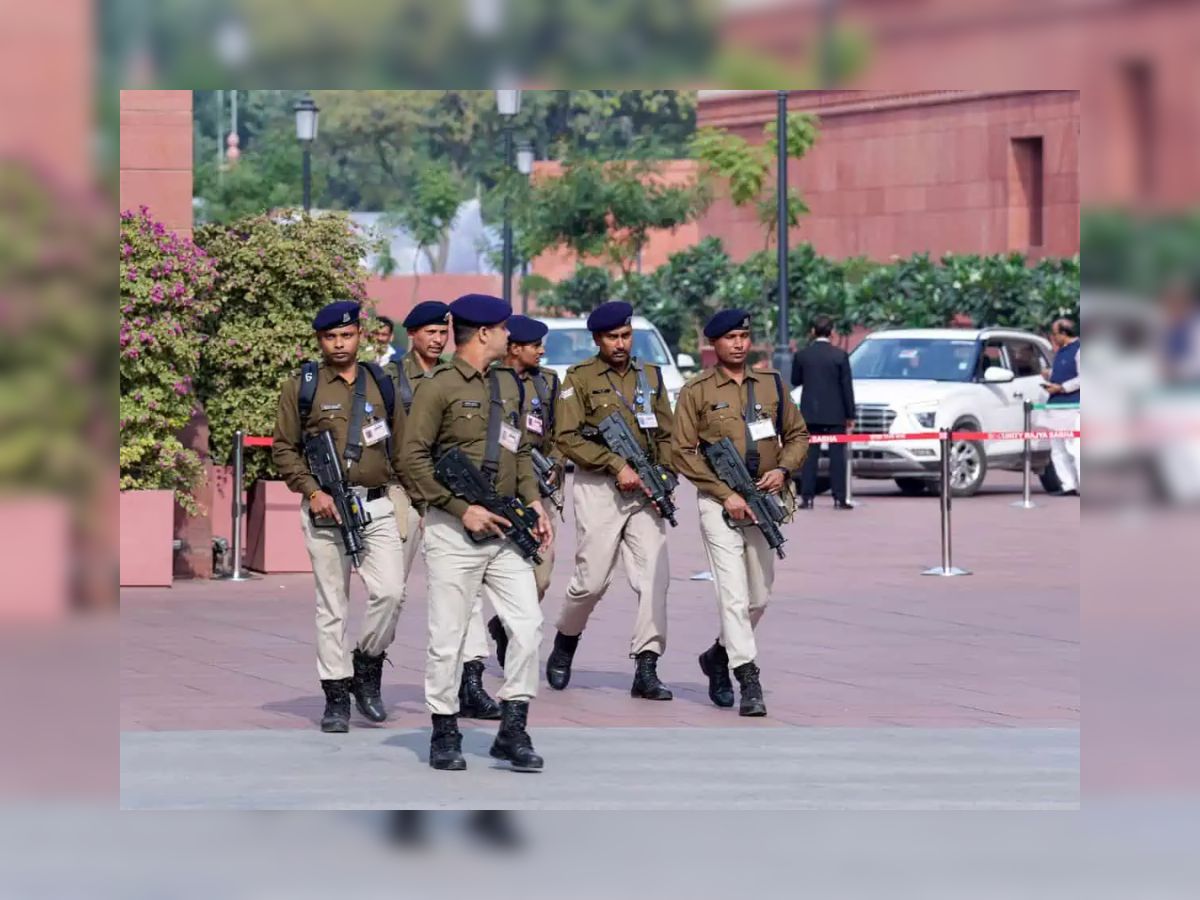
2000s- Security and Spectacle
After 2001, there were increased terror threats that altered the form of celebrations. Multi-layered security was at the Red Fort event where there was less access to the general public. Nevertheless, the format of cultural exhibitions had grown too large-scale. States had elaborate tableaus to show off the Indian heritage and the military had more organized marches. Traditional songs and skits were overcome with multimedia presentation in schools. The news sites started to provide live reporting and photo galleries. The Red Fort event turned out to be another combination of patriotic pride and controlled access with the balancing of enthusiasm of people and security of the country. The increased influence of the internet also compelled a larger number of people to witness August 15 celebration digitally, though some could not attend the event in person.
2010s- Social media overtakes
No digital turn of Independence Day had taken place in the 2010s. The Red Fort ceremony was available to the whole world in real time through live images via YouTube,Facebook and government portals. Such campaigns on social media as HarGharTiranga motivated citizens to post photos of the flag. New aerial perspectives of events were available with drone photography. LED light displays, projection mapping and theme decorating were tried in state capitals and organisations that were privately owned. The Indian diaspora enhanced events in other parts of the world and usually in the time zone of India. To the younger generations, August 15 was no longer just a patriotism event, but also an online event along with its offline presence as the tradition slowly and gradually became digitalized to maintain the patriotism feeling alive.
2020 2021- Pandemic-Era Adaptations
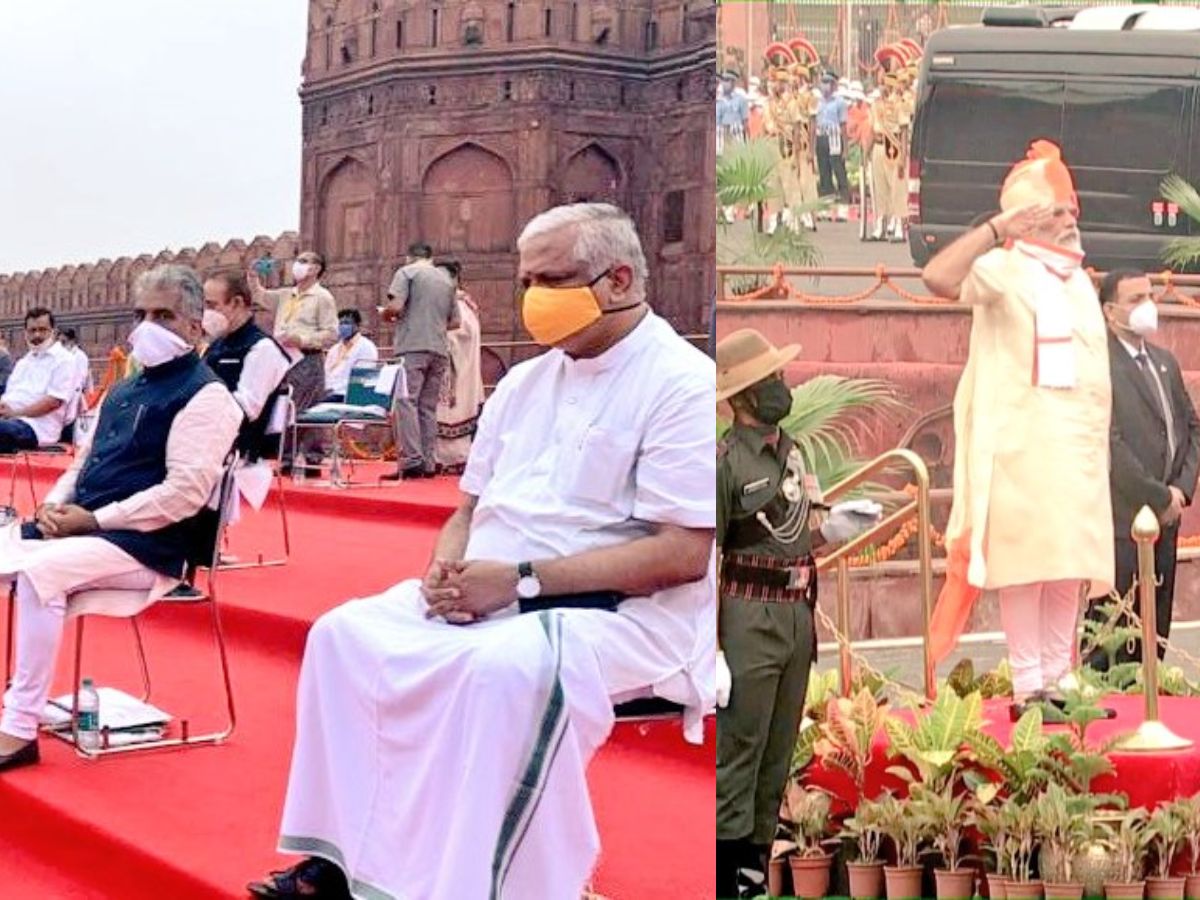
COVID induced a previously unknown environment into Independence Day celebrations. In 2020, the event in the Red Fort was not that big, and precaution measures (mask and social distancing requirements) were very strict. Virtual flag-hoisting ceremonies were done through video conferencing in many schools and offices. Physical cultural events were substituted with online competitions. Citizens were involved in posting patriotic videos, essays and songs on social media. The government made the event a way of bringing to the fore the role of frontline workers and national collectivity during a crisis. Although on a smaller scale, the symbolism was higher- Independence Day turned out to be a reminder that the same will is as essential as it was during the freedom struggle; resilience and solidarity are key elements and the answer to issues that we face at the present day.
2022-2025- the hybrid, high-tech and thematic
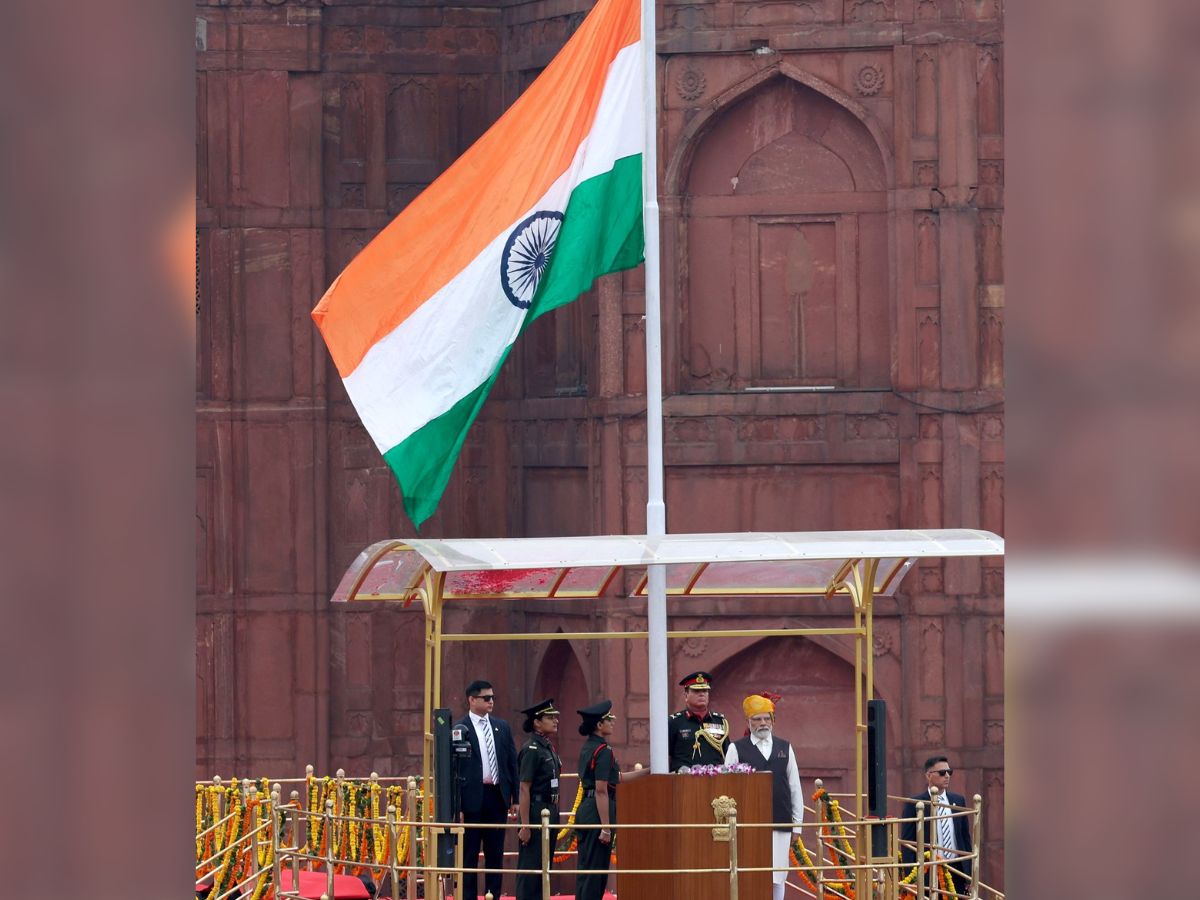
The Independence Day celebrations of post-pandemic times took the form of a hybrid model incorporating the real and virtual worlds. The Azadi Ka Amrit Mahotsav campaign supplemented the history exhibit, adulation of freedom fighters and art installation sites. Some fireworks were eliminated in favor of drone displays, which are environmentally friendly but spectacular. The live Red Fort included live translations (multilingual) and ultra-HD broadcasts. There was increased citizen participation in forms of apps and online contests. During the speeches and cultural performances, themes of sustainability, women empowerment, and Digital India were also incorporated. August 15 today has become a spectacle of grand multimedia celebration- anchored in heritage but mutated to fit into a world of rapid connection and expansion that signifies both the process and future of the country.




