
In Pics: 10 Birds Every Wildlife Enthusiast Must Look Out For This Monsoon At Bharatpur Bird Sanctuary
As the monsoon rains sweep across Rajasthan, the Keoladeo Ghana National Park (Bharatpur Bird Sanctuary) comes alive with renewed energy and color. Between July and September, this UNESCO World Heritage Site transforms into a lush, water-filled haven for thousands of birds. The dry, cracked marshes give way to shimmering wetlands, drawing in both resident species and early migratory visitors. Monsoon is not just a season—it’s the sanctuary’s breeding peak. Trees fill with the calls of nesting storks and herons, while water bodies ripple with the movements of ducks, darters, and moorhens. The air is vibrant with birdsong, courtship dances, and the dramatic interplay of clouds and sunlight. For birdwatchers and photographers, it’s a magical time when Bharatpur reveals its wildest, most vibrant self.
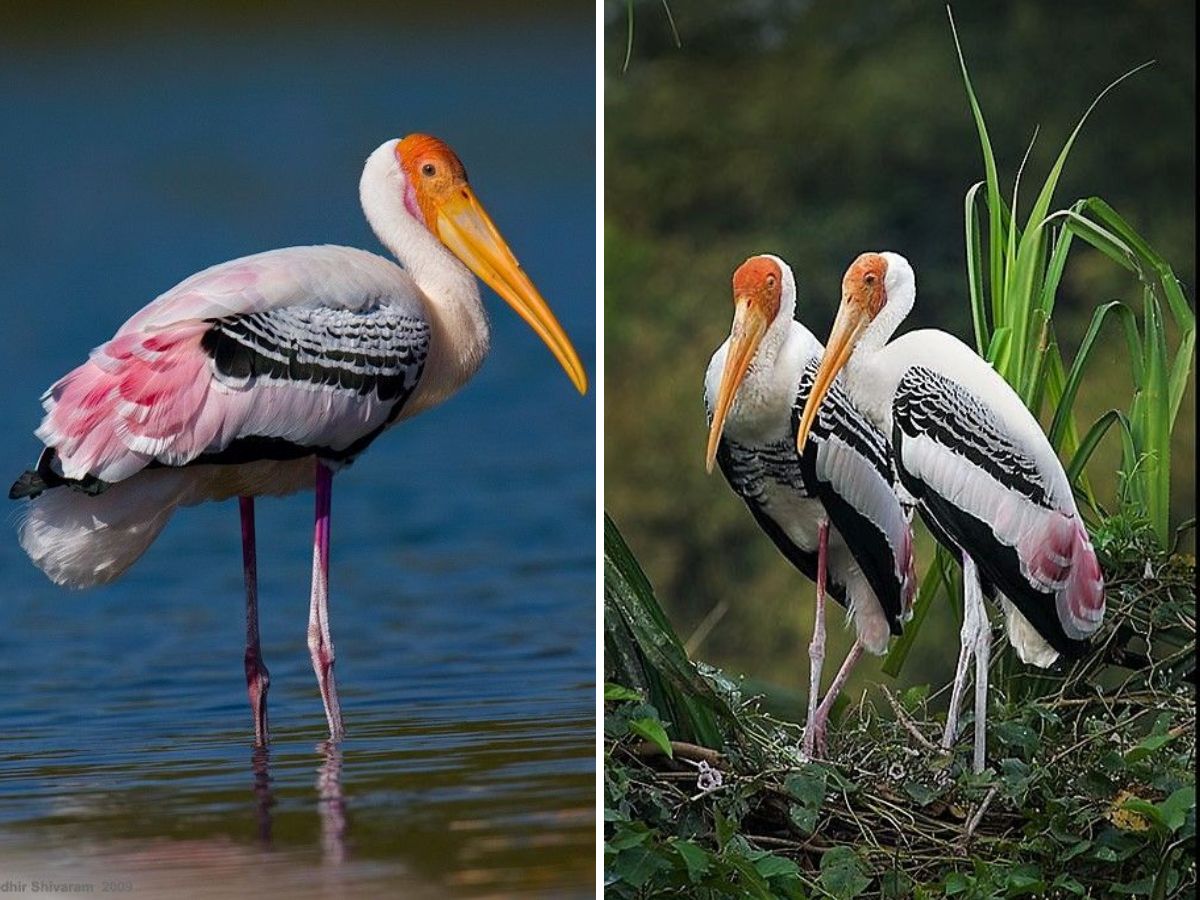
Painted Stork
With their bright orange bills, pink tertial feathers, and black-and-white wings, Painted Storks are among the most charismatic residents of Bharatpur during monsoon. They form large nesting colonies on treetops above flooded areas, often seen gracefully wading through water in search of fish and frogs. Their synchronized group flights and feeding lines are a treat to watch.
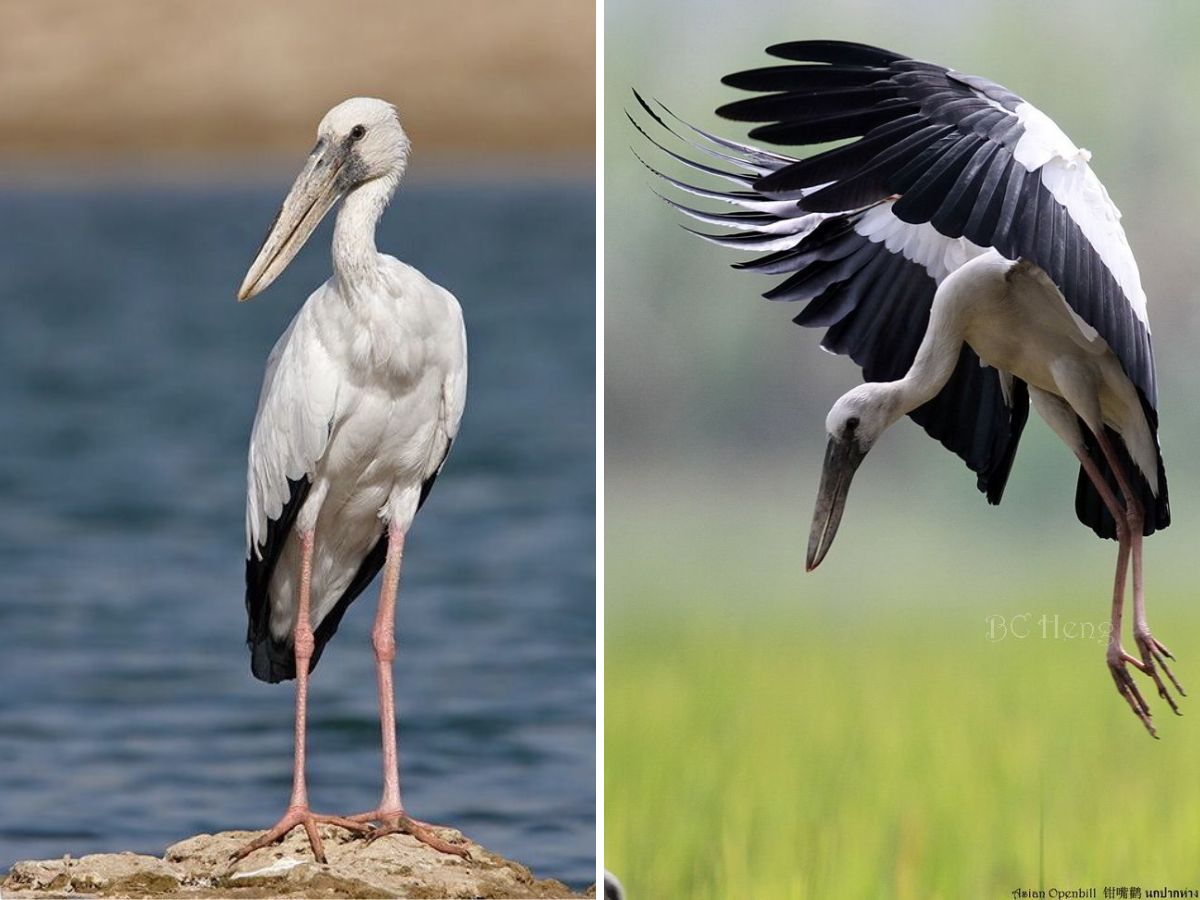
Asian Openbill Stork
Easily recognized by the distinct gap between the upper and lower parts of its bill—an adaptation for eating aquatic snails—this grey-and-white stork is most active during the rainy season. Monsoon floods bring in a bounty of mollusks, making it the perfect time to observe them foraging in shallow marshes.
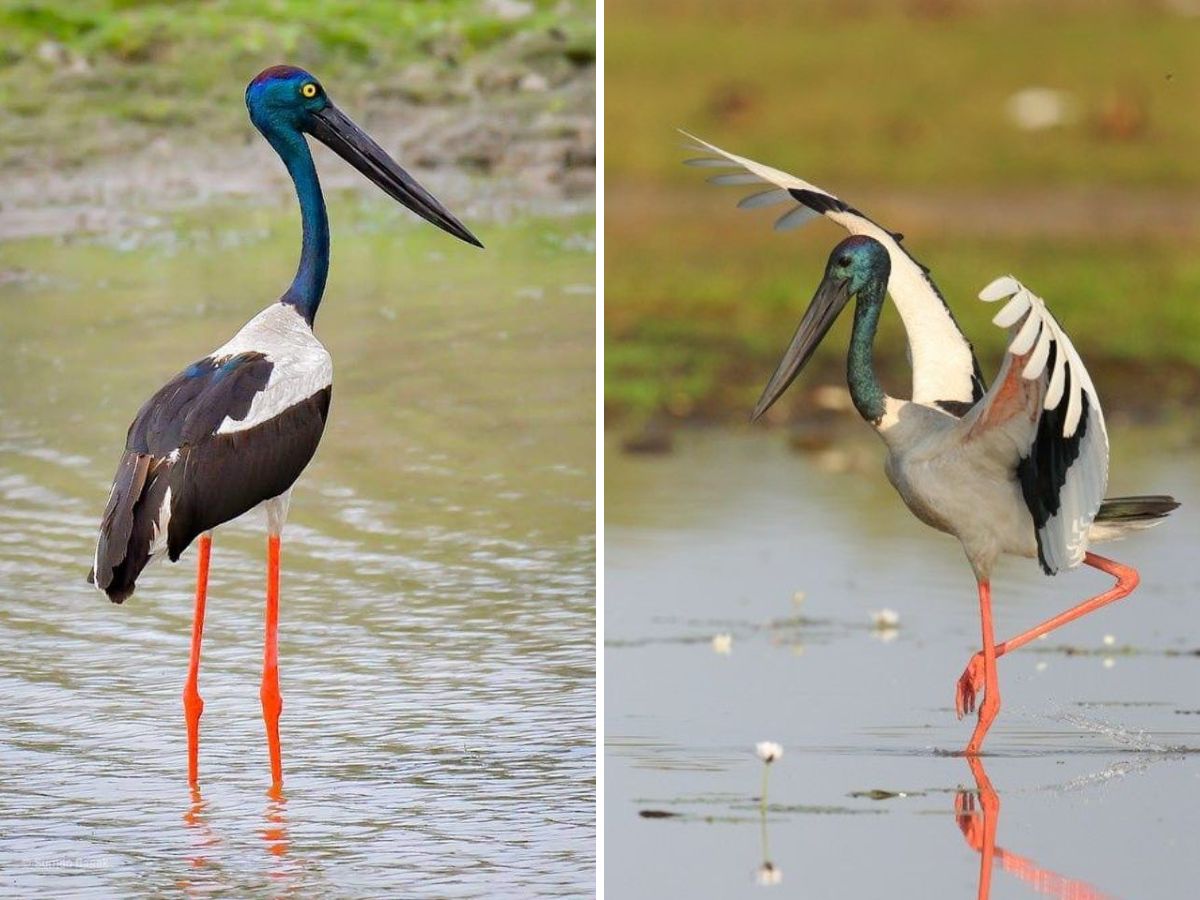
Black-necked Stork
A solitary and regal wader, this striking stork stands over 5 feet tall with a glistening green-black neck and long red legs. It prefers deeper wetlands and is harder to spot, but monsoon expands its range within the sanctuary. Watching this bird stalk through water is like seeing a dancer glide across a stage.
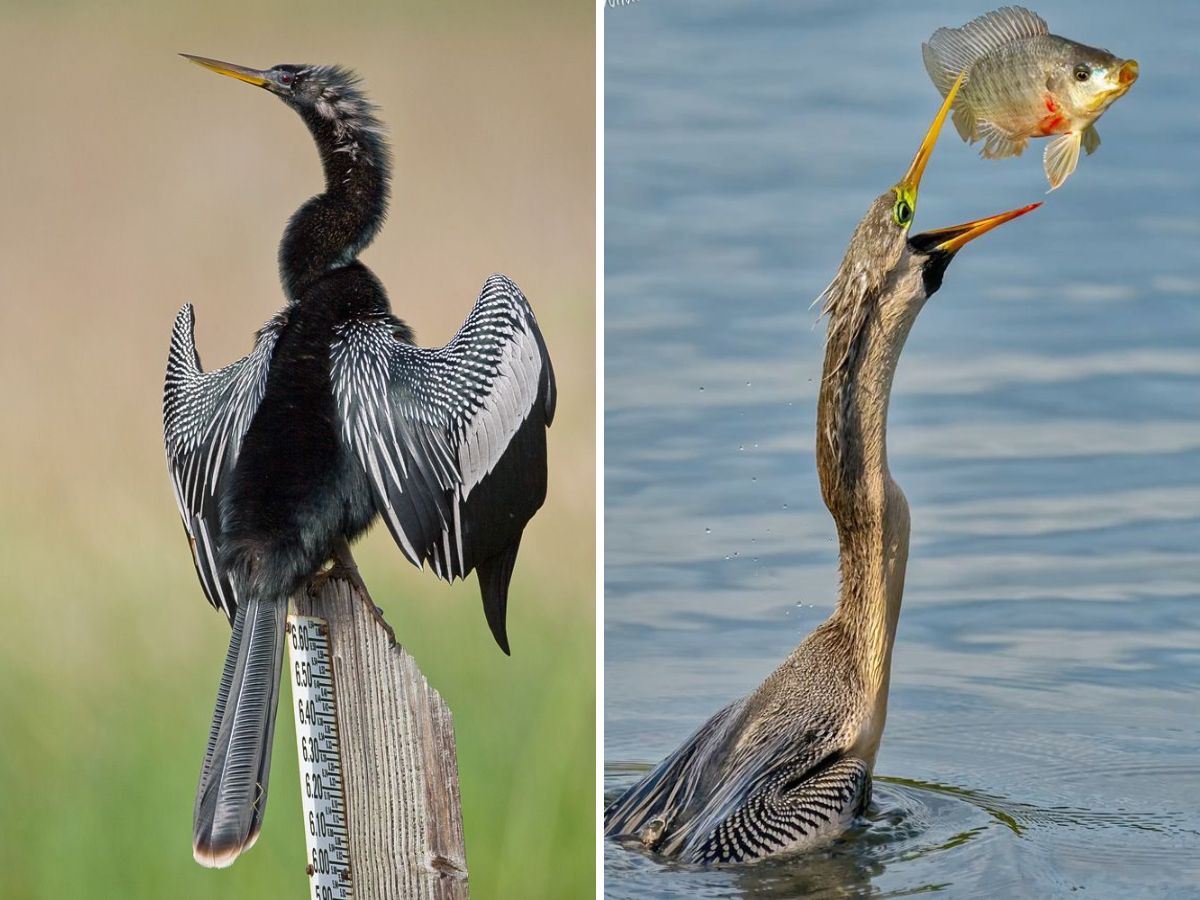
Indian Darter / Snakebird
Named for its long, slender neck that often appears snake-like when swimming, the Indian Darter is an agile underwater hunter. During monsoon, darters gather in good numbers near lakes and ponds, diving for fish and then drying their wings in a signature pose—outstretched and statuesque.
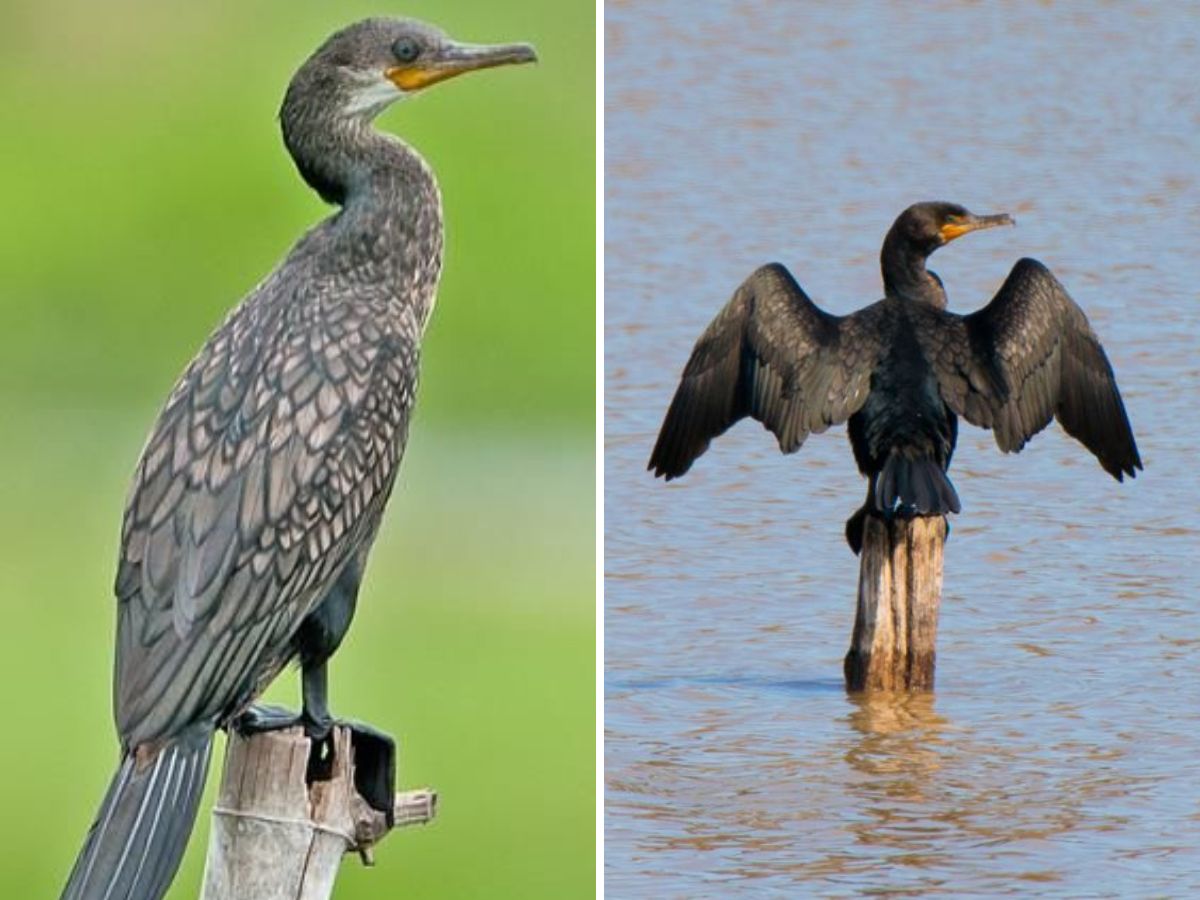
Little & Indian Cormorants
These glossy black waterbirds are ubiquitous in monsoon-flooded Bharatpur. Excellent divers, they chase fish underwater in coordinated groups. You’ll frequently see them perched on branches or bamboo poles, wings spread to dry after a successful dive.
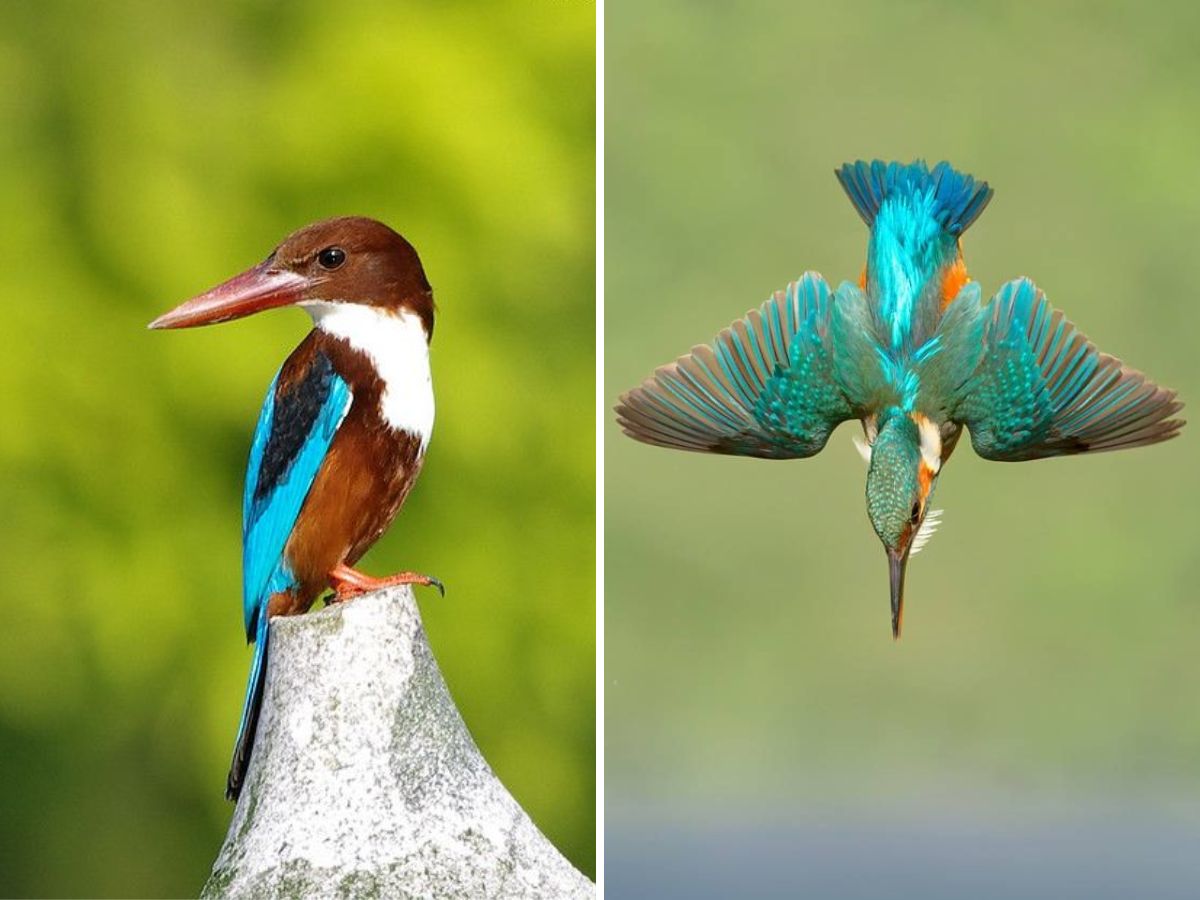
White-throated Kingfisher
A splash of electric blue with a chestnut body and a bright red bill, this kingfisher is often spotted along the sanctuary's watery trails and grassy banks. Though common year-round, they become especially active during the monsoon, hunting insects, frogs, and even small lizards with bold swoops.
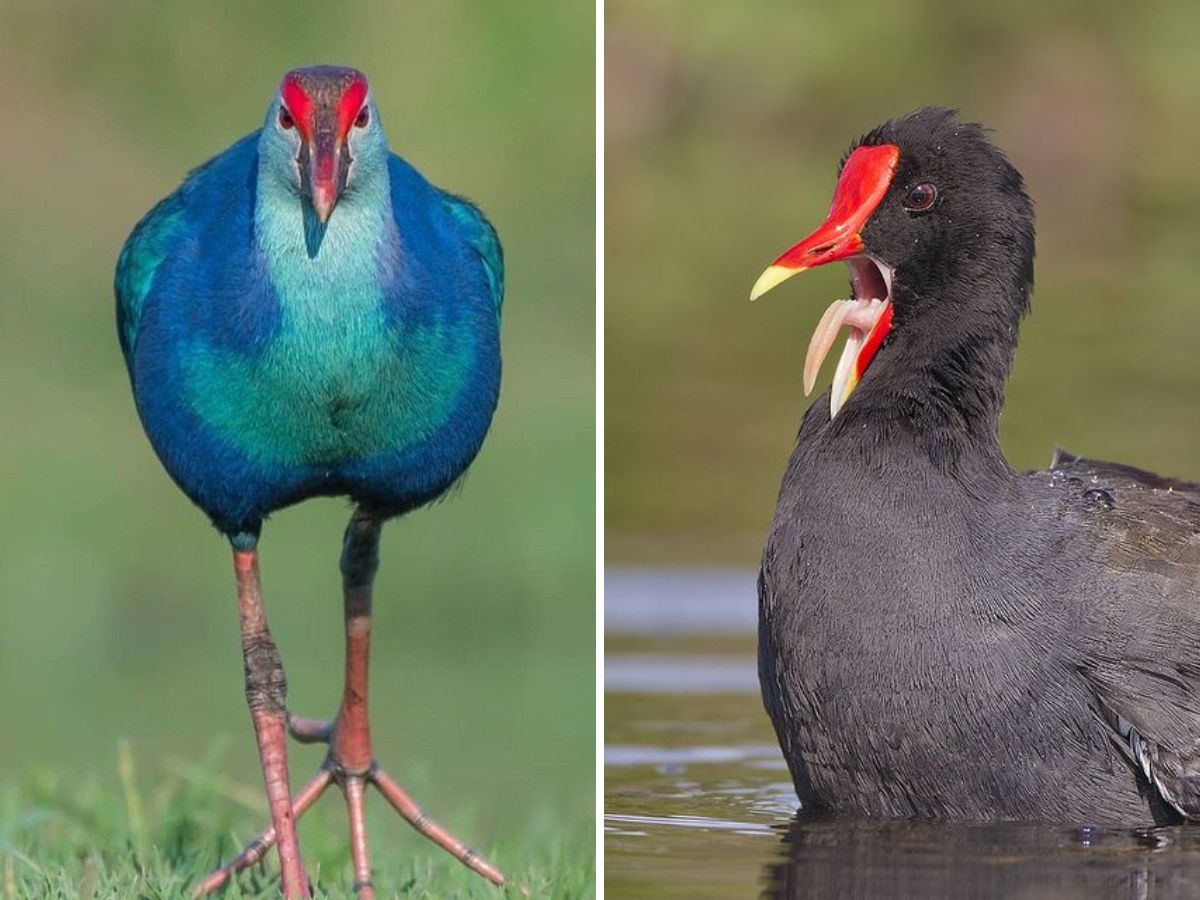
Common Moorhen & Purple Swamphen
These colorful waterbirds thrive in Bharatpur’s flooded reed beds during monsoon. The Common Moorhen is blackish with a red frontal shield, while the Purple Swamphen flaunts rich purples and blues. They’re often seen walking delicately on floating vegetation, feeding on aquatic plants and insects, or engaging in loud territorial squabbles.
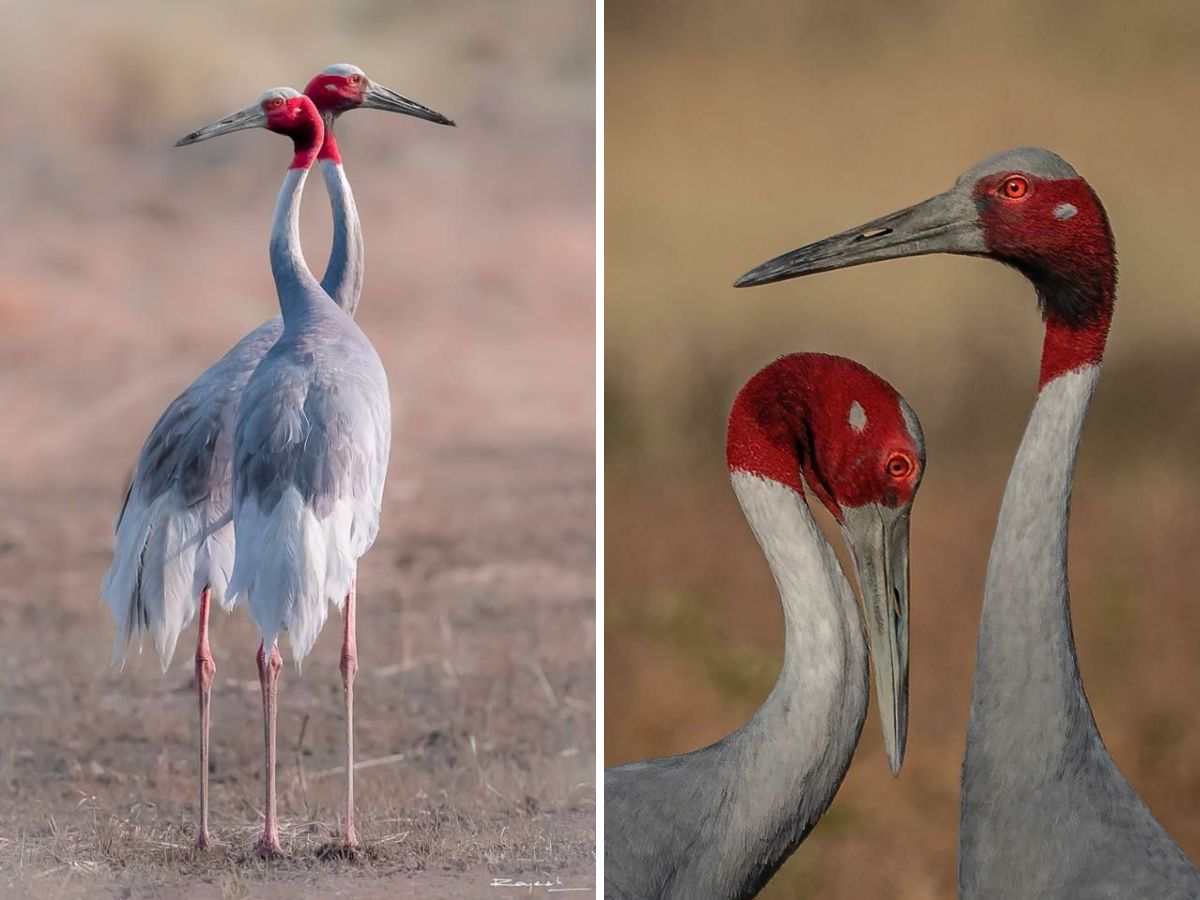
Sarus Crane
India’s tallest flying bird and a symbol of eternal love, the Sarus Crane is an iconic monsoon resident at Bharatpur. Graceful and elegant, they’re often seen in pairs, performing elaborate mating dances in waterlogged fields. Their bugle-like calls echo across the sanctuary, especially during early mornings.
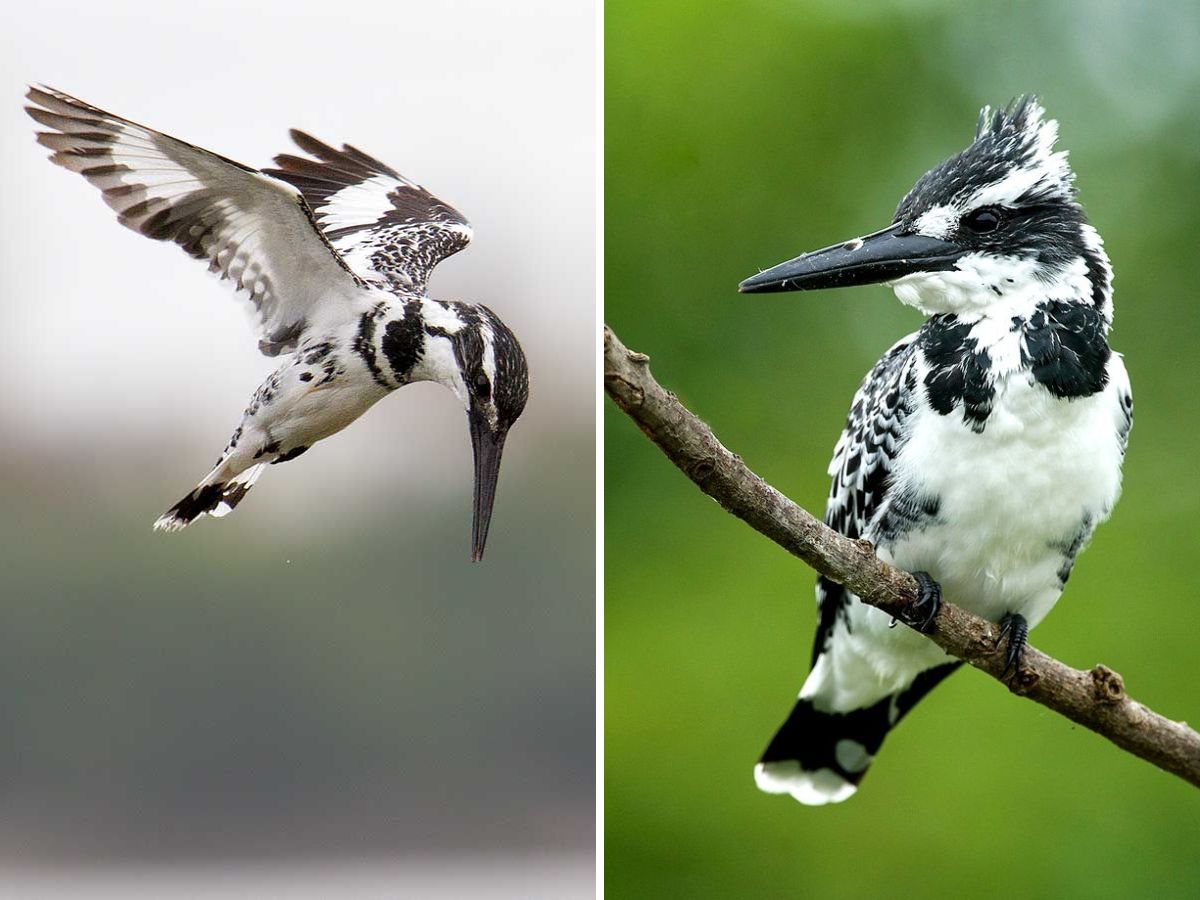
Pied Kingfisher
A medium-sized black-and-white kingfisher known for its hovering flight before a sudden dive into water. These energetic birds are highly photogenic and commonly seen near clear pools or canals inside the sanctuary. Their presence increases during monsoon due to plentiful fish and nesting spots along embankments.
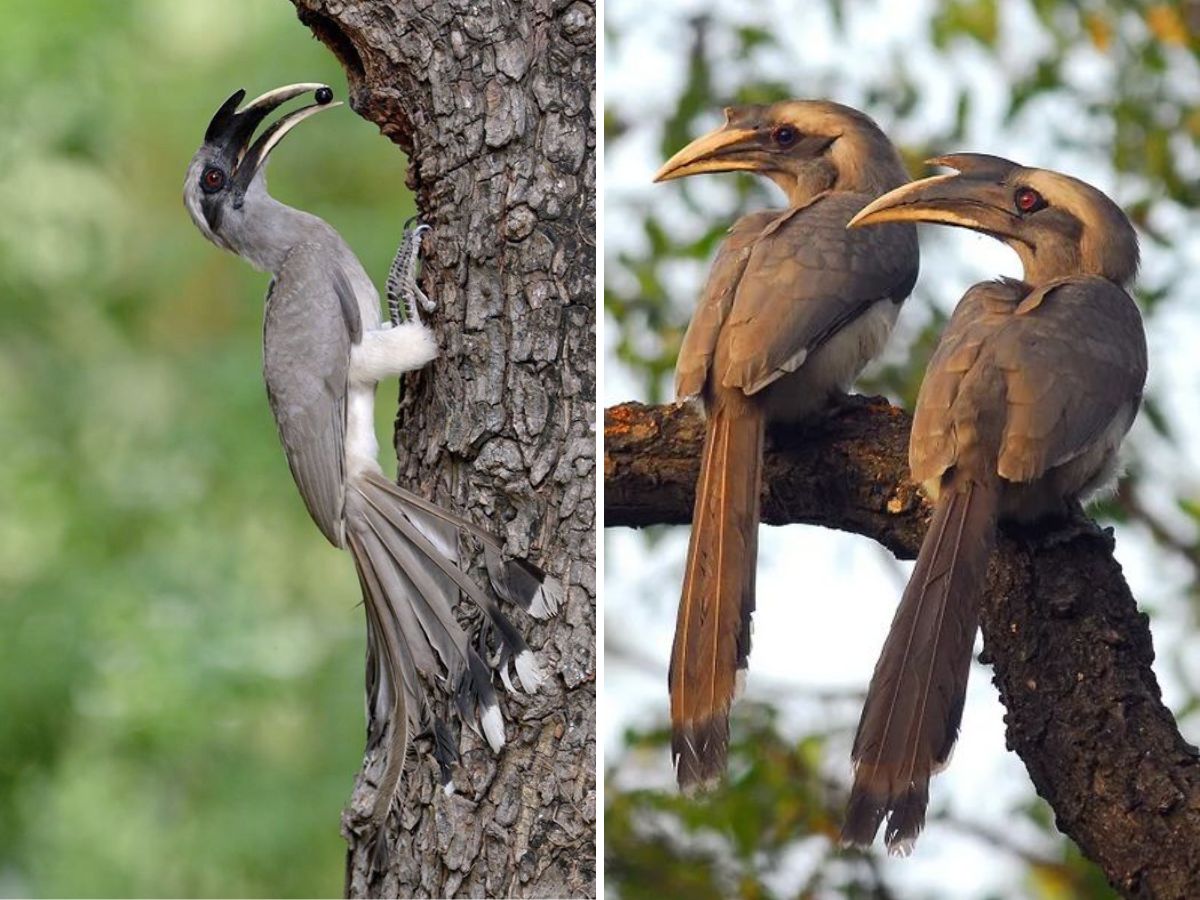
Indian Grey Hornbill
Though more commonly associated with dry deciduous forests, the Indian Grey Hornbill is a year-round resident in Bharatpur and particularly vocal during the monsoon breeding season. Their loud, cackling calls and distinctive flight—bounding with short glides—make them easy to identify even through dense foliage.




