
In The Spotlight: How IAS Officer Tina Dabi’s Rise To Fame Became Entwined With Controversies
IAS officer Tina Dabi has remained a prominent figure in public discourse ever since she topped the UPSC Civil Services Examination in 2015, a moment that instantly propelled her into national limelight. Over the years, her administrative postings in Rajasthan and visible presence in governance have kept her in constant public focus. However, alongside her professional achievements, a series of controversies and social media debates have intertwined with her rise, shaping how she is perceived beyond her role as a civil servant.
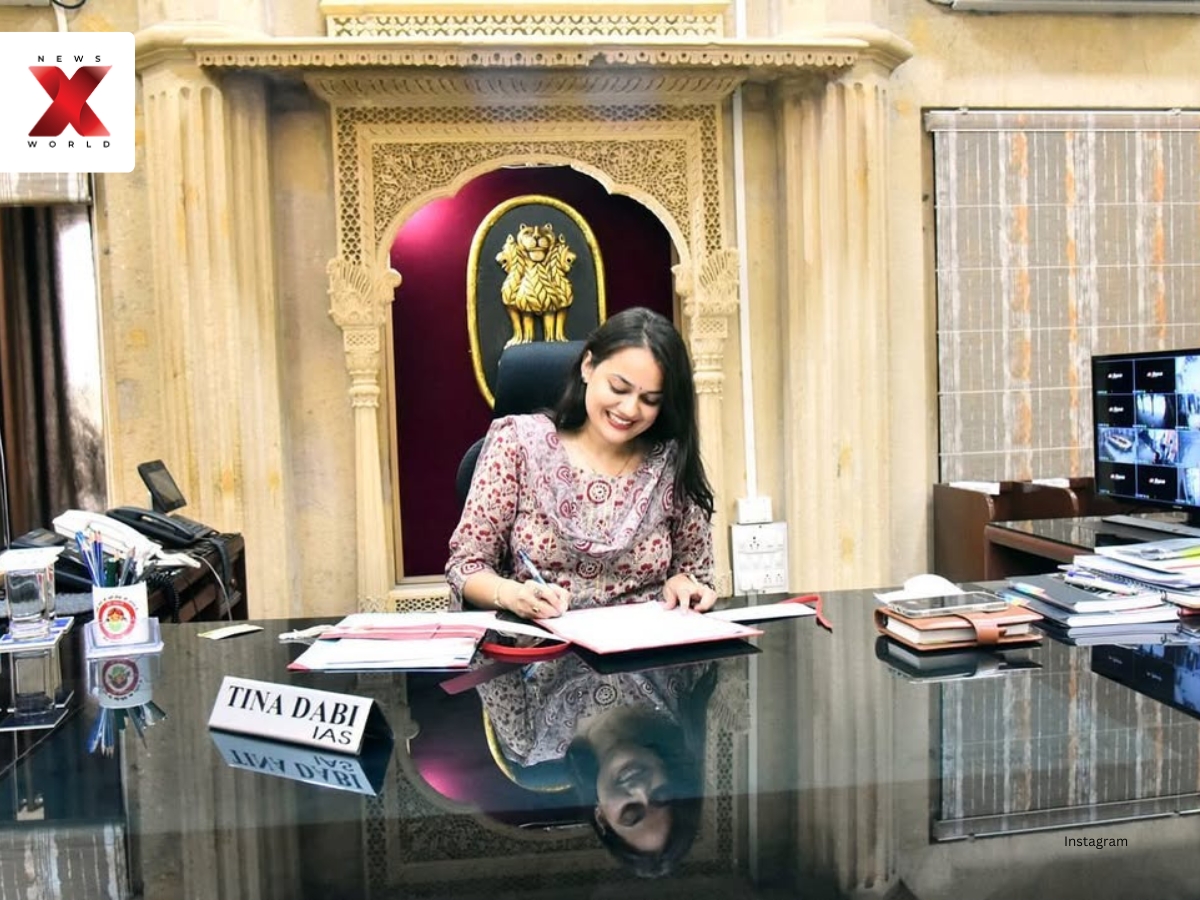
Early Fame and High Expectations
Tina Dabi’s UPSC success brought her instant recognition and immense public attention. As a young officer, expectations from her administrative career were unusually high. This early fame ensured that her actions were closely watched from the very beginning.
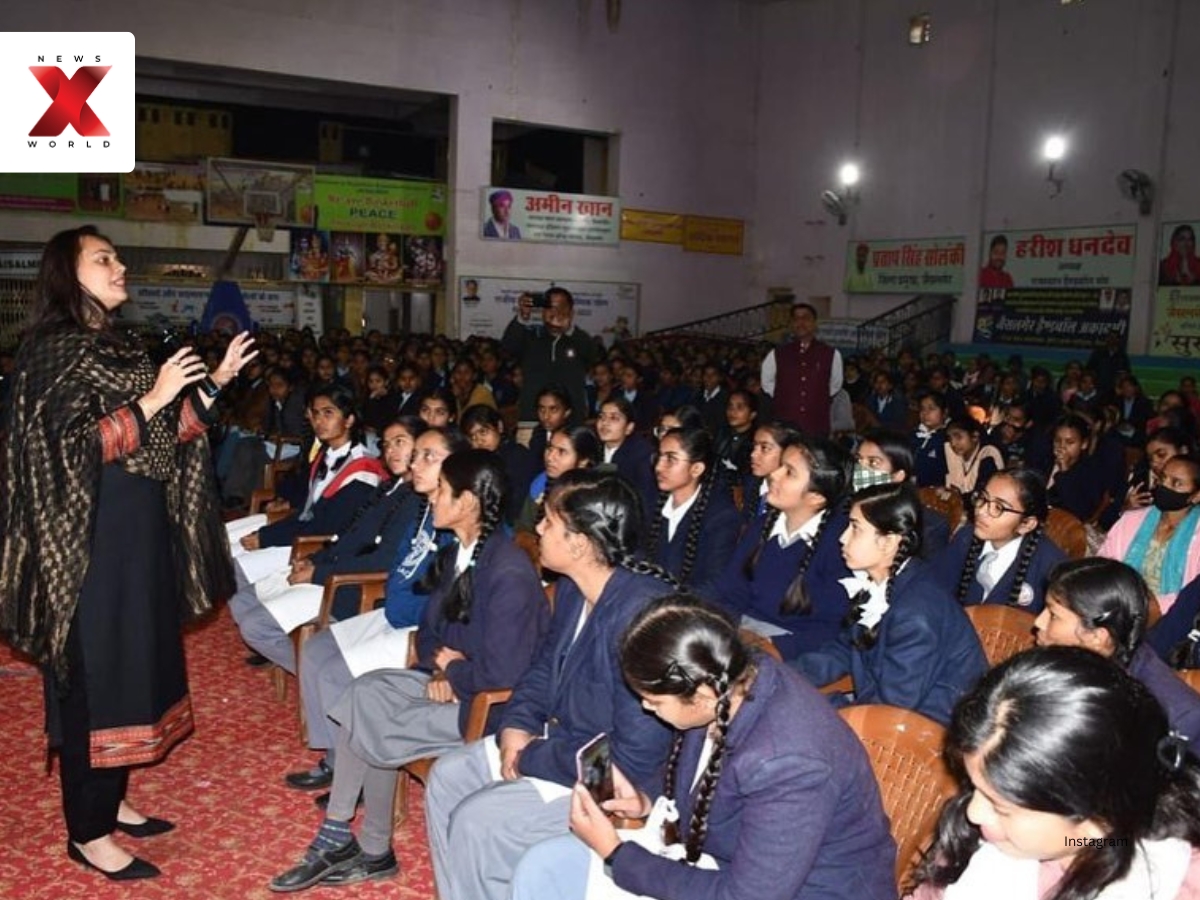
Social Media Scrutiny
Dabi has frequently found herself at the centre of social media discussions, often for reasons beyond her official work. Fake profiles and misleading posts attributed to her sparked confusion and controversy. These incidents highlighted the challenges public servants face in the digital age.
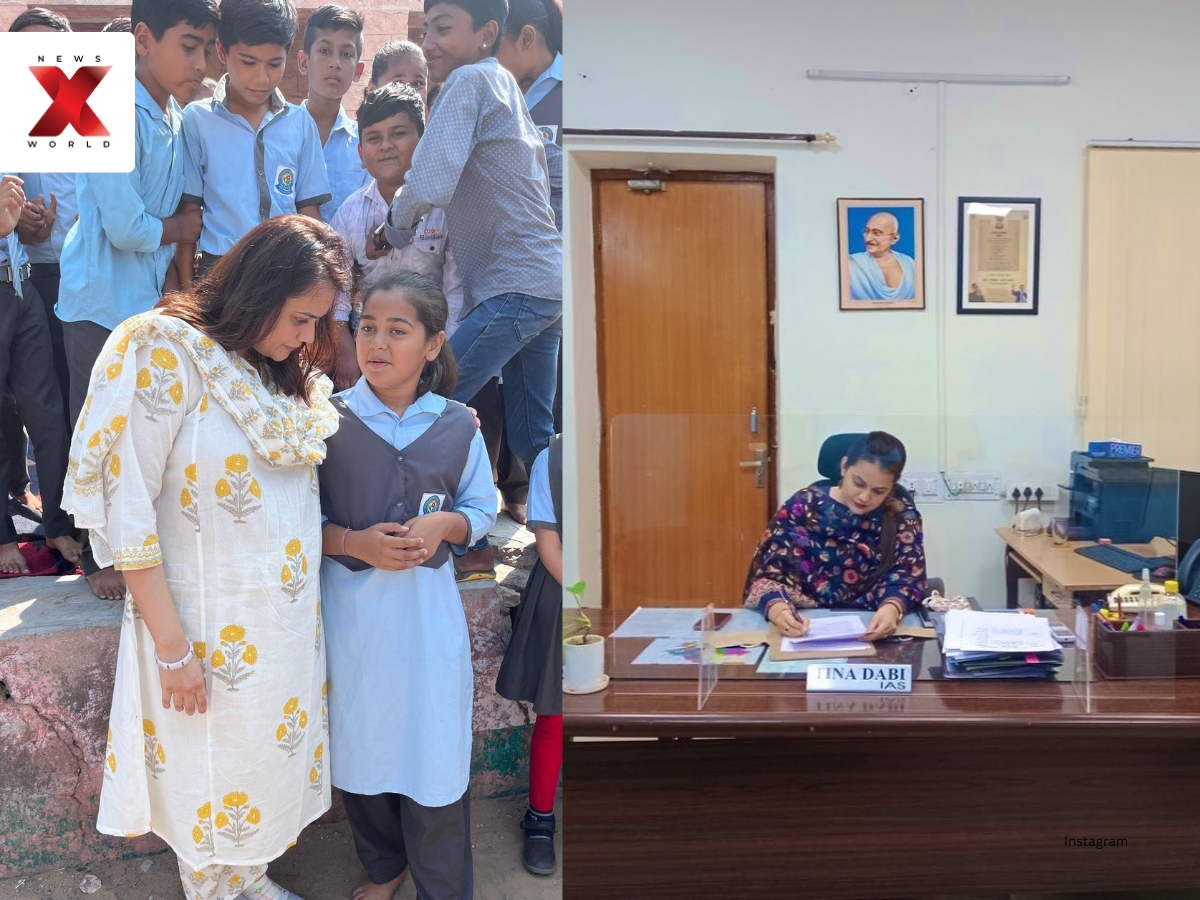
Administrative Style Under Debate
Her approach to governance, particularly during inspections and public interactions, has drawn mixed reactions. Supporters view her as firm and disciplined, while critics argue that her methods invite unnecessary attention. Such debates have kept her leadership style under constant scrutiny.
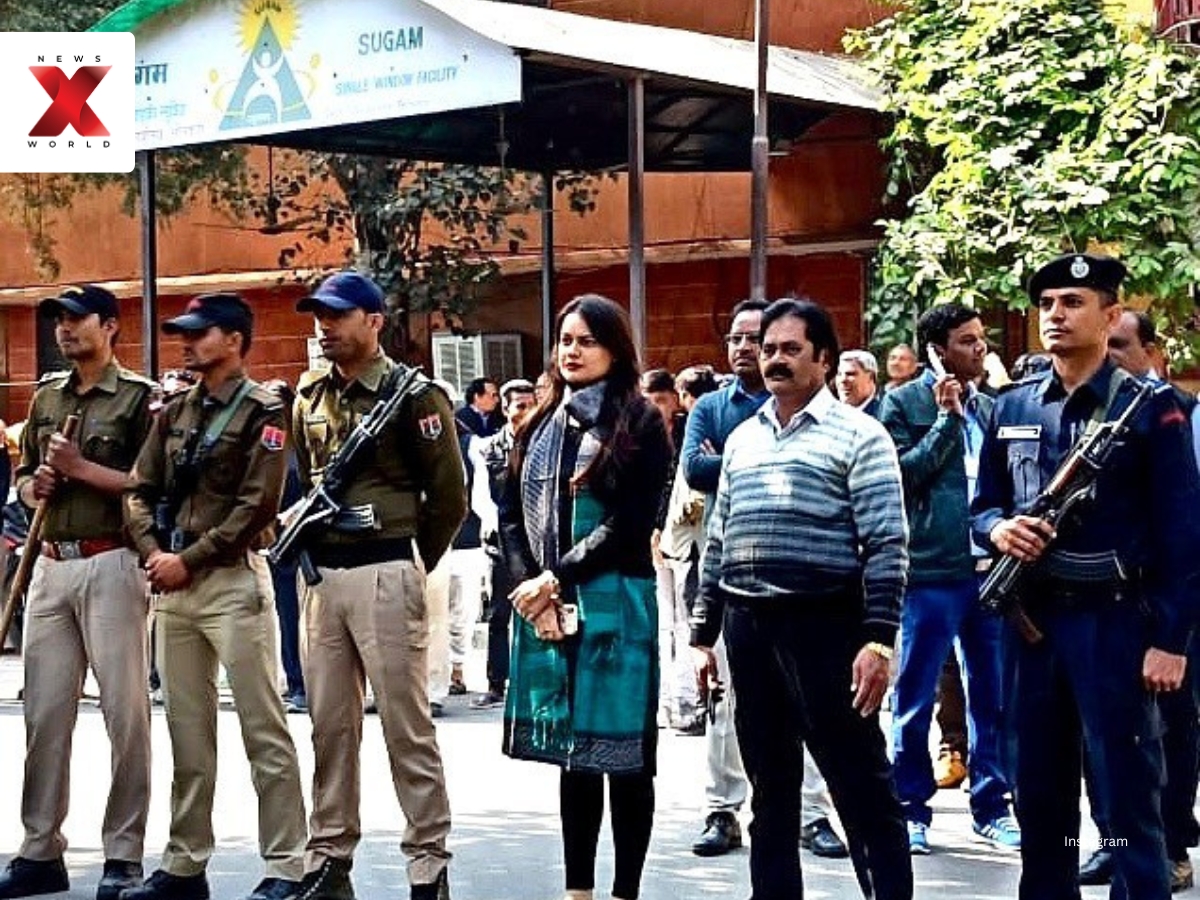
Student Protests and Public Remarks
The Barmer college fee protest brought her back into the spotlight when a remark by student leaders triggered police action. The incident reignited discussions around freedom of expression and administrative response. It also underscored how quickly local issues can escalate into national conversations.

Personal Life in Public Discourse
Dabi’s personal choices have often been discussed in the public domain, blurring the line between private life and public role. Social commentary around these matters reflects broader societal debates rather than her official conduct. Despite this, she continues to perform her duties amid sustained attention.




