
Do You Know Why Fighter Jets Are Painted Grey?
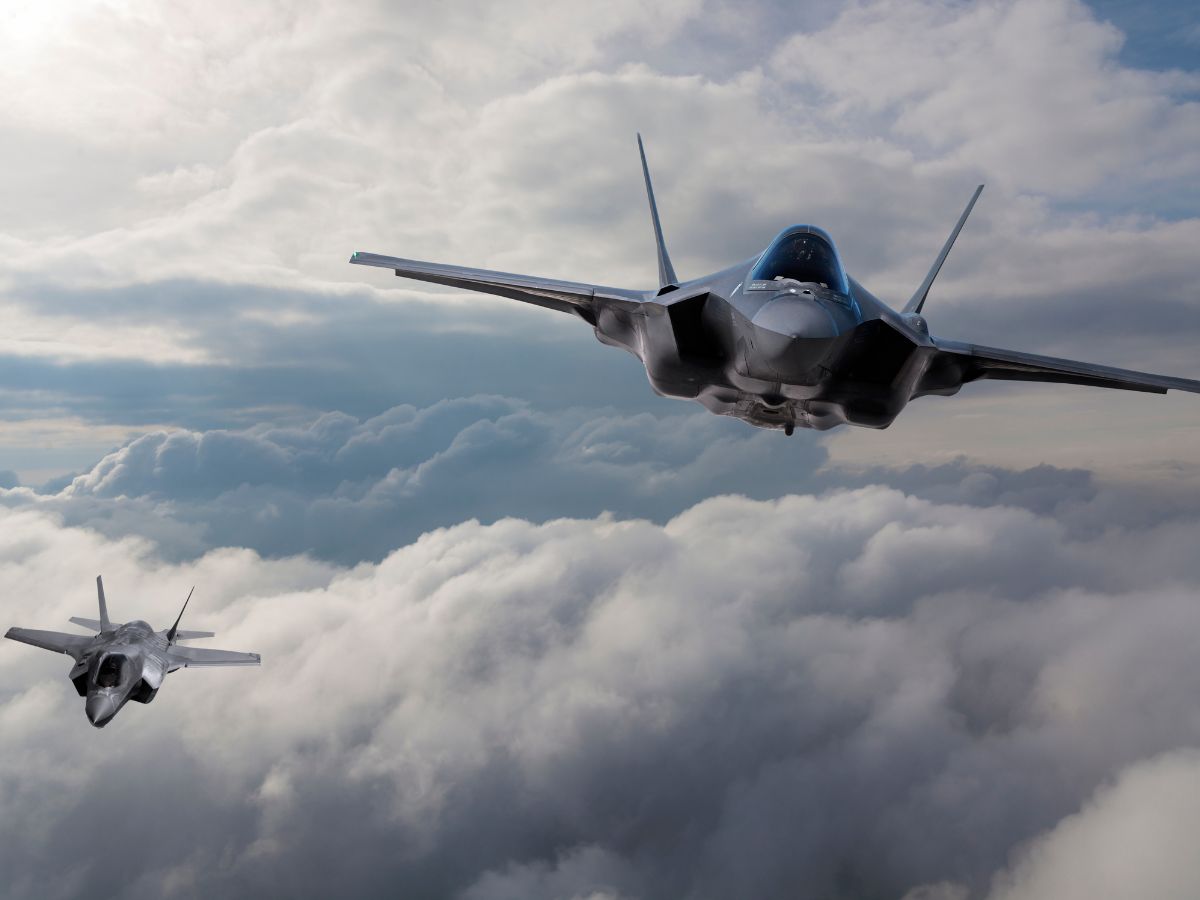
Check why fighter jets are painted grey primarily for visual camouflage, blending with the sky and clouds to avoid detection. Grey paint also reduces radar signature, aids heat management, and adapts to diverse environments. Historically rooted in World War I, grey remains standard due to stealth technology integration and operational benefits like lower maintenance costs and enhanced survivability. This color helps jets evade radar, infrared, and ultraviolet detection, making it essential for modern combat effectiveness and mission success.
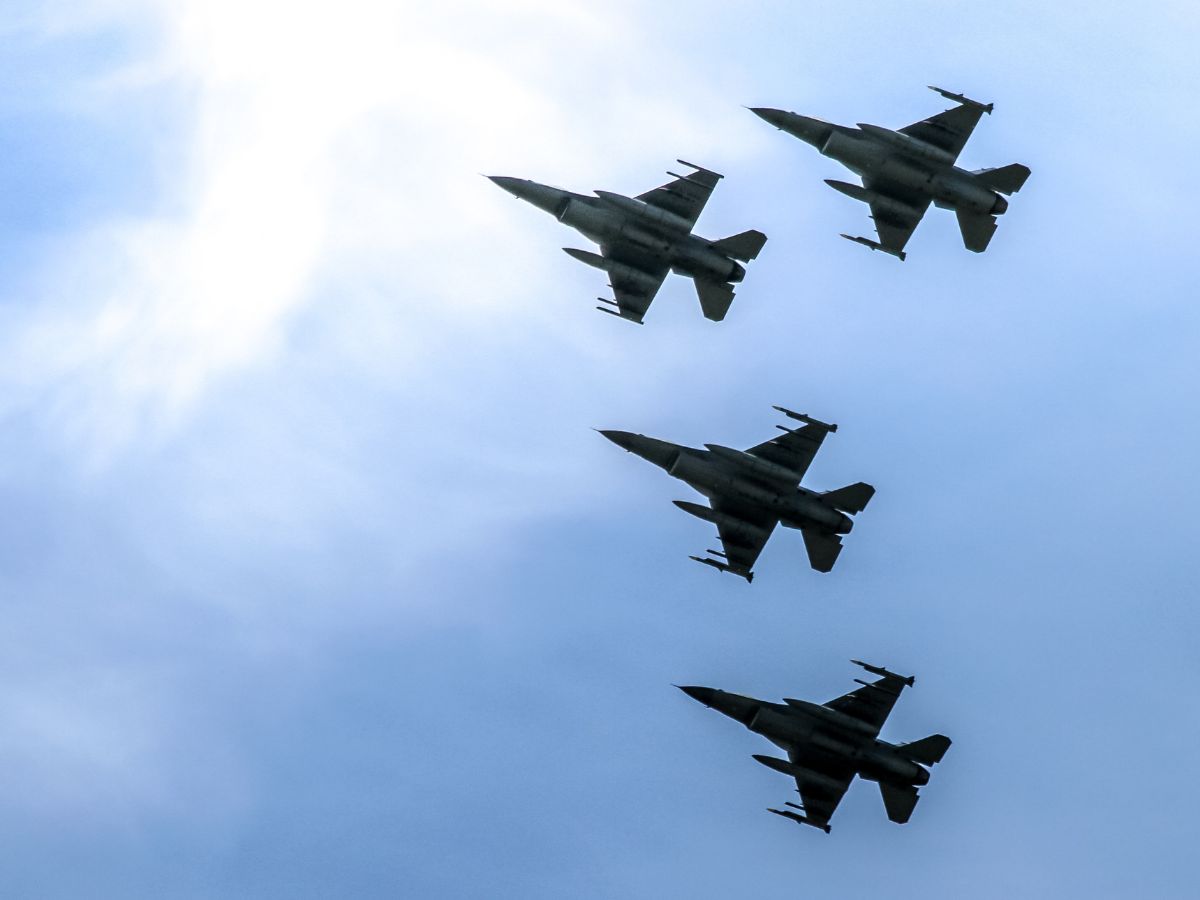
Visual Camouflage
Grey is like the pre-martial color that blends jets into the sky, thus increasing the difficulty of enemy observers in the visual identification of jets.
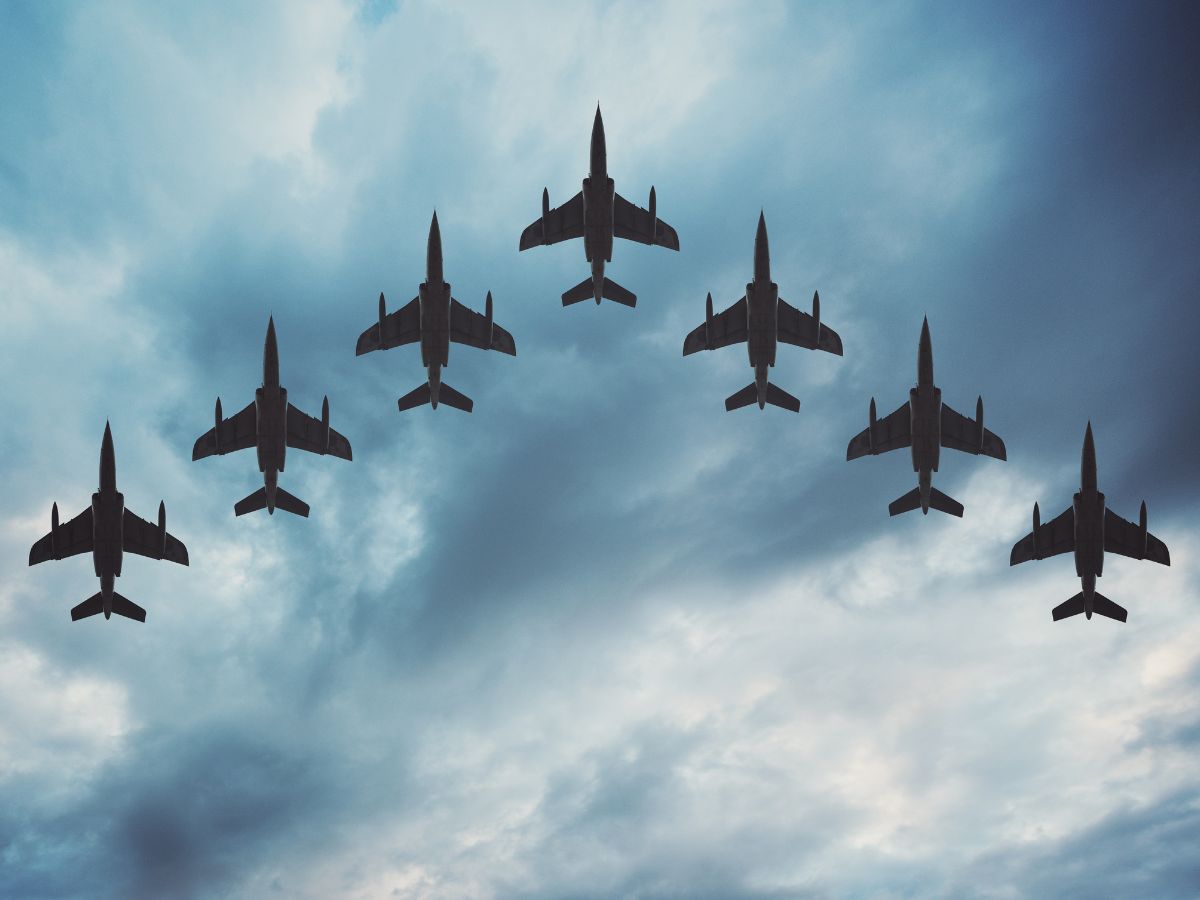
Radar Absorbing Effect
Grey paints often absorb radar waves, thus reducing aircraft radar signature and offering better covert tracking and detection for the enemy.
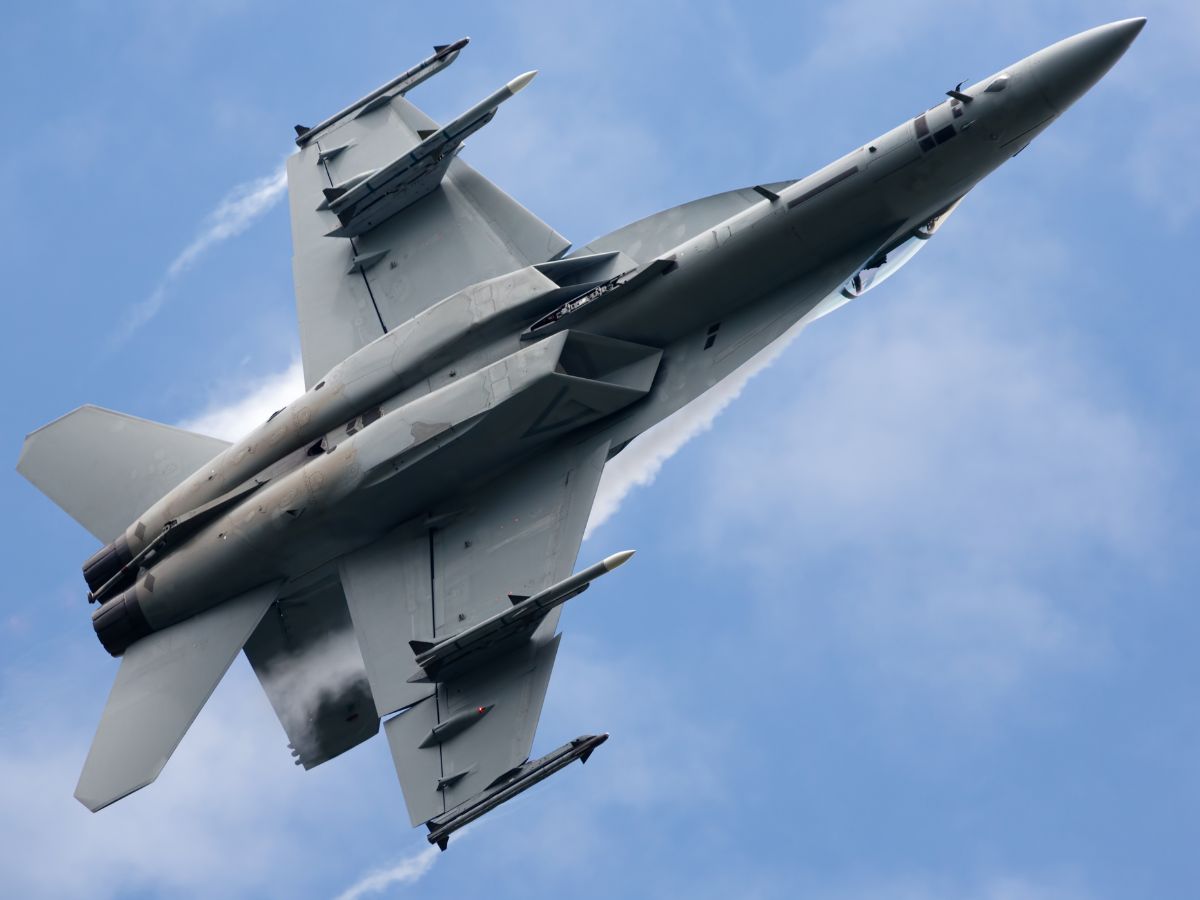
Heat and Light Management
The gray paint reflects sunlight well and balances aircraft surface temperature by protecting sensitive equipment and keeping a low infrared signature, which aids in survivability.
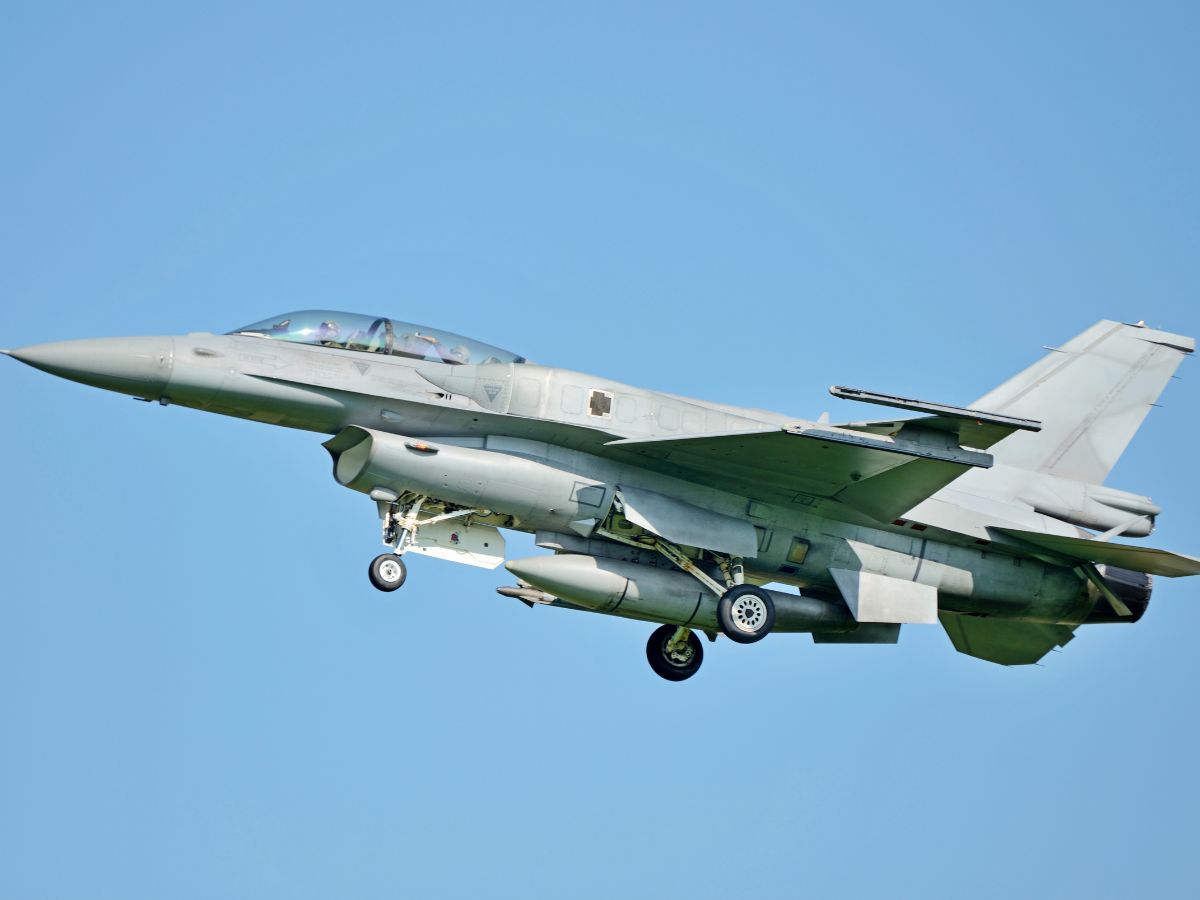
Environment-Adaptive
Grey tones conceal well over sea, land, and mountains, which means they offer camouflage across widely differing backdrops that change both with altitude and with landscape features.
History of Grey Camouflage
The usage of grey camouflage began with the First World War, with pilots realizing it aided jets in evading ground-based and aerial threats during operational missions.
Advantages
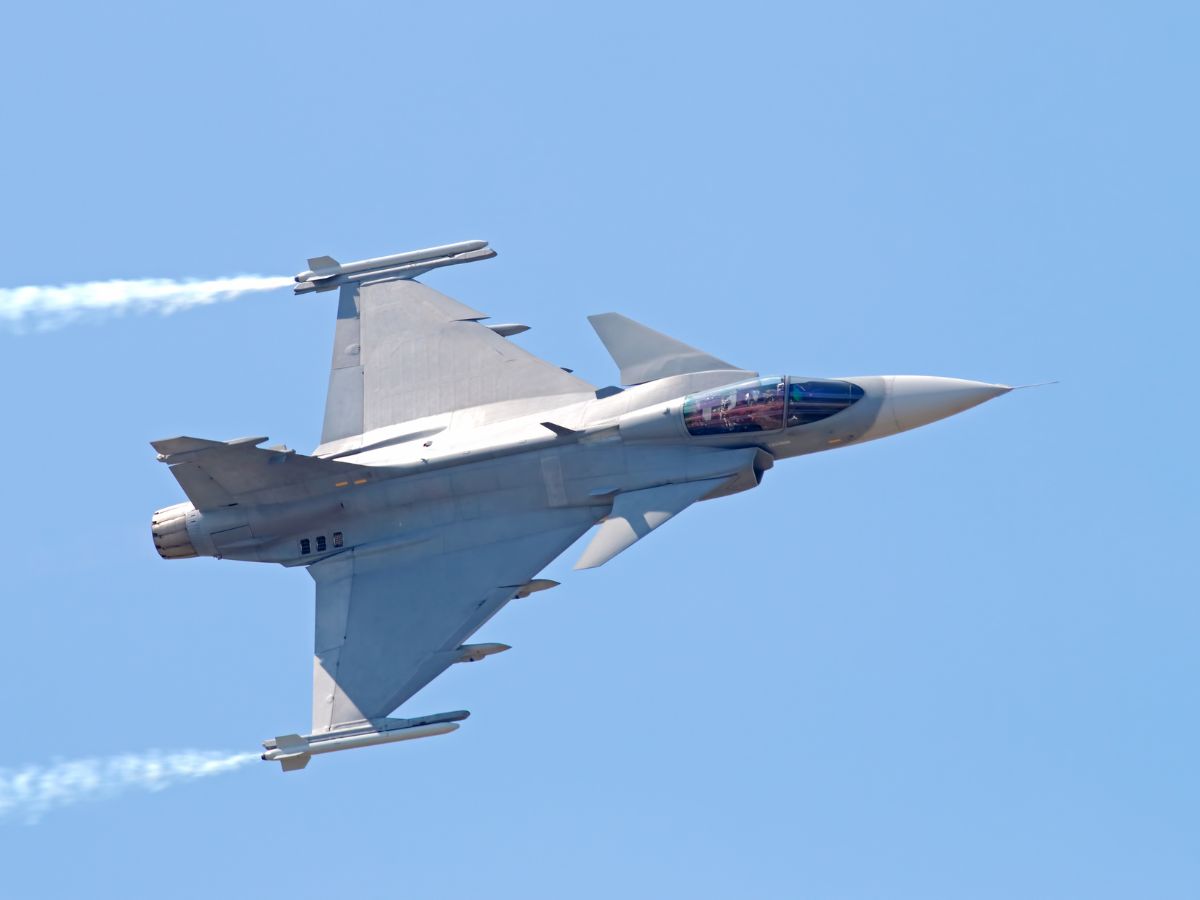
Grey paint improves the chances of survival of an asset, lowers maintenance costs, diminishes visual and radar detection, and thus serves multiple worldwide missions in different profiles.




