

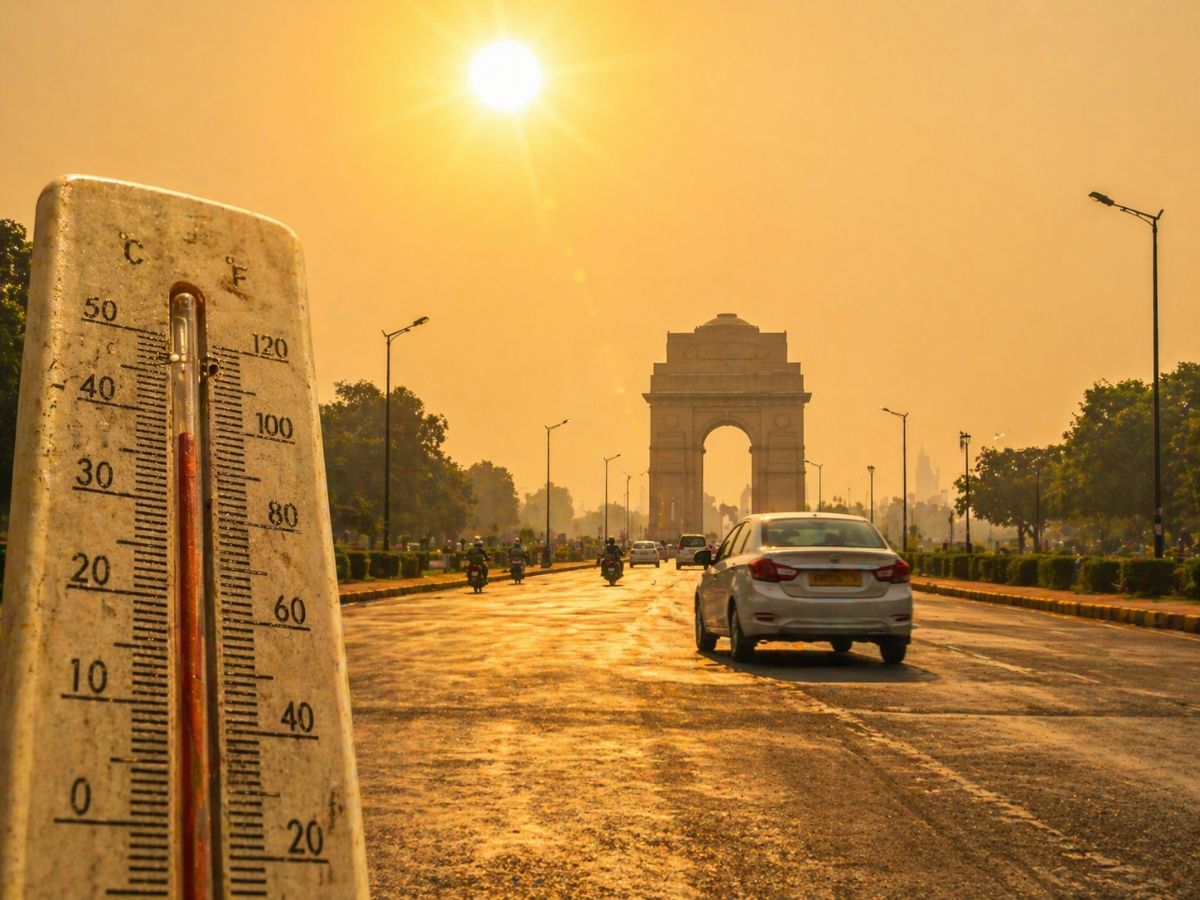
Delhi temperature update: On Wednesday, there was another intense heat wave hitting Delhi, with the maximum reported temperature was 40.7 degrees Celsius. The sharp increase in the maximum temperature from the previous day of 38.8 degrees indicates that there has been a significant increase in temperature levels and progression towards peak summer.
For example, on Wednesday, the maximum temperature was 40.7 degrees Celsius at the Safdarjung Base Station, which is the main weather station in Delhi. That temperature was just over 3 degrees higher than what it typically is for this time of year. This is a huge jump from Tuesday’s max temperature of 38.8 degrees Celsius.
Delhi temperature rises sharply across city as heat intensifies
Across other sections of the National Capital Region, there were reports of even higher temperatures; the Ridge Station recorded the maximum temperature of 42.1 degrees Celsius on Wednesday, making it the hottest location in Delhi on that date. Ayanagar recorded a temperature of 41.4 degrees Celsius, so it too experienced high temperatures.
These readings show how much hotter areas within the city of Delhi are experiencing very different amounts of heat. The city’s temperature has recently increased, and daytime activities have become increasingly difficult for people trying to adapt to the heat during peak hours.
Delhi temperature expected to climb further in coming days
According to officials with the India Meteorological Department (IMD), there will be a gradual increase in heat over the next few days. A meteorologist with the IMD said, “A gradual increase of 2-3 degrees should occur within the next 3 days, with little, if any, change afterwards. Max temperatures over the next 5 days should be above normal to greatly above normal.”
The imd expects temp values in delhi to be around the low to mid 41-43 (c) on thurs with highs going to mid 42-44 with highs continuing through Friday and Saturday, so a yellow alert was issued to warn the public about heatwave conditions being isolated in the city.
Delhi temperature nearing heatwave criteria as a warning is issued
According to guidelines set down by the Indian Meteorological Department, a heatwave is defined as when the maximum temperature reaches at least 40°C and is more than (4.5°C) above the average normal value. The second definition for heatwaves is when the temperature touches or goes over 45°C. According to previous years’ data and the current data, delhi temperature has already crossed 40°C; therefore, it is getting closer to these two definitions of heatwaves.
What is interesting this year, however, is that even though the temperature has continued to increase, Delhi has not had any official heatwave days yet in April. The Times of India reported that there were three heatwave days during the second week of April in 2025, while in 2024 and 2023, there were also zero recorded heatwave days in April. In April 2022, however, Delhi had 11 official heatwave days.
Delhi temperature trends show rising nights and changing patterns
On Wednesday, the minimum temperature was 21.6°C, which is about one degree below the average. Expect significant changes next week as the Delhi nighttime temperature will continue to increase.
According to forecasts, the lowest nighttime temperatures might rise to about 27 degrees Celsius by Sunday, which will likely mean warmer nights, resulting in a lower level of relief from the heat. The continued increase in temperature in Delhi, along with the more humid conditions, will likely make it less comfortable for the people of Delhi.
Delhi temperature surge impacts air quality and daily life
The air quality index (AQI) reached 216 on Wednesday, indicating that air quality was at a ‘poor’ level. This represents a decrease from the ‘moderate’ level of 177 that was reached on Tuesday.
It is expected, according to the forecast, that the AQI will stay in the ‘poor’ level on Thursday and may possibly rise into the ‘moderate’ level on Friday. The increase in temperature and decrease in air quality in delhi may lead to increased difficulty for those wishing to go outside, especially those at risk like young children or older adults.
Khalid Qasid is a media enthusiast with a strong interest in documentary filmmaking. He holds a Master’s degree in Convergent Journalism from AJK MCRC. He has also written extensively on esports at Sportsdunia. Currently, he covers world and general news at NewsX Digital.





