
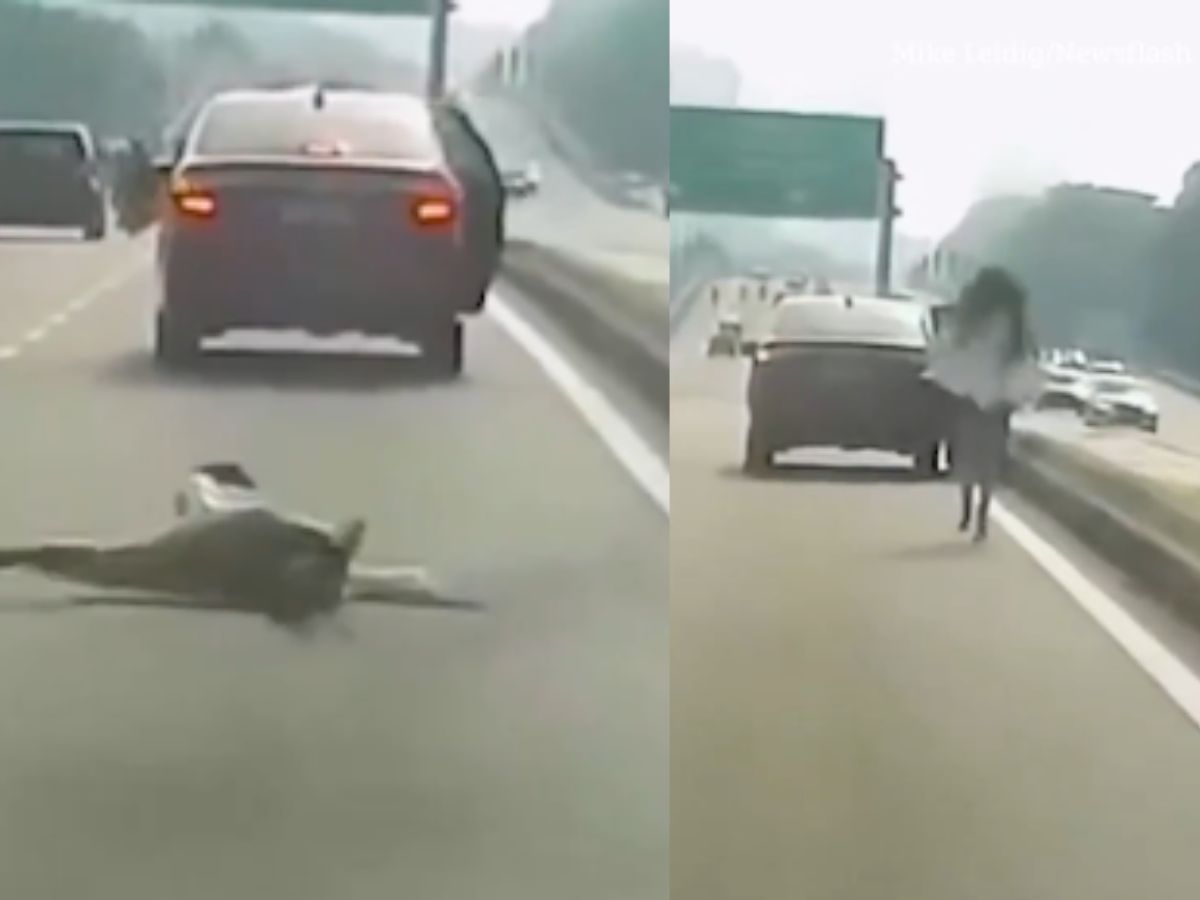

The digital age has brought a new level of visibility to the hidden anxieties of solo travel, which reached a peak during a recent dangerous incident on a Malaysian highway. The dashcam footage from May 1 showed a woman who jumped from a moving taxi into fast-moving traffic during a moment of extreme despair. The trailing motorist had to make emergency maneuvers when her personal belongings which included shoes and a mobile phone, created a hazardous situation on the asphalt. The display of “flight” through “fight” behavior shows how people think about passenger safety during their daily travels, which they see as dangerous, life-threatening events.
Navigating Hyper-Vigilance and Perceptual Passenger Threats
The incident demonstrates how solo commuters experience high psychological stress, especially women who use ride-sharing and taxi services. The passenger decided to leave the moving vehicle because the driver kept looking at the rearview mirror. Passengers who maintain constant alertness view the driver’s mirror checks as standard safety measures because they track their movements.
Moment woman leaps out of taxi onto busy road after driver ‘looked at her’ pic.twitter.com/fba4Zo2xRJ
— The Sun (@TheSun) May 5, 2026
How Fear Overrides Rational Thinking in High-Stress Situations
The misalignment of intent leads to a panic response, which creates a “closed-loop” effect. When a passenger feels trapped in a confined, moving space, the brain’s amygdala can override rational decision-making, which results in high-risk escape attempts that focus on immediate threat distance instead of actual road dangers.
Implementing Proactive Safety Protocols and Digital Oversight
The transport industry needs to progress beyond its current basic background check system because its operational needs require more advanced methods, which include complete sensory and digital monitoring. The transport apps should implement active monitoring systems that include mandatory interior audio-visual recording and “share-my-ride” telemetry that notifies third parties about unexpected route changes and emergency stops. The training program for drivers needs to include teaching operators about “passenger comfort zones,” which will help them maintain professional boundaries that prevent extreme vigilance behavior.
The industry can decrease “desperation leaps” by establishing a system that combines technical oversight with empathetic service, which also helps restore public trust in safe urban mobility systems.
A recent media graduate, Bhumi Vashisht is currently making a significant contribution as a committed content writer. She brings new ideas to the media sector and is an expert at creating strategic content and captivating tales, having working in the field from past over 10 months.




