
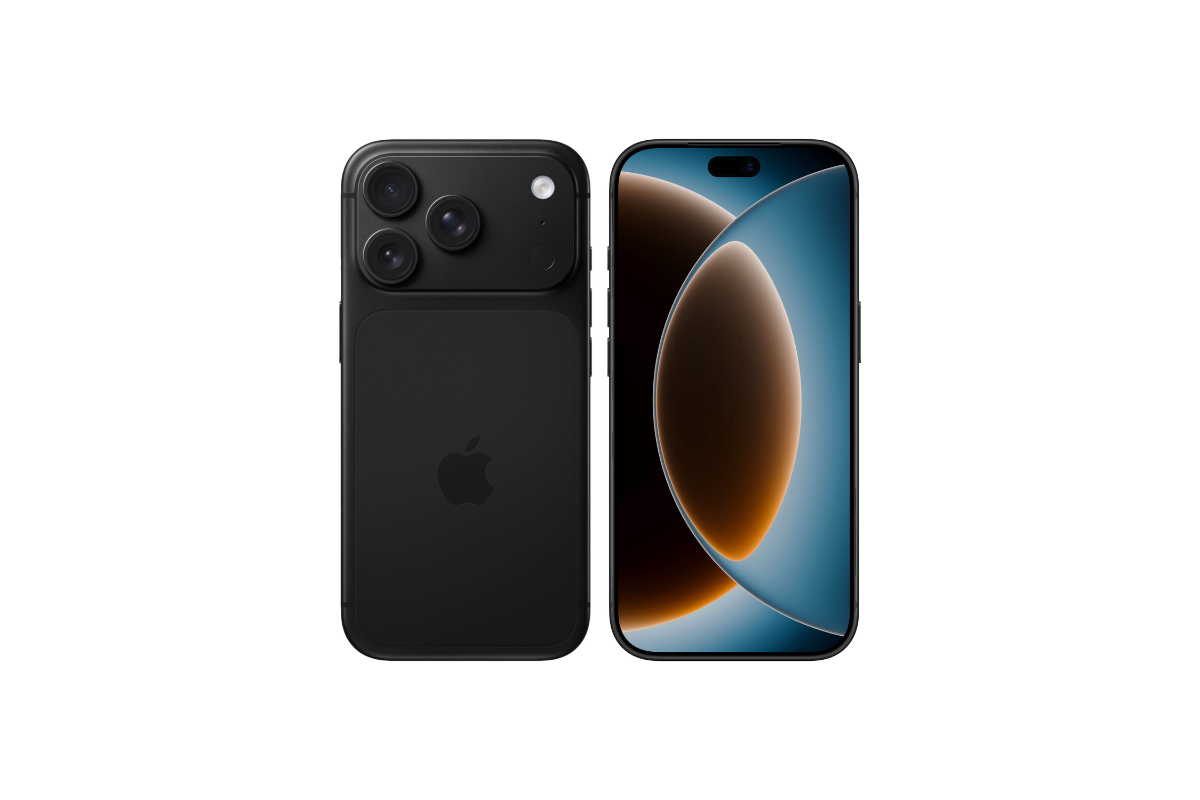
US based smartphone manufacturing giant Apple is gearing up for the launch of its next-generation flagship series, iPhone 18 Pro lineup. The lineup consists of iPhone 18 Pro and iPhone 18 Pro Max. The company will be making a bold statement with the launch, navigating a challenging landscape shaped by global RAM crisis and rising component costs. However, other tech manufacturing brands are likely to respond to this crisis with price hikes, Apple may adopt a different strategy; the media reports suggest that the company will either maintain current price points or enhance value without substantial increases.
What is the Global RAM Crisis?
RAM is getting expensive, and it is not a small problem. Memory components are harder to source right now, which means the cost of building a high-end phone is going up. Every phone maker is feeling it, but flagship devices take the biggest hit because they need faster, more capable memory to power the AI features people have started expecting as standard.
Most Android brands are likely to do the obvious thing: charge more. When your costs go up, you raise prices. Simple math. Apple, though, is apparently looking at this differently, and if the early reports hold up, it could put some real distance between Apple and the rest of the market.
Apple’s Supply Chain is Doing Heavy Lifting Here
This is where Apple’s decade of quietly building supplier relationships starts to matter. The company buys components at a scale that most competitors cannot match, and those long-standing deals mean Apple is not scrambling the same way others are when supply gets tight. When RAM is hard to find, Apple is not at the back of the queue.
The result is that Apple can absorb a cost hit that would force a smaller brand to either raise prices or cut corners. Neither is a good look. Apple, at least for now, seems positioned to avoid both.
More RAM, Better AI, Same Price
The iPhone 18 Pro Max is expected to come with more RAM than last year’s model. That matters beyond the spec sheet. More memory means the phone can run AI tasks directly on the device, without pinging a cloud server every time you ask it something. Faster processing, better photos, and your data stays on your phone. That is a genuine improvement, not a marketing line.
And if Apple pulls off delivering this without raising the price? That is a hard combination for rivals to answer.
What Apple Could Do to Add More Value
Holding the price steady is one option. But Apple has other moves available too. Higher base storage at the same starting price would go a long way. Bundling in iCloud storage or Apple One services is another route. Even a well-timed trade-in offer would shift the perception of value without touching the sticker price.
Any of these would make the iPhone 18 Pro feel like a smarter buy, even for people who watch their spending carefully.
What This Means If You Are Thinking of Buying
Been putting off an upgrade because you assumed prices would go up this year? This might be the cycle where that assumption turns out to be wrong. Nothing is confirmed yet, and September is still a few months away. But the signal coming from supply chain reports is unusually consistent: Apple is not planning to make you pay more for this one.
The company sees the RAM crisis as a gap to exploit, not a problem to apologise for. While others raise prices, Apple quietly offers more. That has always been the play, but this year the conditions are lined up particularly well for it.
Syed Ziyauddin is a media and international relations enthusiast with a strong academic and professional foundation. He holds a Bachelor’s degree in Mass Media from Jamia Millia Islamia and a Master’s in International Relations (West Asia) from the same institution.
He has work with organizations like ANN Media, TV9 Bharatvarsh, NDTV and Centre for Discourse, Fusion, and Analysis (CDFA) his core interest includes Tech, Auto and global affairs.
Tweets @ZiyaIbnHameed





