
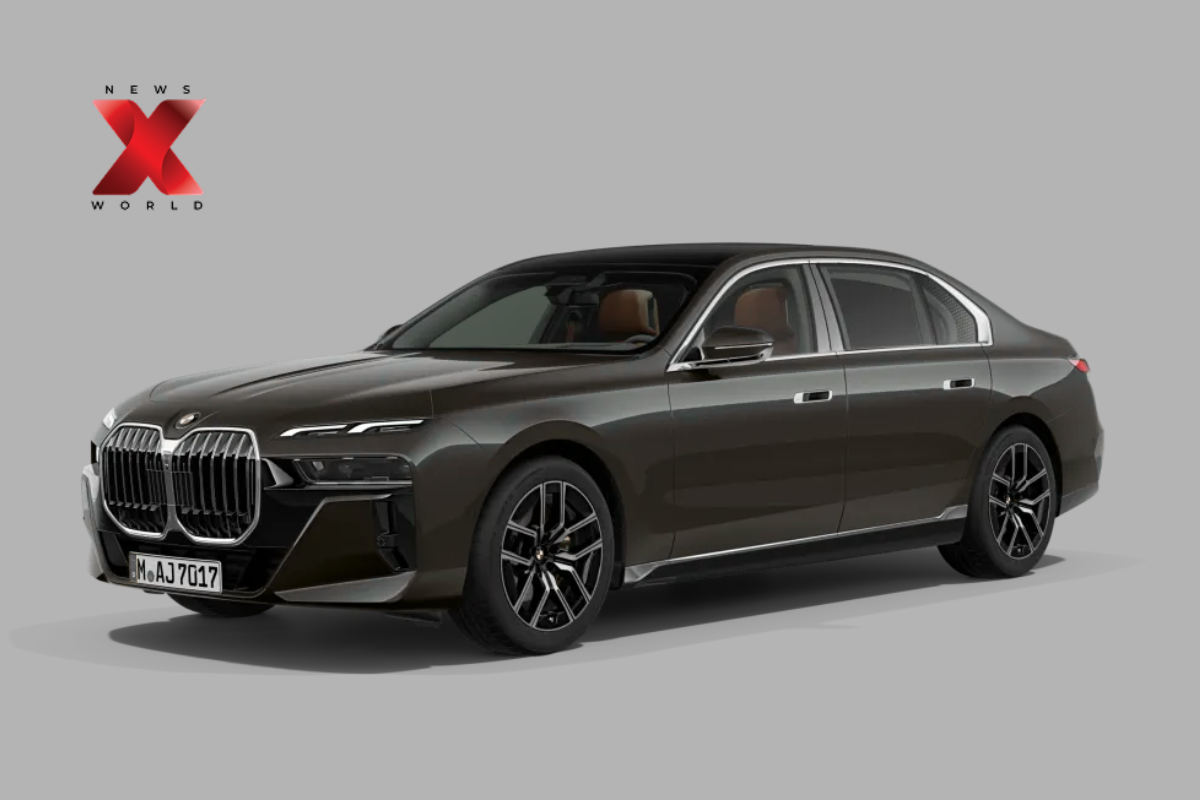

As the two countries get closer to a free trade agreement that may be signed as early as Tuesday, India intends to reduce tariffs on automobiles imported from the European Union to 40% from as high as 110%, according to sources. This will be the largest opening of the country’s enormous market to date.
Two people briefed on the negotiations told Reuters that Prime Minister Narendra Modi’s government has decided to quickly lower the tax on a small number of vehicles from the 27-nation EU with an import price of more than 15,000 euros ($17,739).
FTA Talks Reach Final Stage
According to insiders, India plans to lower tariffs on cars imported from the European Union from as high as 110% to 40% as the two nations get closer to a free trade agreement that could be completed as early as Tuesday. This will be the biggest opening of the vast market in the nation to date. Prime Minister Narendra Modi’s government has decided to swiftly reduce the tax on a limited number of vehicles from the 27-nation EU with an import price of more than 15,000 euros ($17,739), according to two people briefed on the negotiations who spoke to Reuters.
‘Mother of All Deals’ and Auto Market Impact
The conclusion of the lengthy discussions for the free trade agreement is anticipated to be announced by India and the EU on Tuesday. Following this, the two parties will finalize the specifics and ratify what is being referred to as “the mother of all deals.”
The agreement might increase bilateral trade and boost Indian exports of items like jewelry and textiles, which have been subject to 50% U.S. tariffs since late August.
India has one of the most protected domestic auto industries, despite being the third-largest vehicle market in the world by sales, behind China and the United States. Executives, like Elon Musk, the CEO of Tesla, frequently criticize the 70% and 110% taxes that New Delhi currently imposes on imported automobiles.
Who Benefits and What’s Next
According to one of the individuals, New Delhi’s proposal to quickly reduce import taxes to 40% for around 200,000 automobiles with combustion engines annually is its most aggressive step to open up the sector to far. The insider also mentioned the possibility of last-minute adjustments to this quota.
According to the two sources, battery electric vehicles will not be eligible for import duty reductions for the first five years in order to safeguard domestic companies’ investments in the emerging market, such as Mahindra & Mahindra MAHM.NS and Tata Motors TAMO.NS. EVs will experience comparable duty reductions after five years.
European automakers like Volkswagen, Renault, and Stellantis, as well as luxury brands Mercedes-Benz and BMW, which locally manufacture cars in India but have struggled to grow beyond a point due in part to high tariffs, will benefit from lower import taxes.
According to one of the two sources, lower taxes will enable automakers to test the market with a wider portfolio and sell imported automobiles at a lower price before committing to producing more cars domestically.
Currently, European automakers account for less than 4% of India’s 4.4-million-unit annual automobile industry, which is dominated by local brands Mahindra and Tata, which together own two-thirds, and Japan’s Suzuki Motor.
Some businesses are already planning new investments because the Indian market is predicted to reach 6 million units annually by 2030.
While Volkswagen Group is finalizing its next phase of investment in India through its Skoda brand, Renault is returning to India with a fresh strategy as it looks to expand outside of Europe, where Chinese automakers are gaining significant traction.
(input from agency)
Syed Ziyauddin is a media and international relations enthusiast with a strong academic and professional foundation. He holds a Bachelor’s degree in Mass Media from Jamia Millia Islamia and a Master’s in International Relations (West Asia) from the same institution.
He has work with organizations like ANN Media, TV9 Bharatvarsh, NDTV and Centre for Discourse, Fusion, and Analysis (CDFA) his core interest includes Tech, Auto and global affairs.
Tweets @ZiyaIbnHameed




