
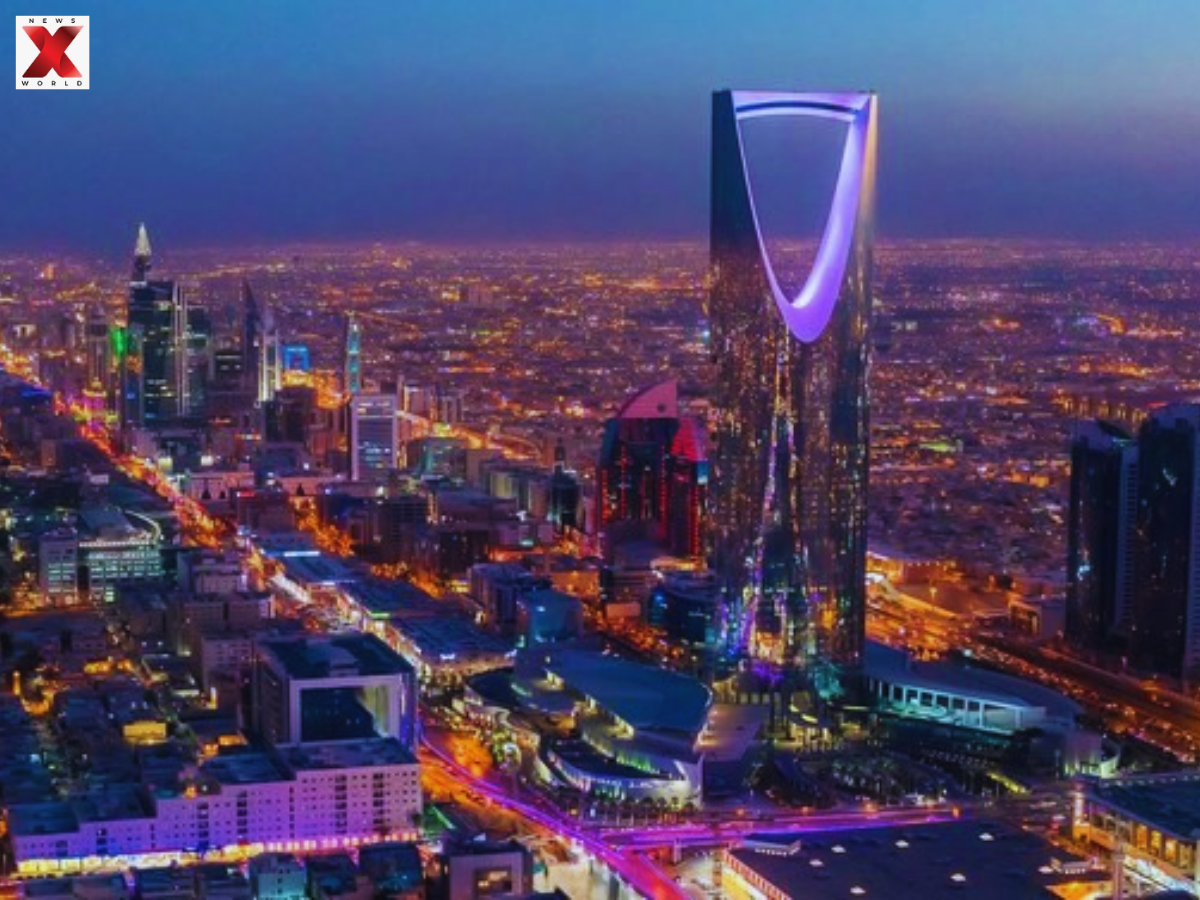

Starting in January 2026, Saudi Arabia plans to let foreigners buy property almost everywhere in the country. It’s a huge shift, especially for international investors who’ve been waiting for a chance to get into this market.
Saudi Arabia’s new real estate law for foreigners
There’s a catch, though. Residential ownership won’t be allowed in Makkah, Madinah, Jeddah, and Riyadh. Those four cities are off-limits for now.
Minister of Municipalities and Housing Majed Al-Hogail explained the details in an interview with the Saudi Gazette. He said foreigners can own homes just about anywhere, except in those big cities.
He didn’t rule out the possibility that certain neighbourhoods in those cities might open up to foreign buyers later on, but only if the government gives the green light.
The rules are even more open for commercial, industrial, and agricultural properties. Foreigners can own these types of properties anywhere in Saudi Arabia. This is part of a bigger plan to bring in outside investment and keep the economy growing.
Saudi authorities want to keep things transparent and fair, so they’ve set up clear rules about registration, fees, and penalties. Every property deal has to go through the Real Estate Registry.
What happens if someone breaks the rules?
If someone breaks the rules, they could get hit with a fine of up to SR10 million (that’s about $2.67 million), or even be forced to sell the property if things get really serious.
Al-Hogail made it clear that just because foreigners can own property, it doesn’t mean they’ll get any special privileges; everything stays within the lines of the law.
Potential game-changer for Saudi real estate
This move fits right into Saudi Arabia’s bigger vision: attract more international investment but still keep a tight grip on oversight. People are calling it a potential game-changer for Saudi real estate.
It opens the door for global investors, while still protecting key spots for local interests.
History of real estate in Saudi Arabia
Saudi Arabia’s real estate story really takes off alongside the country’s rising fortunes. Back when oil was first discovered in 1938, the real estate scene was small and tightly run by the government. The main focus was on building homes for state workers and putting in the basics roads and utilities in cities like Riyadh, Jeddah, and Dammam.
Everything shifted in the 1970s. Oil money started pouring in, cities grew fast, and the government launched huge projects to keep up. Between 1970 and 1985, city populations more than doubled. Suddenly, everyone wanted a place to live or do business. Almost all the property stayed in Saudi hands, though, and rules stayed strict.
The market kept growing through the 1990s and into the early 2010s, but plenty of problems stuck around. The population kept climbing about 2.5% each year and most people were young, so demand for homes never really let up. But there wasn’t enough supply. Some people held onto land hoping prices would rise, and getting a mortgage wasn’t easy.
When foreigners had no way in Saudi Arabia’s real estate
Foreigners had almost no way in, unless they jumped through hoops or had special licenses. Things started to shift a bit with the Mortgage Law in 2012. Banks started lending more, and home loans shot up; from under SAR 200 billion in 2015 to more than SAR 700 billion by 2022. Home financing finally felt like it was catching up.
Then came Vision 2030. That’s when real estate really took center stage. The government launched the Sakani program, which pushed homeownership up from around 47% in 2016 to over 60% by 2023.
They set up new regulators like the Real Estate General Authority. And those mega-projects, NEOM, Qiddiya, the Red Sea Project changed the game, grabbing attention worldwide.
Now, with new rules coming that open the door for more foreign ownership starting in 2026, Saudi real estate is shifting from a homegrown market to one that’s plugged into the world.




