
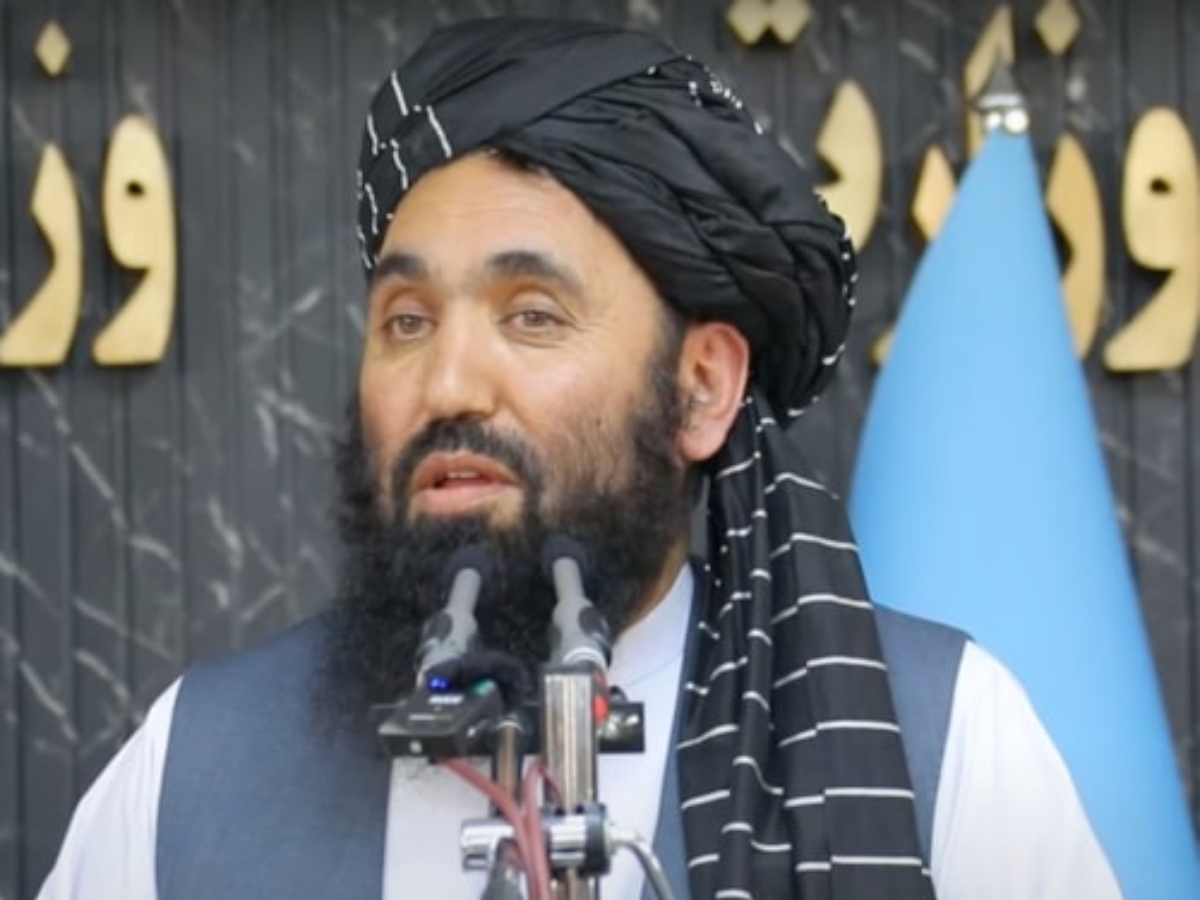

Peace negotiations between Pakistan and Afghanistan held in Istanbul concluded without any breakthrough, as both sides accused each other of derailing efforts to ease escalating border tensions and uphold a fragile ceasefire. Taliban confirmed on Saturday that the two-day dialogue ended in deadlock despite mediation by Turkey and Qatar.
Pakistan’s Fatwa Demand Behind The Deadlock
Addressing a press conference in Kabul, Mullah Najib, head of the Afghan delegation and Deputy Interior Minister, said the talks failed partly because Pakistan insisted that the Taliban’s Supreme Leader issue a fatwa against the Tehreek-e-Taliban Pakistan (TTP).
“If Pakistan wants a fatwa, they should send us a written request,” Najib said.
He explained that the Taliban’s Supreme Leader, known as the Amir, does not issue religious decrees.
“We told them that he is an Amir, not a Mufti. He issues orders, not fatwas. The Afghan Taliban have a Dar al-Ifta (religious authority) for that. The Pakistani government can send a written request for a fatwa, and our Dar al-Ifta will consider and review Pakistan’s request,” he added.
Also Read: Bodies of Abducted Baloch Men Found With Torture Marks, Human Rights Groups Slam Pakistani Forces
Pakistan Accuses Kabul of Sheltering Militants
Islamabad has long accused Afghanistan’s Taliban rulers of providing safe haven to the TTP – the Pakistani Taliban – which has been behind a wave of militant attacks inside Pakistan since 2021. Kabul, however, has consistently denied the allegations, maintaining that it does not permit its soil to be used against any country.
Although organizationally distinct, the TTP maintains strong ideological and operational ties with the Afghan Taliban and has grown more assertive since the latter’s takeover of Kabul in August 2021.
Rising Tensions Along the Pakistan-Afghanistan Border
Border tensions between the two countries have surged in recent weeks, triggered by deadly clashes that claimed dozens of military and civilian lives. The latest round of violence followed explosions in Kabul on October 9, which Afghanistan blamed on drone strikes conducted by Pakistan.
In response, Kabul vowed to retaliate. The hostilities eased after Qatar brokered a ceasefire on October 19, but officials on both sides admit the truce remains fragile.
What Afghanistan Govt Spokesperson Zabiullah Mujahid Said
Afghan government spokesman Zabiullah Mujahid blamed Pakistan for the collapse of the Istanbul talks.
“Pakistan’s demands in the negotiations were unreasonable and the talks could not proceed. The meeting ended and the talks are at a standstill for now,” Mujahid said during a press briefing in Kandahar on Saturday.
He emphasized Afghanistan’s preference for peace but warned that the government would defend itself if provoked.
“We do not want insecurity in the region, and entering into war is not our first choice. But if war breaks out, we have the right to defend ourselves,” he said.
Zubair Amin is a Senior Journalist at NewsX with over seven years of experience in reporting and editorial work. He has written for leading national and international publications, including Foreign Policy Magazine, Al Jazeera, The Economic Times, The Indian Express, The Wire, Article 14, Mongabay, News9, among others. His primary focus is on international affairs, with a strong interest in US politics and policy. He also writes on West Asia, Indian polity, and constitutional issues. Zubair tweets at zubaiyr.amin




