
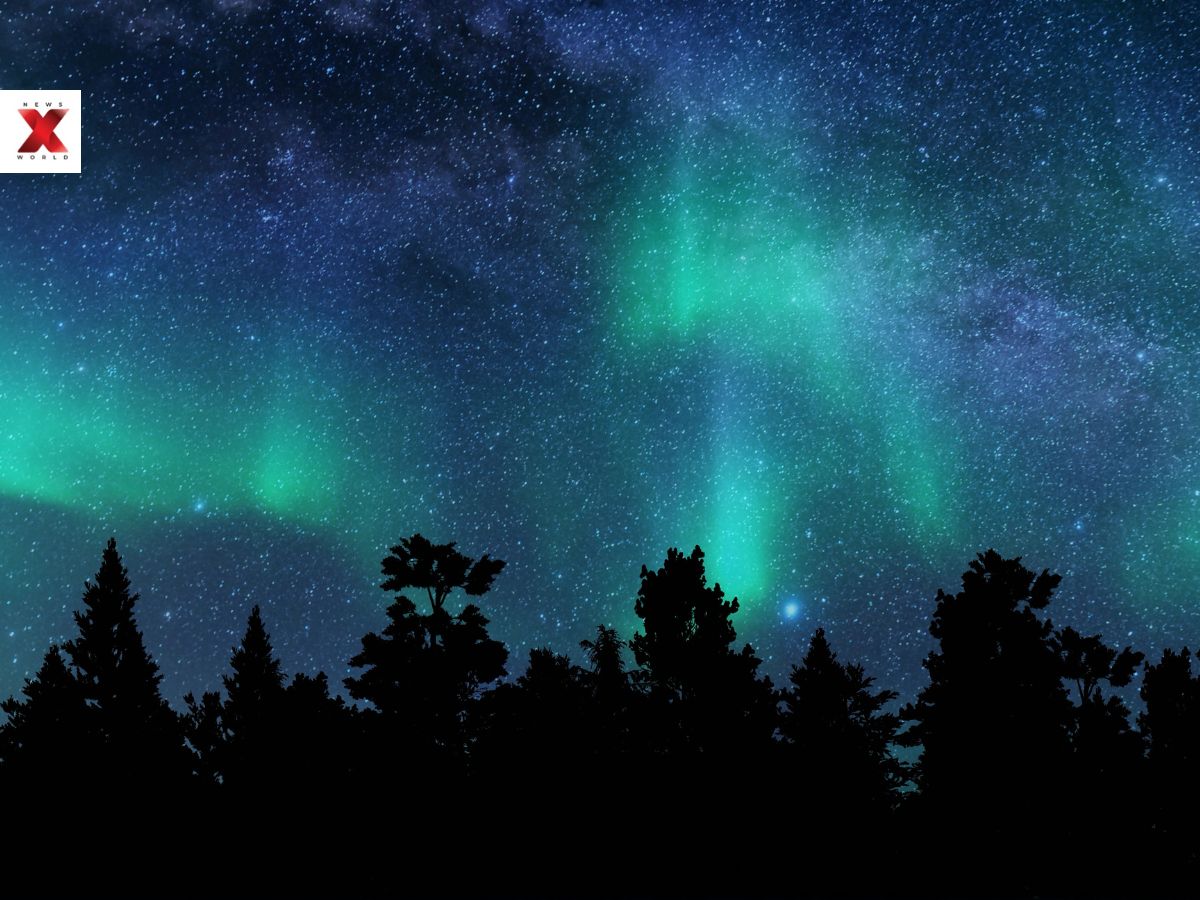

Skywatchers across parts of the United States could be in for a rare celestial treat tonight, as heightened solar activity raises the chances of seeing the northern lights far beyond their usual range. With geomagnetic conditions expected to remain active through the week, the aurora may be visible in several states if skies are clear.
Here’s what you need to know about where the northern lights could appear, the best time to watch, and how to maximise your chances of catching the glow.
Dates to See Northern Lights This Week
According to the National Oceanic and Atmospheric Administration’s Space Weather Prediction Center, a burst of solar material from the Sun is expected to arrive at Earth late on January 2 or early January 3. The event, known as a coronal mass ejection, could spark minor to moderate geomagnetic storms.
Such geomagnetic activity increases the chances of seeing the aurora borealis across parts of the northern United States, though visibility will still depend on factors such as cloud cover, darkness, and the intensity of the storm.
NOAA Space Weather Prediction Center forecasts, as reported by Space, show several states at or above the aurora “view line,” indicating that sightings may be possible.
Which US States Could Witness Northern Lights?
According to the NOAA forecast map, skywatchers from the following states can witness Northern Lights:
- Alaska
- Washington
- Oregon
- Idaho
- Montana
- Wyoming
- North Dakota
- South Dakota
- Nebraska
- Minnesota
- Wisconsin
- Michigan
- Iowa
- Illinois
- New York
- Maine
- Vermont
- New Hampshire
When to Watch Northern Lights?
According to the National Oceanic and Atmospheric Administration, the best window to watch for the northern lights is between 10 pm and 2 am local time, though auroras can sometimes appear earlier in the evening during geomagnetic storms.
Space reported that minor storm conditions could develop earlier at night, with the possibility of moderate geomagnetic activity building closer to midnight and extending into the early morning hours.
How to Watch Northern Lights?
- Head away from city lights. Rural areas, parks, and lakesides offer the best visibility.
- Face north and scan the horizon—auroras often start as faint glows before intensifying.
- Auroras can appear and fade in waves. Stay out for at least 30–45 minutes.
- Night mode or long-exposure settings can capture faint auroras invisible to the naked eye.
- Track space weather updates for real-time activity.
Manisha Chauhan is a passionate journalist with 3 years of experience in the media industry, covering everything from trending entertainment buzz and celebrity spotlights to thought-provoking book reviews and practical health tips. Known for blending fresh perspectives with reader-friendly writing, she creates content that informs, entertains, and inspires. When she’s not chasing the next viral story, you’ll find her diving into a good book or exploring new wellness trends.




