
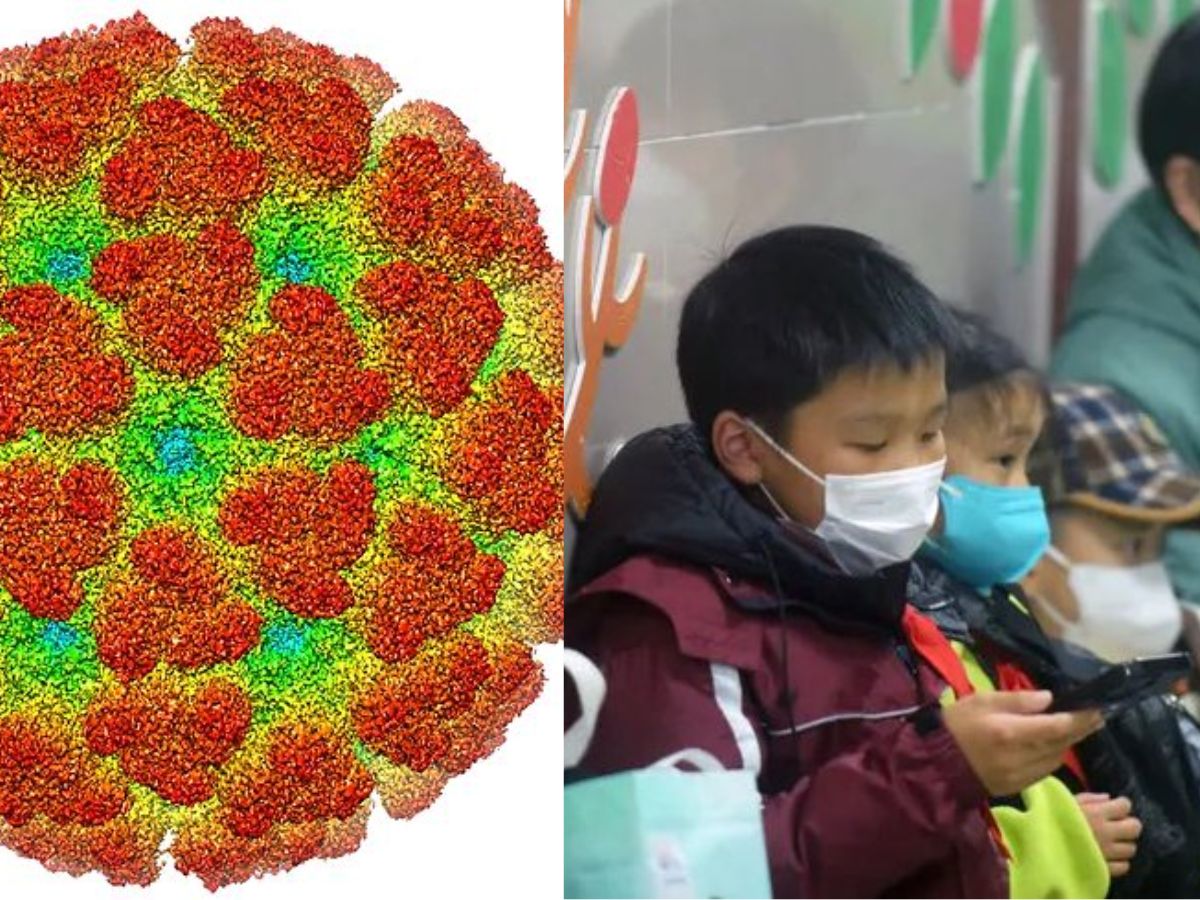

More than 7,000 cases of chikungunya, a virus transmitted through mosquito bites, have been reported in China’s southern Guangdong Province since July, the BBC reported. The outbreak has primarily affected the city of Foshan, with at least 12 other cities in the province also confirming infections.
Widespread Concern Over Chikungunya in China
Officials, cited anonymously in the BBC report, stated that all confirmed cases so far have been mild, with 95 percent of patients discharged within a week. Nonetheless, the surge in infections has sparked considerable public concern across the region.
BREAKING:
China is facing an outbreak of the chikungunya virus, which spreads by mosquito bites, with 7,000 cases reported. pic.twitter.com/72wR0dAy5W
— Globe Eye News (@GlobeEyeNews) August 5, 2025
“This is scary. The prolonged consequences sound very painful,” one user posted on the Chinese social media platform Weibo, highlighting the unease surrounding the unfamiliar virus.
Also Read: Lung Cancer Explained: From Causes to Cures
Local health authorities in Guangdong have pledged to take stringent measures to curb the virus’s spread. Residents exhibiting symptoms have been urged to seek immediate medical attention at nearby hospitals for testing and diagnosis.
On Monday, Hong Kong confirmed its first case of chikungunya—a 12-year-old boy who developed a fever, rash, and joint pain after returning from a trip to Foshan in July.
Guangdong province has made progress in curbing the spread of #Chikungunya fever, particularly in the city of Foshan, where a recent surge in cases has shown signs of slowing, a senior provincial disease control official said. #health https://t.co/WeyPFt5jVo pic.twitter.com/BEGN4cbmvK
— China Daily (@ChinaDaily) August 5, 2025
How Chikungunya Virus Spreads
Chikungunya is not contagious between humans. The virus only spreads when a mosquito bites an infected individual and subsequently bites someone else. The most common symptoms are fever and joint pain, though patients may also experience rash, headache, muscle pain, and swollen joints.
🦟After a major outbreak of chikungunya and dengue fever in Guangdong, China, authorities sprayed insecticides everywhere. Netizens joked: “I don’t know if the mosquitoes are gone, but it feels like we’re the ones being wiped out.” https://t.co/RPZYCevirk pic.twitter.com/dmpZWn3tHu
— Inconvenient Truths by Jennifer Zeng (@jenniferzeng97) August 4, 2025
While most individuals recover within a week, some experience joint pain that persists for months or even years. Those at increased risk of severe symptoms include newborns, the elderly, and people with underlying health conditions like diabetes or heart disease.
Recent Surge in Chikungunya Outbreaks
The World Health Organization (WHO) issued a warning in July 2025, urging global action to prevent a repeat of previous chikungunya outbreaks. The current wave began earlier this year, initially affecting Indian Ocean islands before spreading to East Africa, South Asia, and Southeast Asia.
This is not the first major outbreak. The virus caused its first recorded epidemic between 2004 and 2005. It was originally identified in Tanzania in 1952 and later spread across sub-Saharan Africa and Southeast Asia.
In the last week alone, nearly 3,000 new cases have been reported in Guangdong Province.
In response to the outbreak, the United States has advised its citizens traveling to China to exercise “increased caution.”
Also Read: What Is Legionnaires’? The Water-Borne Killer That’s Struck Harlem NYC
Zubair Amin is a Senior Journalist at NewsX with over seven years of experience in reporting and editorial work. He has written for leading national and international publications, including Foreign Policy Magazine, Al Jazeera, The Economic Times, The Indian Express, The Wire, Article 14, Mongabay, News9, among others. His primary focus is on international affairs, with a strong interest in US politics and policy. He also writes on West Asia, Indian polity, and constitutional issues. Zubair tweets at zubaiyr.amin




