
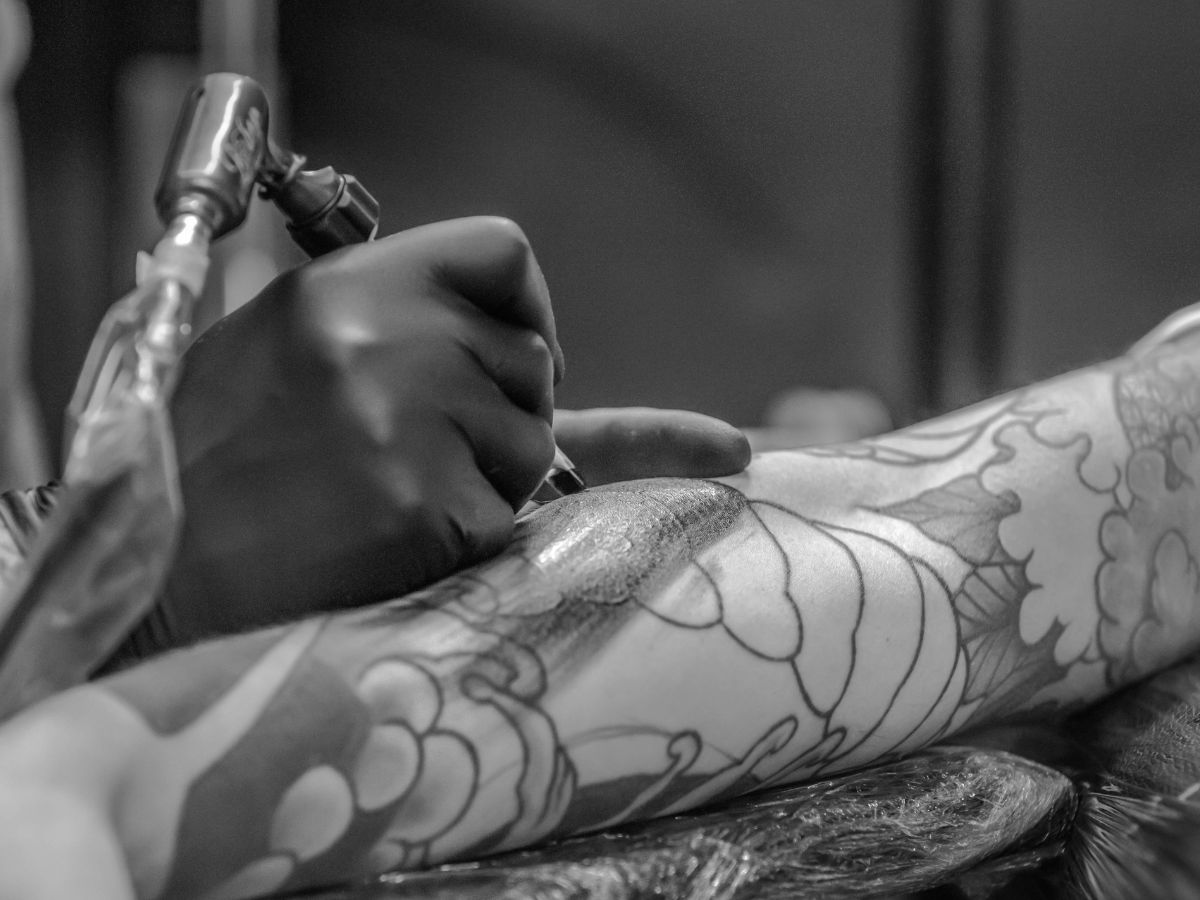

Tattoos are enjoyed internationally and in Japan, hold a very different meaning. Many public locations (gyms, hot springs, pools) have strict no tattoo policies – this may surprise many foreigners in Japan. Below is an easy explanation to this unusual rule.
Why Does Japan Ban Visible Tattoos?
Historically, tattoos have been associated with the yakuza ( organized crime). Due to this history, tattoos have become a symbol of criminal activity. Therefore, gyms, hot springs (onsen), public baths, and some beaches will restrict those with visible tattoos to create a safe and comfortable environment for any and all customers. Simply put, it is not about judging you as a person, it is about avoiding any trouble or fear from other customers.
Where Is This Rule Applied?
The tattoo ban is most commonly issued from public places where customers will be naked, wet, or bathing. Famous Japanese hot springs frequently refuse tattooed customers. Gyms and fitness centers also participate in this policy; especially if the gym has shower rooms or pools. On certain beaches and luxury hotels, guests with visible tattoos may be asked to cover their tattoos with clothing.
Are there places that accept tattoos?
Although most places uphold the “no tattoo” rule, there has been an advance towards some places being more accepting of tattooed travelers in Japan. In fact, some hot springs and traditional inns (ryokans) specifically state that they accept tattooed guests, because they understand that many travelers have tattoos. There are also private baths, where you can experience the onsen and not have to worry about the visibility of your tattoo.
Advice for Tattooed Travelers.
If you have tattoos and are looking to go to hot springs or a public bath, check beforehand whether tattoos are allowed at the place you are going. Some places will provide a cover-up or a sticker to cover up tattoos for entry. In addition, you can choose a tattoo-friendly onsen or book a private bath, which allows you to relax without any concern.
In summary, the Japanese policy against “visible tattoos” at gyms and hot springs has a long cultural past with relation to crime. However, slow progress is being made towards welcoming tattooed individuals. If tattooed people know these rules and prepare to visit hot springs and fitness facilities, they will be able to appreciate Japan’s amazing onsen and baths comfortably.
This article is based on cultural practices and current regulations in Japan. Policies may vary by region or facility; travelers should check local rules before visiting.
Vani Verma is a content writer with over 2 years of experience in lifestyle, entertainment, health and digital media. She has a knack for creating engaging and research-driven content that resonates with readers, blending creativity with clarity. Passionate about media trends, culture, and storytelling, she strives to craft content that informs, inspires, and connects.




