

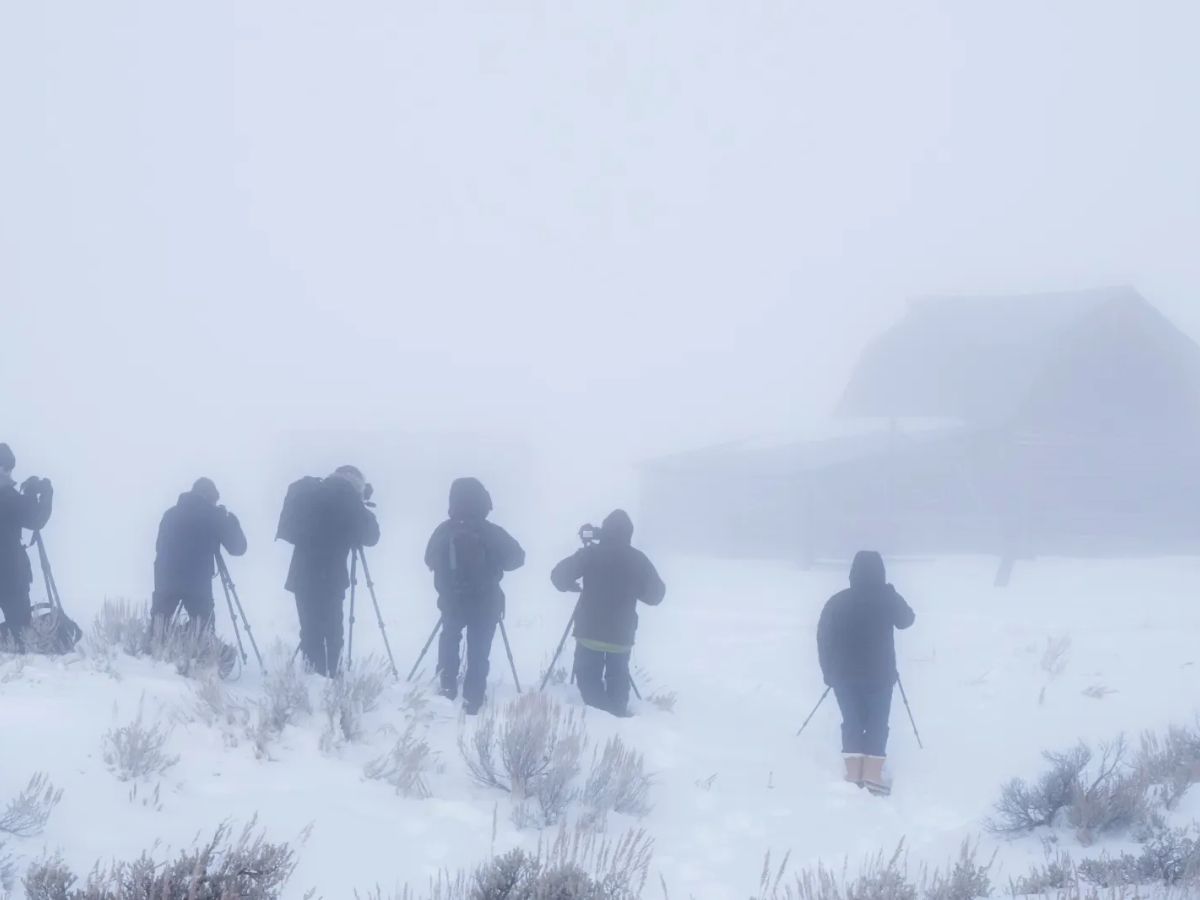
Across the Intermountain West, a late-season cold front has brought heavy snow warnings and winter weather advisories which the National Weather Service (NWS) has issued to cover the time period from Sunday night to Monday morning. The meteorologists predict that Colorado and Wyoming residents will experience a major winter weather event because snowfall will total between 3 and 12 inches in most regions while mountain summits will receive up to 24 inches of snow. The system will bring dangerous travel conditions to the Monday morning commute because it combines heavy wet precipitation with strong wind gusts that an upper-level energy wave from the Pacific Ocean brings.
High-Altitude Accumulation and Mountain Pass Hazards
The main center of this late-April disturbance operates from the Northern and Central Rocky Mountain region, which includes its rugged mountain range. The NWS Cheyenne office in Wyoming has identified the Sierra Madre and Snowy Ranges as the areas that will receive their most significant snowfall accumulation, while Battle Pass will serve as the site for major snowdrift development. The high country of Colorado, which contains the Grand Mesa and various parts of the Continental Divide, will experience severe snowfall through sudden snowfall events.
The areas expect to experience fast decreases in visibility because winds will blow at 40 to 65 mph, which will cause fresh powder to move across the area. Major mountain highways will face potential shutdowns because of the conditions that lead to rapid visibility loss during high wind events. Travelers should check mountain pass conditions before leaving because the combination of steep grades and slick slushy surfaces can turn routine drives into dangerous expeditions during the peak of the storm.
Regional Wind Impacts and Urban Transition Zones
The weather system beyond its snow effects at high elevations shows its impacts through dangerous wind conditions and changing precipitation patterns, which affect the lower basin areas and urban regions. The highest mountain areas receive the heaviest snowfall, while the Front Range metropolitan regions and Wyoming high plains experience a climate change from rain to a heavy snow-rain mix, which will occur when temperatures drop on Sunday night. Local infrastructure faces operational difficulties because “transition zones” create situations where wet, heavy snow, which sticks to spring foliage, creates power line breakage hazards and resulting power outages.
The snow zones experience strong wind conditions, which extend their impacts to the Great Basin regions and the western Central Plains areas, which receive high wind warnings. Authorities recommend outdoor furniture protection, while people should remain watchful for falling debris because the Monday morning transition will create icy road conditions, which will make driving dangerous in places with minor snow accumulation.
Bhumi Vashisht is a passionate media graduate and emerging voice in digital journalism, currently working with NewsX as an Entertainment and Viral Content Writer for the past 10 months. With a strong understanding of trending digital culture, celebrity news, and audience engagement, she specializes in crafting compelling entertainment stories and viral content that resonate with modern readers. Known for her creative storytelling approach and sharp eye for trends, Bhumi brings fresh perspectives and strategic content ideas to the fast-paced media industry.





