
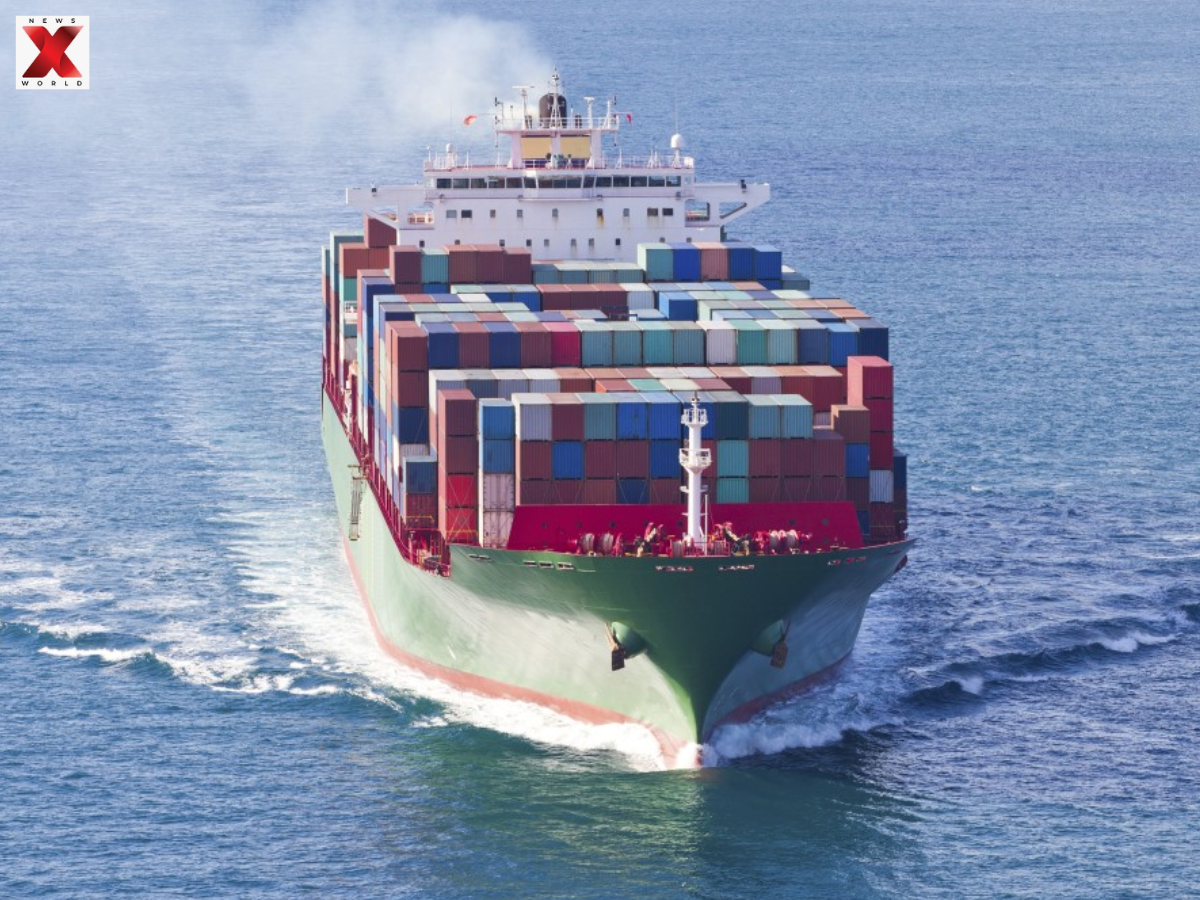

Within 24 hours of the first US-Israeli strikes on Iran, ships in the region’s waters found their navigation systems had gone haywire, erroneously indicating that the vessels were at airports, a nuclear power plant and on Iranian land.
Over 1,100 Ships Hit By GPS Jamming
The location confusion was a result of widespread jamming and spoofing of signals from global positioning satellite systems. Used by all sides in conflict zones to disrupt the paths of drones and missiles, the process involves militaries and affiliated groups intentionally broadcasting high-intensity radio signals in the same frequency bands used by navigation tools.
Jamming results in the disruption of a vehicle’s satellite-based positioning, while spoofing leads to navigation systems reporting a false location.
Though commercial vessels are not the target, the electronic interference disrupted the navigation systems of more than 1,100 commercial ships in UAE, Qatari, Omani and Iranian waters on February 28, according to a report from Windward, a shipping intelligence firm.
Massive GPS Jamming Confuses Navigation Of Ships Across Gulf Waters
Many ships still depend on the original civilian GPS signal, known as the L1 C/A band, which has been in use since the 1990s.
“Most ships are unable to rely on alternative satellite systems if GPS is jammed,” Todd Humphreys, an engineering professor at the University of Texas at Austin, told news agency AFP.
Unlike smartphones, which use multiple frequencies and satellite networks, ships’ navigation systems are relatively basic, leaving them vulnerable to signal interference.
Global Shipping At Risk
The jamming or spoofing of signals used in global navigation satellite systems, or GNSS, isn’t a new phenomenon. Interference has been a major issue for shipping and aircraft since the Russian invasion of Ukraine in 2022, during which drones were widely deployed in combat for the first time.
Bockmann described the problem now as “endemic” in certain regions near conflict such as the Baltic Sea, Black Sea and parts of the Middle East, where what she termed “grey zone aggression,” or military activity that isn’t overtly hostile, is commonplace.
In June 2025, electronic interference with navigation systems was thought to be a factor in the collision between two oil tankers, Adalynn and Front Eagle, off the coast of the UAE, Bockmann and Faragher noted. The operator of the Front Eagle called it a “navigational” incident.




