

If the war in the Middle East drags on, the world could be facing a massive economic shock. Oil prices could shoot up to $150 a barrel, and Gulf energy exporters might have no choice but to stop production.
That’s what Qatar’s energy minister, Saad al-Kaabi, told the Financial Times.
Oil Could Hit $150 If Strait of Hormuz Disruption Continues,
Kaabi explained that energy producers across the Gulf could soon have to declare force majeure, basically admitting they can’t meet contracts because of the conflict.
“If this keeps going, everyone who hasn’t already called force majeure probably will in the next few days,” he said. “All the exporters here will have to do it. If they don’t, they’ll be legally responsible, and that’s their problem.”
The situation in Qatar turned even more serious after a drone strike from Iran hit the Ras Laffan LNG facility, the country’s biggest. Qatar, which is the world’s second-largest supplier of liquefied natural gas, has already declared force majeure because of the attack.
Right now, Kaabi said, the government and QatarEnergy are still trying to figure out just how bad the damage is. “We don’t know yet,” he said. “It’s still being assessed, and we can’t say how long repairs will take.”
Even if the fighting stopped today, Kaabi said it’d still take weeks or even months for Qatar to get its exports back on track. The main problem? Logistics. “Our ships are scattered everywhere,” he said. Out of 128 LNG carriers, only six or seven are currently ready to load cargo.
Security issues amid the Middle-East War
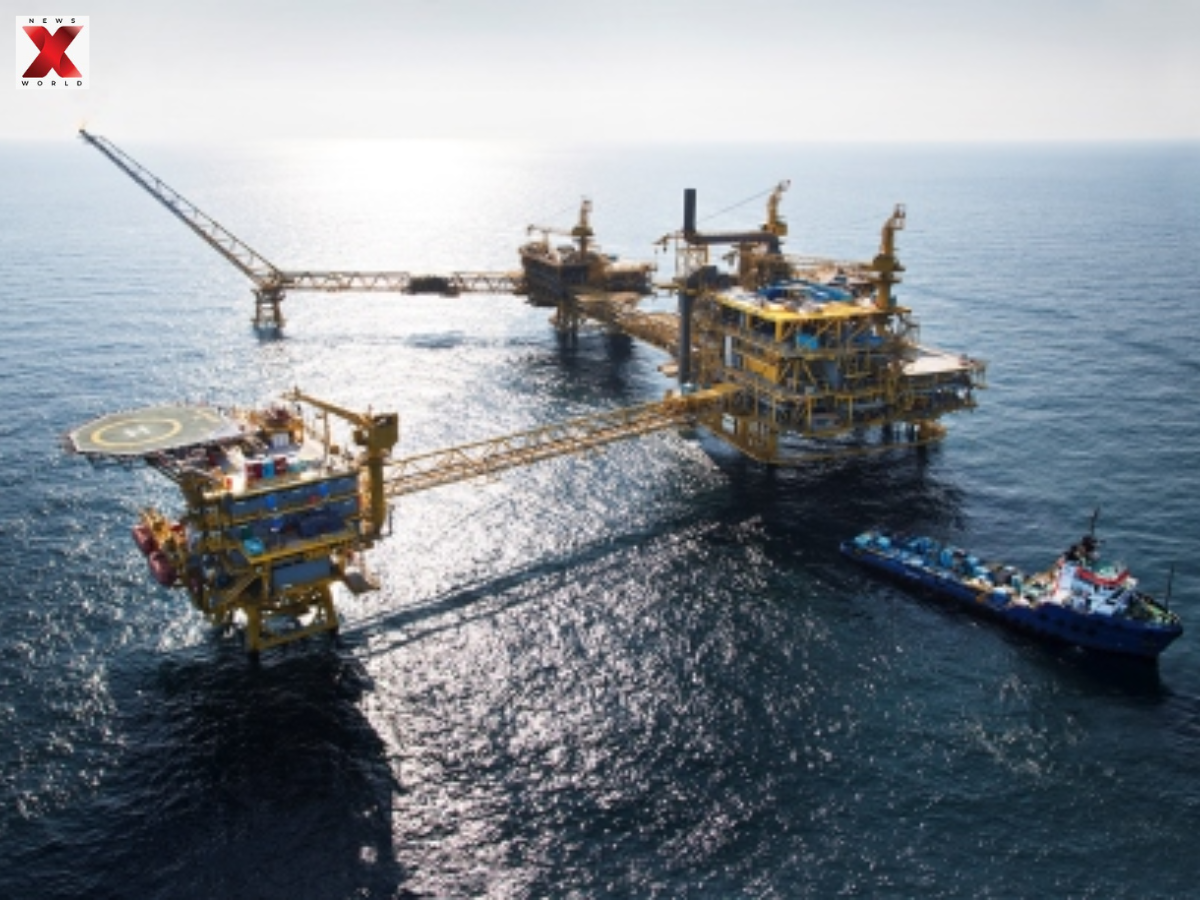
Kaabi, who is also chief executive of QatarEnergy, said that the company had shut down its production mainly because of security reasons due to the threat of possible attacks.
He even told the Financial Times that their military informed them that there is an imminent threat to the facilities offshore.
The firm was able to evacuate about 9,000 employees in its operations within 24 hours after the strike. We have our people in peril and we are just getting struck in a military area, and we are not able to work any longer, and we can not risk our people with danger, we are obligated to announce force majeure, Kaabi said.
He also said that they will not start production until the military authorities say that the hostilities are over.
The message is therefore when our military declares that there is an utter ceasefire and we are no longer under attack. We shall not expose our people to danger, he was going to say.




