

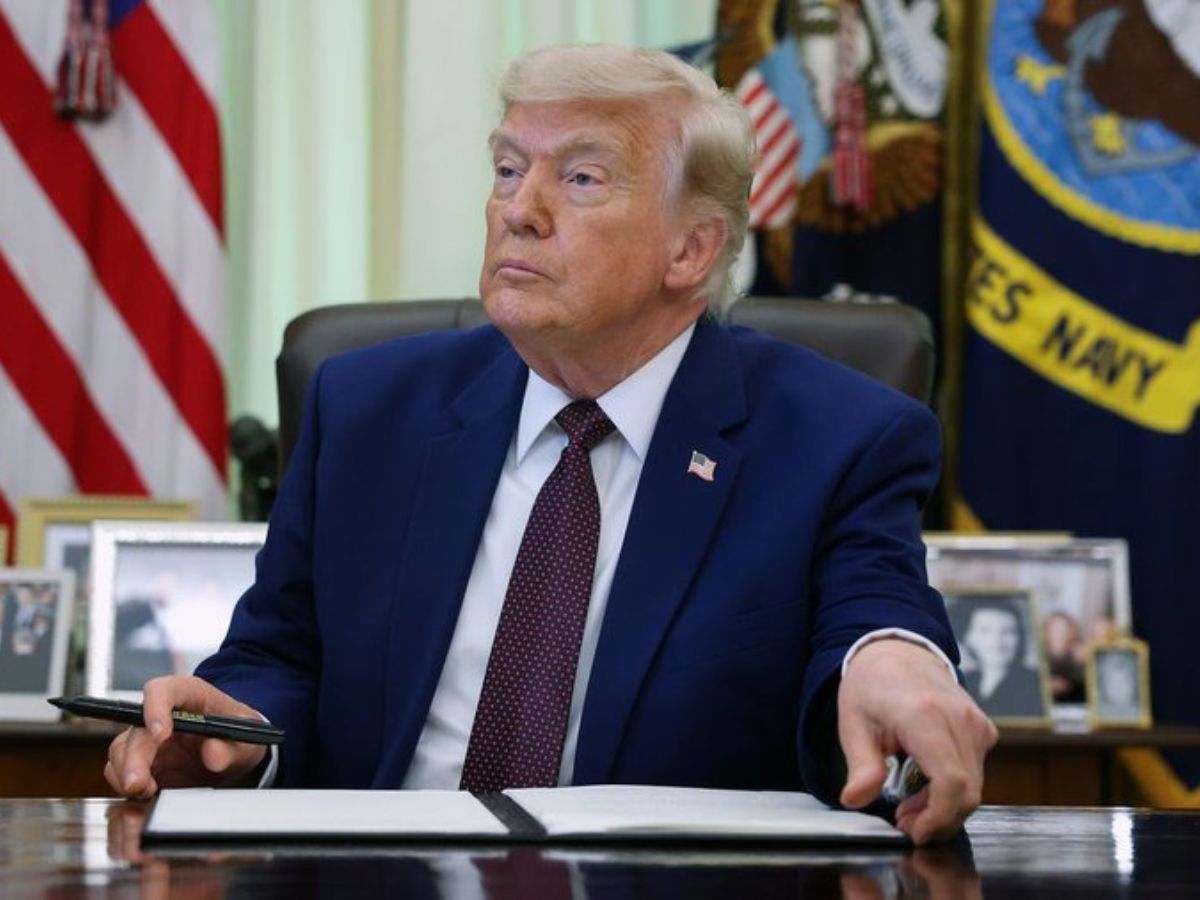
Iran has stated that no final decision has been made regarding a possible agreement with the United States, pushing back against claims by U.S. President Donald Trump that a breakthrough deal is already in place. According to Iranian sources cited by state-linked media, negotiations have progressed, but the proposed memorandum of understanding (MoU) has not yet received final approval from Tehran’s leadership. The comments came after Trump announced that a draft agreement had been reached, which could lead to the reopening of the Strait of Hormuz, an extension of the current ceasefire arrangements, and the start of new negotiations on Iran’s nuclear programme.
What Trump Says The Agreement Includes
According to US officials and reports from multiple outlets, the proposed framework reportedly includes the following:
- Reopening the Strait of Hormuz to international shipping.
- Extending existing ceasefire arrangements.
- This would involve launching a new round of US talks. -Iran negotiations.
- Discussions are aimed at limiting Iran’s nuclear activities.
- Potential measures involving sanctions relief and access to frozen Iranian assets.
Trump said the deal had been approved at the highest levels and suggested a formal signing could take place in Europe within days. Sources close to Iran’s negotiating team told Iranian media that while important gaps have narrowed and substantial progress has been made, no text has been formally approved and no final agreement has been reached.
Iranian Foreign Ministry spokesperson Esmaeil Baghaei has repeatedly emphasised that negotiations remain ongoing and that public statements from Washington should not be interpreted as confirmation of a completed deal.
Why Strait Of Hormuz Is Central To Talks
The Strait of Hormuz remains one of the world’s most important energy chokepoints, handling a significant share of global oil and liquefied natural gas shipments. The proposed agreement reportedly includes arrangements that could allow maritime traffic to resume more normally after months of disruption linked to the ongoing conflict.
Trump has claimed the waterway would reopen quickly after an agreement is signed, but Iranian officials have not publicly confirmed those details. Any reopening would likely ease pressure on global energy markets, which have been closely watching developments in the Gulf region.
For now, the situation remains fluid. While Washington is signalling optimism and preparing for a possible signing ceremony, Tehran insists that negotiations are still ongoing and that no final decision has been made.
ALSO READ: Is Strait Of Hormuz Open? Latest Shipping Status After Trump’s Bombing Threats
Harshita is a journalist and digital content writer specializing in breaking news, current affairs, travel, education, and trending stories. She is focused on delivering accurate, timely, and engaging content with a strong emphasis on clarity and audience relevance.





