

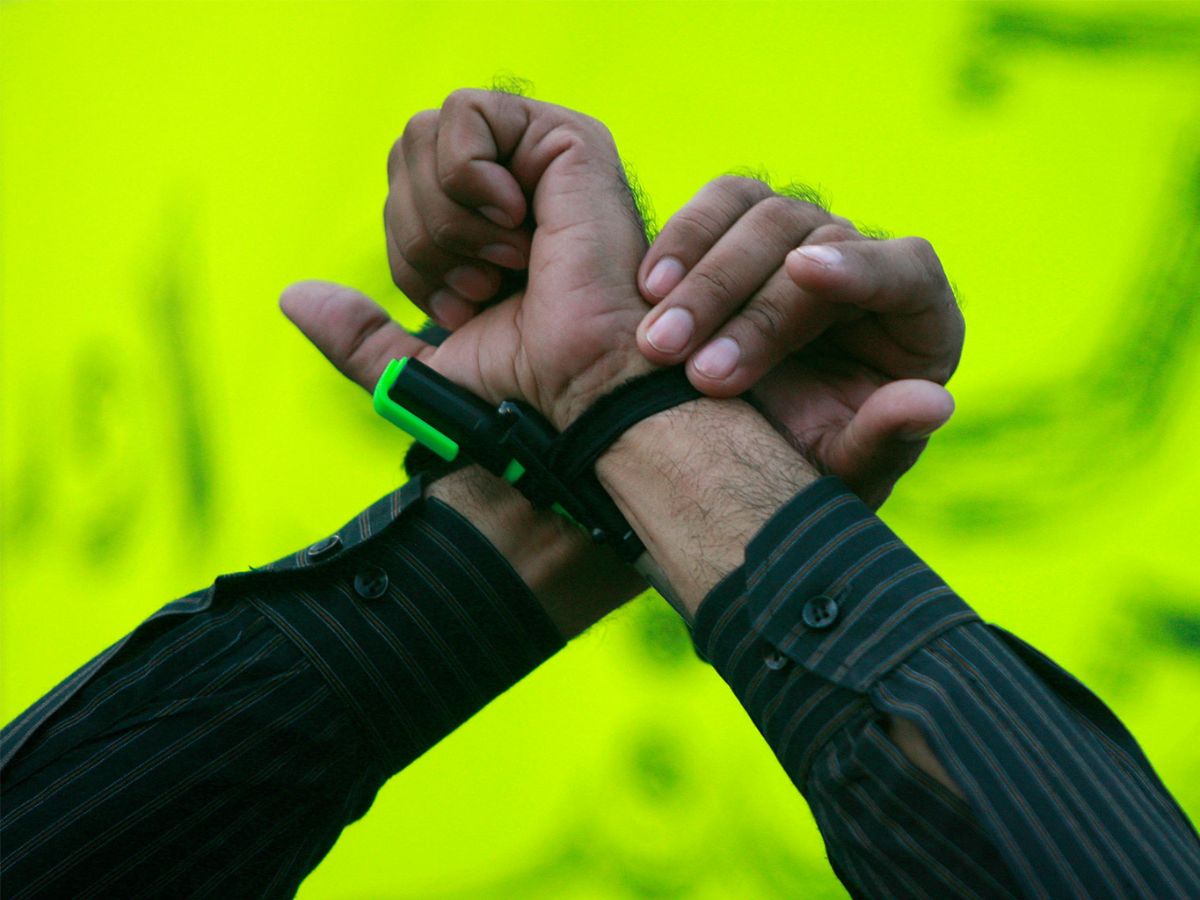
Pakistan’s media environment is facing a deepening crisis ahead of World Press Freedom Day, with a new report highlighting growing pressure on journalists and independent voices. The annual study by Freedom Network paints a troubling picture of shrinking space for free expression across the country.
Titled “Regulatory Repression of Freedom of Expression”, the report examines developments from mid-2025 to early 2026 and suggests that the challenges facing the media are no longer isolated, but part of a broader, structured clampdown.
Legal Pressure And Expanding Use Of Cyber Laws
At the centre of the concerns is the Prevention of Electronic Crimes Act (PECA), which the report says is increasingly being used beyond its original purpose. Introduced to tackle cybercrime, the law is now frequently invoked against journalists, activists and commentators.
Vague provisions such as “fake news” and “offensive content” have reportedly enabled authorities to pursue legal action against critics. The report points to high-profile cases involving rights lawyer Imaan Mazari and Hadi Ali Chattha as examples of how expression is being criminalised.
By late 2025, dozens of journalists had faced legal proceedings under PECA, with official data indicating a sharp rise in cases linked to alleged misinformation. Observers say this trend has led to widespread self-censorship within the media.
Rising Attacks, Threats And Regional Risks
The report documents 129 confirmed incidents involving journalists during the review period. Legal harassment, including arrests and detentions, made up nearly half of these cases. Physical violence, threats and intimidation also remained significant concerns.
State institutions were identified as the main source of pressure in a majority of cases, largely through legal and custodial actions. At the same time, non-state actors such as militant groups and political factions continued to pose serious risks.
Punjab and Khyber Pakhtunkhwa recorded the highest number of incidents, while lower figures from regions like Balochistan may reflect underreporting due to security challenges.
Digital Curbs And Economic Pressure Add To Crisis
The report also flags growing control over digital platforms. Instances of television channel suspensions, blocked online content and restrictions on YouTube channels have been noted. Internet disruptions, especially during sensitive periods, have further limited access to information. A prolonged blackout in Balochistan in August 2025 is cited as a key example.
Financial instability within the media sector is another major concern. Delayed wages, job cuts and shrinking newsrooms have left journalists vulnerable. The report notes that government advertising is often used selectively, influencing editorial independence.
Women Journalists Face Added Challenges
Women in journalism continue to face multiple barriers, including workplace bias, online abuse and legal intimidation. The report highlights a sharp drop in female representation in news content, pointing to deeper structural issues within the industry.
Despite the presence of Right to Information laws, weak enforcement and bureaucratic hurdles continue to limit transparency.
The report concludes that without urgent reforms, including revisiting cyber laws, improving protections for journalists and ensuring fair media practices, Pakistan risks further erosion of press freedom and democratic accountability.
(Via Agency Inputs)





