

The US Department of Justice has, over the last three months, been contacting election officials across at least 19 states, seeking access to voter registration lists and other election-related information via letters, emails, and phone calls, in a significant expansion of federal interest in state-run elections, according to a report published by The Associated Press on Sunday.
Around 15 American states, including Democratic-led, Republican-led, and bipartisan-administered states, have so far confirmed receiving such requests, the report said. Colorado, for instance, was asked to hand over “all records” relating to the 2024 election and any records from 2020.
Concerns Over Federal Overreach
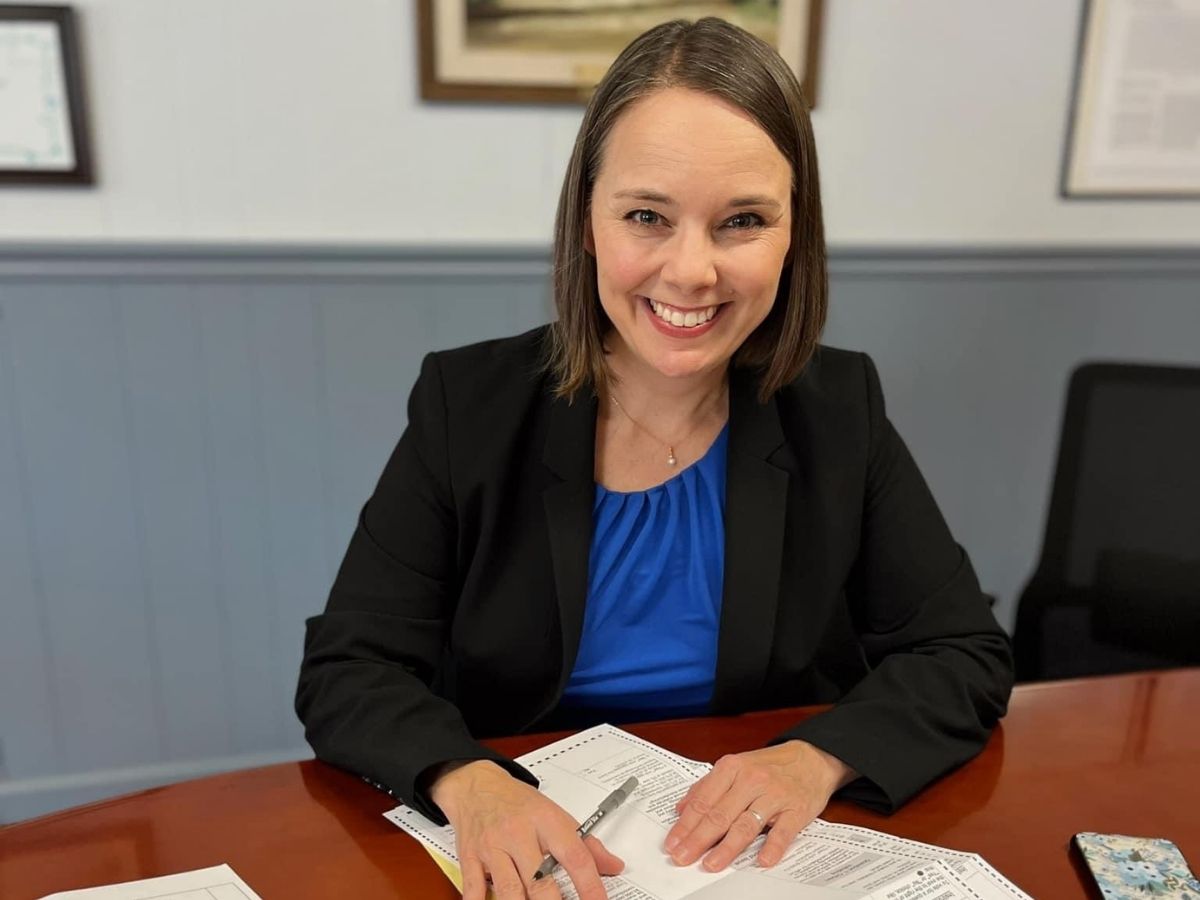
The sweep has raised legal and privacy concerns among election officials. Maine’s Secretary of State Shenna Bellows, a Democrat, flatly rejected the request, saying, “The department doesn’t get to know everything about you just because they want to,” as reported by AP.
Minnesota Secretary of State Steve Simon’s office also pushed back, arguing that the request involves “sensitive personal identifying information on several million individuals” and citing federal and state privacy protections.
Some states, like California, provided public versions of voter lists, omitting sensitive data like Social Security numbers. Others, including Arizona, Connecticut, and Wisconsin, have reportedly received requests for information-sharing agreements around voting fraud cases.
Trump Administration’s Policy Shift Fuels Skepticism
Under President Donald Trump, the DOJ’s focus appears to have shifted toward cracking down on alleged voter fraud, even though such incidents remain extremely rare, experts say. Trump has continued to claim he won the 2020 election and has pushed for electoral investigations.
David Becker, a former DOJ attorney now with the Center for Election Innovation and Research, told the US-based news agency, “The department doesn’t typically engage in fishing expeditions. Now it seems to be operating differently.”
Legal Experts Question the Approach
Legal experts quoted by the publication have noted that while requesting procedural information isn’t unusual, seeking voter data may conflict with the Privacy Act of 1974.
ALSO READ: Did Trump WH Order 3,000 Immigrant Arrests a Day? Here’s What the DOJ Says




