

Scotland is preparing for one of the most major changes to funeral practices in modern British history.
Commonly dubbed “boil-in-a-bag” funerals, the process scientifically known as alkaline hydrolysis or water cremation has been approved for use, making Scotland the first part of the UK to formally introduce the method.
Supporters describe it as an environmentally friendly alternative to traditional cremation, while critics question its ethics and the idea of returning the liquid remains to the water system.
As the country moves toward holding its first water funeral in 2026, the debate around body liquefaction is intensifying.
What Are ‘Boil-in-a-Bag’ Funerals?
Despite the dramatic nickname, “boil-in-a-bag” funerals do not involve boiling in the conventional sense. The process is called alkaline hydrolysis and has been used in several parts of the world as an alternative to flame cremation.
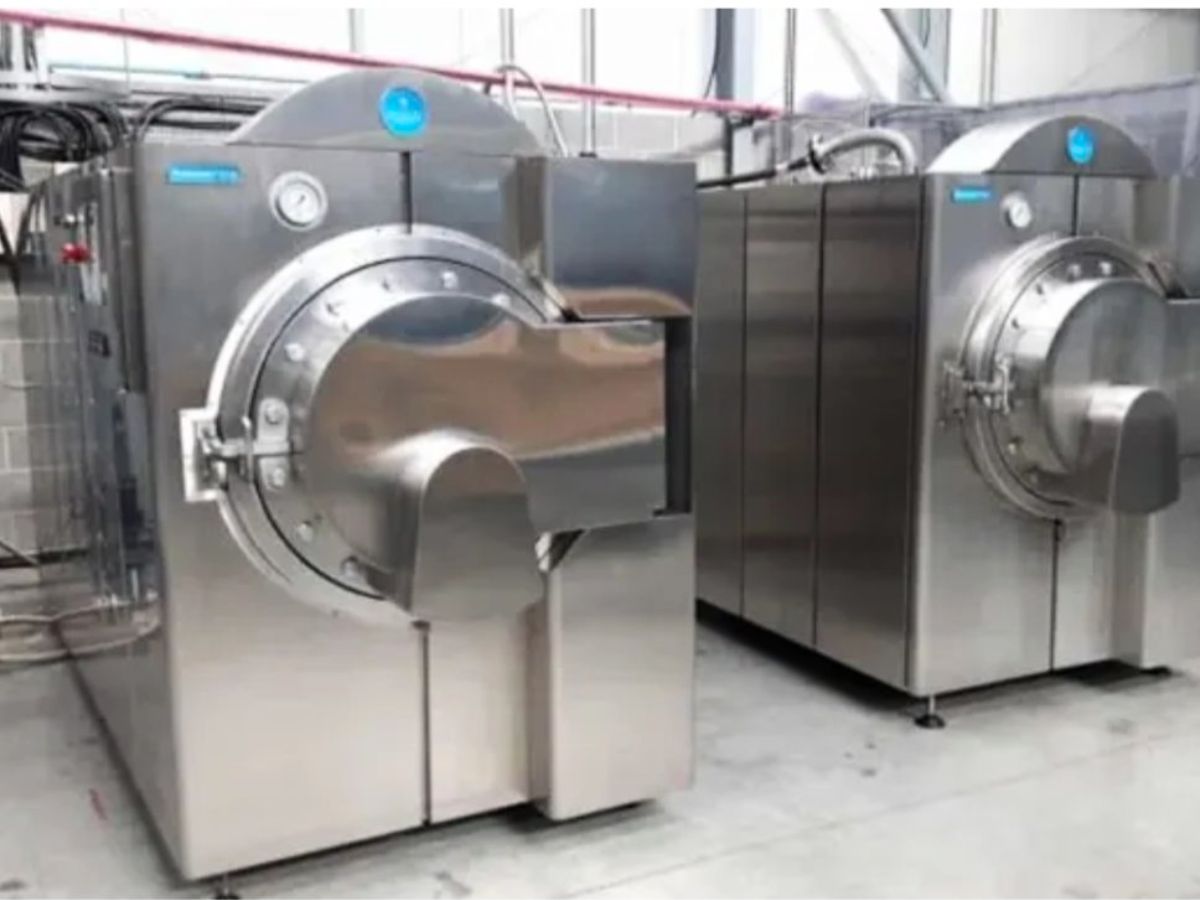
In this method, the body is wrapped in a biodegradable shroud often made of silk or wool and placed inside a sealed, pressurised steel chamber. The chamber is filled with a solution consisting of 95 per cent water and 5 per cent alkaline chemicals such as potassium hydroxide.
The temperature inside the chamber is raised to around 150°C under pressure. The pressure prevents the liquid from boiling, while the heat accelerates natural decomposition.
Over three to four hours, the soft tissues break down into a sterile liquid solution, leaving only softened bones behind.
The bones are then dried, cooled and reduced to a fine white powder, similar in appearance to ashes from traditional cremation. These remains are returned to the family in an urn.
The remaining liquid free from DNA and solid material is cooled, treated and released into the wastewater system, where it is processed alongside regular sewage before rejoining the natural water cycle.
Why Has Scotland Adopted Water Cremation?
The push toward water cremation is largely driven by environmental concerns. Traditional cremation relies heavily on natural gas and contributes to carbon emissions. Burial, meanwhile, requires land use and often involves materials that are not biodegradable.
Advocates argue that alkaline hydrolysis uses significantly less energy and produces fewer greenhouse gases compared to flame-based cremation.
With climate awareness growing and sustainability becoming central to policy discussions, the method is being positioned as a greener alternative.
In 2023, the Scottish Government conducted a public consultation on introducing alkaline hydrolysis. According to the findings, 84 per cent of respondents supported making the option available.
Officials have framed the move as expanding consumer choice rather than replacing existing funeral methods.
Before facilities can operate, crematoriums must secure planning permission and reach agreements with Scottish Water regarding the safe discharge of treated liquid into the sewer system.
The Role of Kindly Earth
The equipment for alkaline hydrolysis in Scotland is being supplied by Kindly Earth, which holds the rights to produce and install the systems locally.
The company maintains that the liquid remaining after the process is sterile and contains only natural compounds such as proteins, peptides, sugars and salts.
It says the solution poses no environmental risk and meets wastewater safety standards.
Representatives from the company have emphasised that not everyone will choose water cremation. Instead, they describe it as an additional option for families, particularly those planning ahead for environmentally conscious funerals.
Why Is It Fueling Debate?
Despite its environmental credentials, the idea of dissolving a body and releasing the liquid into the drainage system has sparked discomfort and moral concerns among sections of the public.
Critics argue that the concept feels impersonal or undignified. Some religious groups have raised theological questions about whether the method aligns with traditional burial or cremation rites. Others worry about psychological reactions from families who may struggle with the thought of remains entering the public water system.
The phrase “flushed down the drain” has also contributed to negative perceptions, even though experts clarify that the treated liquid undergoes proper wastewater processing before re-entering the environment.
Supporters counter that cremation itself once faced similar resistance when it was introduced in the UK in 1885. Today, it is widely accepted and accounts for the majority of funerals. They argue that public hesitation may diminish as awareness and understanding of science improve.
A Global Trend in Funeral Reform
Scotland is not alone in adopting alkaline hydrolysis. The method is already legal in several parts of the United States and was introduced in Ireland in 2023, making it the first European nation to offer water cremation.
Costs for the procedure internationally typically range between €1,300 and €4,300, depending on location and service arrangements. In other markets, the price is broadly comparable to traditional cremation.
As climate concerns reshape consumer choices across industries, even the funeral sector is undergoing transformation. Scotland’s decision marks what some experts describe as the most significant shift in British body disposal practices in over a century.
Whether alkaline hydrolysis becomes widely accepted or remains a niche alternative will depend on public sentiment in the coming years.
For now, Scotland’s embrace of “boil-in-a-bag” funerals has opened a new chapter in how society approaches death balancing environmental responsibility with deeply held cultural and emotional values.
Sofia Babu Chacko is a journalist with over five years of experience covering Indian politics, crime, human rights, gender issues, and stories about marginalized communities. She believes that every voice matters, and journalism has a vital role to play in amplifying those voices. Sofia is committed to creating impact and shedding light on stories that truly matter. Beyond her work in the newsroom, she is also a music enthusiast who enjoys singing.




