
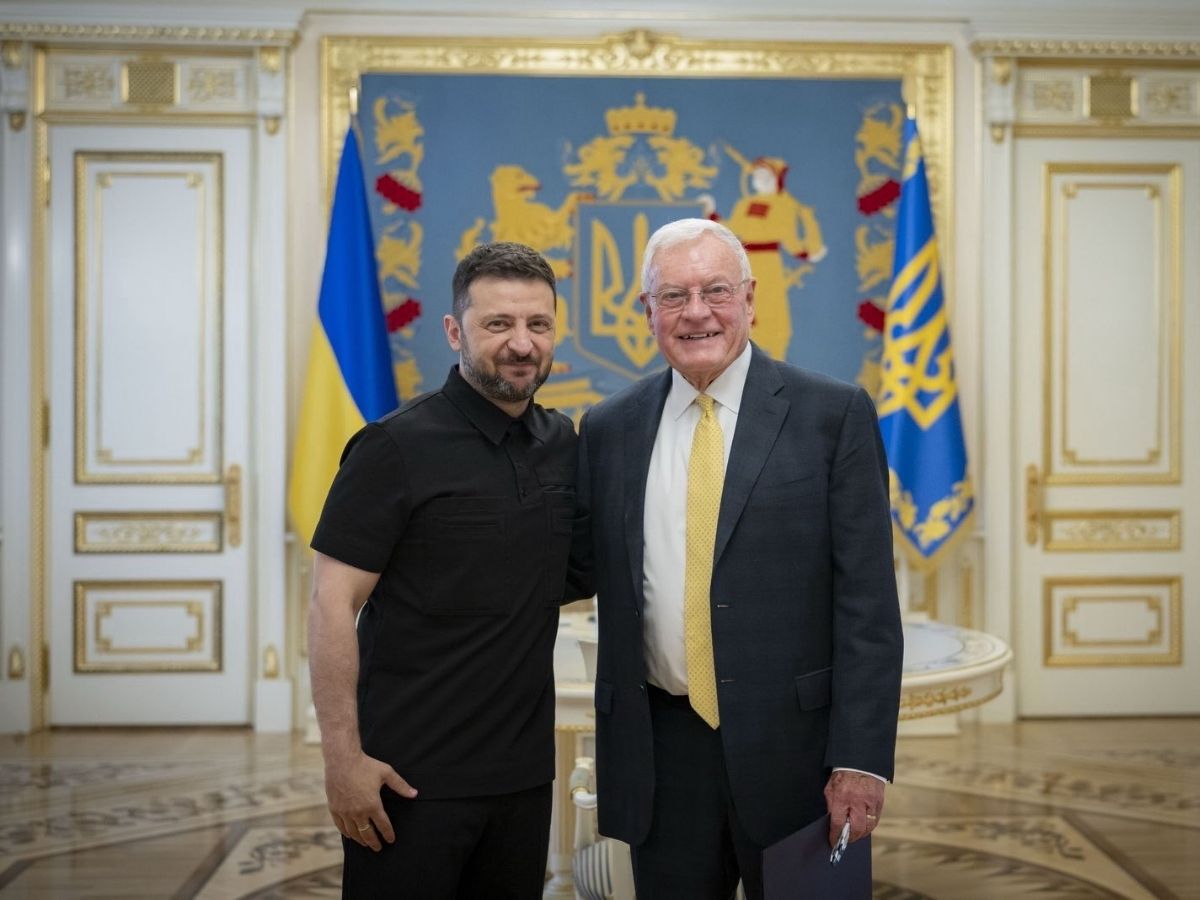

As US President Donald Trump headed to Alaska for a potentially pivotal summit with Russian President Vladimir Putin, one key figure was notably absent from the delegation: Keith Kellogg, Trump’s special envoy for Ukraine, according to a CNN report published Friday.
Why Kellogg Isn’t at the Table
Kellogg, a retired US general and the Trump administration’s primary point person on Ukraine, isn’t attending the Alaska summit because he is seen by Moscow as “too sympathetic” towards Ukraine — a perception that could have made his presence “counterproductive,” CNN quoted a senior American official as saying.
According to the US media network, Kellogg has already briefed Trump and Secretary of State Marco Rubio on his discussions with Ukrainian officials. The Trump administration, for its part, has, in fact, stressed that the briefing in turn has ensured Trump is fully informed.
One official also pointed out that Rubio isn‘t viewed as “soft“ on Russia, recalling his past statements calling Putin a “war criminal“ during his time on the Senate Foreign Relations Committee, as reported by CNN.
European Allies Express Concerns
Kellogg‘s exclusion, however, has reportedly rattled some European leaders. “He had hoped to be there, and he should be there,“ a European official told CNN, calling it a loss not to have Kellogg‘s insights at the table. According to the official, Kellogg has the “best grasp“ of what Ukraine might realistically accept in a deal.
According to the report, Kellogg is likely to be included in any future trilateral talks involving the US, Russia and Ukraine.
A Long Summit Ahead
Meanwhile, Kremlin spokesperson Dmitry Peskov has said the Trump-Putin meeting could last “at least six to seven hours“, Russian state media RIA Novosti reported. The summit will begin with one-on-one talks aided by interpreters, followed by wider discussions over a working lunch with aides, although it‘s still unclear which American aides will be involved.
What Europe Wants From Trump
European leaders are closely watching Trump, worried that Putin might steer him back to a more accommodating stance. In a joint statement, France, Germany and the UK outlined their main expectations that reportedly include:
- Peace talks must only begin after a ceasefire or lasting end to hostilities.
- If Russia refuses, new sanctions should follow.
- Borders must not be redrawn by force, the EU leaders said in a clear rejection of Trump‘s earlier comment suggesting that “there will be some land swapping going on.“
- Ukraine‘s security guarantees must be strong and credible, and Russia shouldn‘t have a veto over Ukraine joining the NATO or the European Union.




