
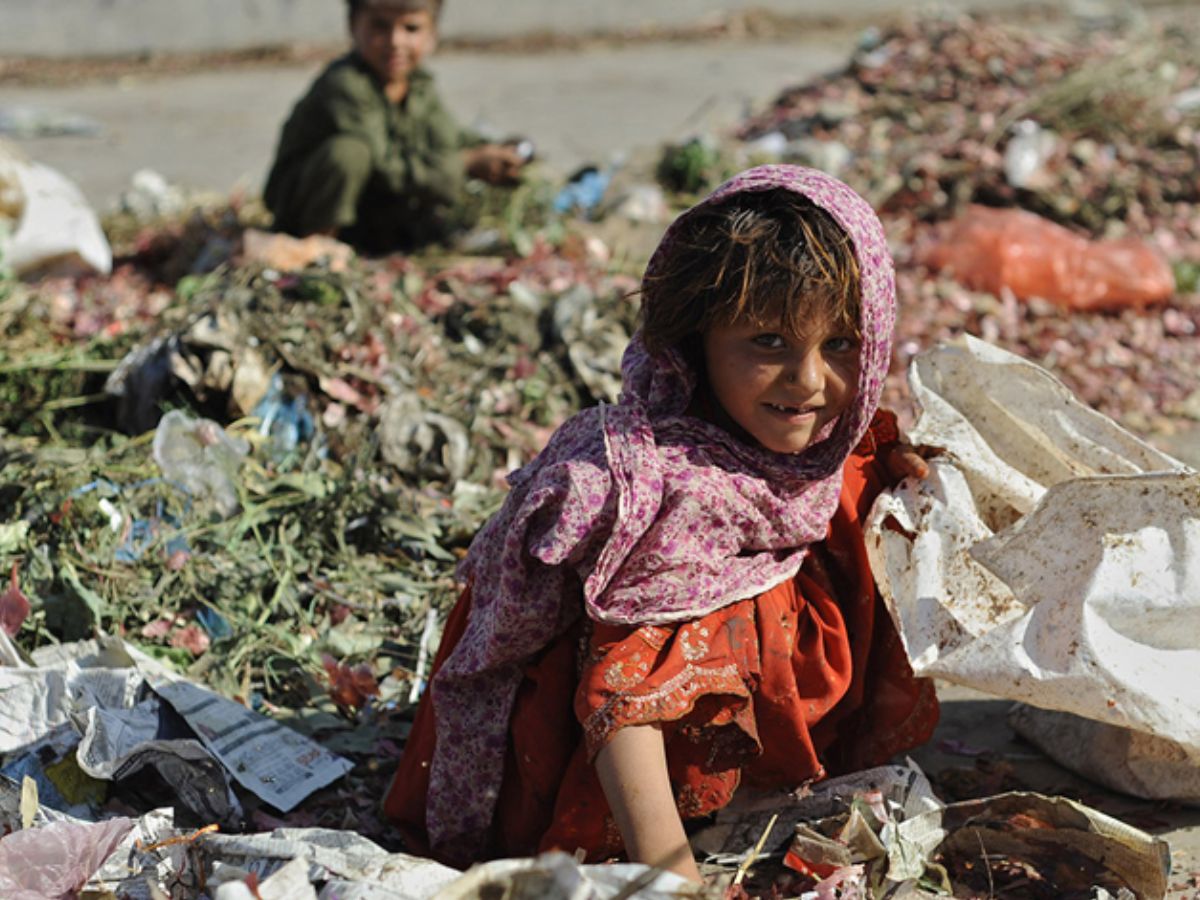

World Bank Group has raised serious concerns about Pakistan’s rising poverty and increasing inequality amid a growing economic crisis in its latest report, “Reclaiming Momentum Towards Prosperity: Pakistan’s Poverty, Equity and Resilience Assessment.”
This study, the country’s first comprehensive poverty assessment in more than twenty years, portrays a bleak scenario of an economy constrained by weak reforms, low productivity, and an over-reliance on consumption-driven growth.
Pakistan’s Falling Poverty Rate
According to the World Bank Group, Pakistan’s poverty rate, which had fallen dramatically from 64.3 per cent in 2001-02 to 21.9 per cent in 2018-19, has started climbing again since 2020.
The reversal is attributed to overlapping shocks, including the COVID-19 pandemic, inflationary pressures, devastating floods, and fiscal mismanagement. The report warns that these setbacks, coupled with structural inefficiencies, have undone years of progress and pushed millions back into deprivation.
Bolormaa Amgaabazar, Country Director of the World Bank Group for Pakistan, stated the need for urgent, people-centred reforms. “Safeguarding Pakistan’s hard-won poverty reduction gains while creating jobs and expanding opportunities, especially for women and youth, must be a national priority,” she stated.
Job Crisis in Pakistan
The assessment draws on 25 years of official data and advanced modelling, revealing that while non-agricultural labour growth once lifted many out of poverty, the lack of industrial diversification and job creation has now stalled income growth. Over 85 per cent of Pakistan’s workforce remains trapped in informal employment, with women and young people largely excluded from productive sectors.
40% Pakistani Children Stunted, and Many Lack Education
The World Bank Group report further highlights alarming human development gaps: 40 per cent of children suffer from stunted growth, a quarter of primary-aged children remain out of school, and 75 per cent of those enrolled are unable to read a basic story. Meanwhile, only half of households have access to safe drinking water, and nearly one-third lack proper sanitation facilities.
World Bank Group Calls for Urgent Reforms in Pakistan
Highlighting the country’s entrenched rural-urban divide and the emergence of “sterile agglomerations” in cities, the report urges comprehensive reforms. It outlines four recovery pathways: investing in people and public services, strengthening social safety nets, implementing progressive fiscal policies, and improving data-driven governance to restore sustainable and inclusive growth. Since joining the World Bank Group in 1950, Pakistan has received over USD 48 billion in assistance; yet, its economic trajectory remains precarious and reform-resistant.
Manisha Chauhan is a passionate journalist with 3 years of experience in the media industry, covering everything from trending entertainment buzz and celebrity spotlights to thought-provoking book reviews and practical health tips. Known for blending fresh perspectives with reader-friendly writing, she creates content that informs, entertains, and inspires. When she’s not chasing the next viral story, you’ll find her diving into a good book or exploring new wellness trends.




