
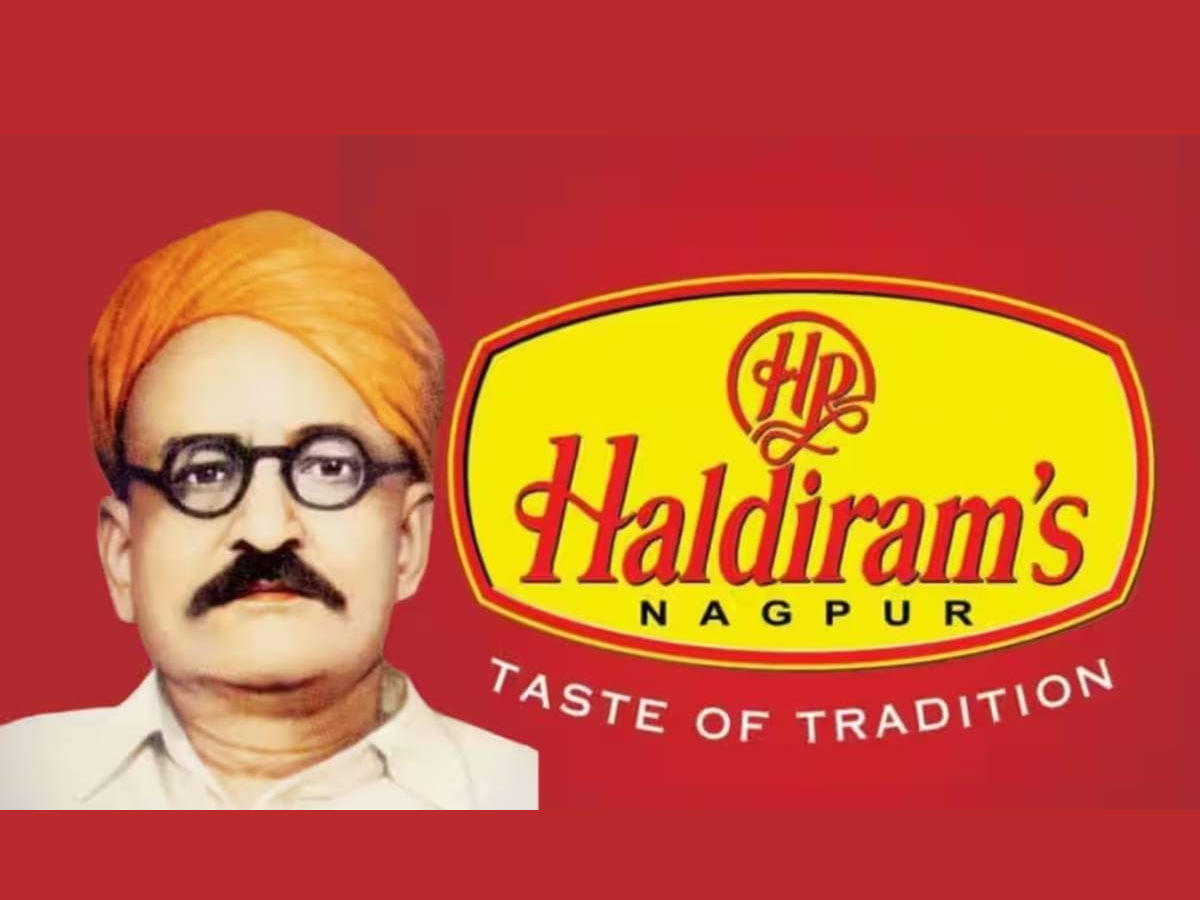

Haldiram’s presents a long journey of expansion, as the brand moved from a small shop in Bikaner to a leading global snack company. The brand marks its position through its focus on quality, consistent taste, and authenticity. The company started decades ago and built trust among families in India and abroad.
Its products entered millions of homes over the years. The company also grew through constant innovation in snacks and sweets. Today, Haldiram’s operates as a major player in the packaged food industry and continues to strengthen its reach across countries through strong distribution and supply networks.
The Early Beginning Of Haldiram’s In Bikaner
Haldiram’s started its journey in 1937 when Ganga Bishan Agarwal, also known as Haldiram Ji, opened a small confectionery shop in Bikaner, Rajasthan. He sold bhujia and traditional Indian sweets, and his focus on taste and hygiene helped the shop gain steady popularity.
His approach laid the base for the brand’s future. Over time, the shop grew into a recognised name for snacks. His family members joined the business and carried forward his methods to maintain consistent quality. This early period established the identity of Haldiram’s as a trusted name for bhujia, sweets, and namkeen snacks in the region.
The next phase of growth began when the Agarwal family expanded the business beyond Bikaner. They opened new outlets in Delhi, Nagpur, and Kolkata during the 1980s. These moves helped the brand enter bigger markets and reach more consumers. The family members managed different branches and introduced new product categories to serve changing demand.
The company gradually moved from a local brand to a national one. This expansion period helped Haldiram’s establish large production units, improve packaging, and set up wider networks. The growth in major Indian cities built the base for its future international presence.
Division Of The Family Business And Product Diversification
With time, the business divided into separate entities managed by different branches of the Agarwal family. These units included Haldiram’s Bhujiawala in Kolkata, Haldiram’s Prabhuji in Kolkata, and Haldiram’s units in Nagpur and Delhi. Each unit operated independently and built its own distribution system.
Despite the division, all of them expanded their offerings. The company added namkeens, sweets, papads, and ready-to-eat meals to attract more customers. They kept traditional recipes but used modern systems to meet large-scale production needs. This balanced approach helped the brand maintain taste while serving consumers across different regions.
Global Reach And Digital Expansion Of The Brand
By the 1990s, Haldiram’s products began reaching international markets. The company exported snacks to countries with a large Indian population and later expanded to more regions. Currently, Haldiram’s products are available in over 80 countries. The brand built strong production facilities across India and created a wide distribution network to support its growth.
In recent years, Haldiram’s adopted digital platforms to increase visibility and reach. It partnered with leading e-commerce companies and improved its online presence. The company now records an annual turnover of more than 1 billion dollars, based on brand value and total revenue.
Must Read: Try The Latest Gemini Nano Banana AI Prompt That Turns Your Image Into A 3D Caricature Look
Swastika Sruti is a Senior Sub Editor at NewsX Digital with 5 years of experience shaping stories that matter. She loves tracking politics- national and global trends, and never misses a chance to dig deeper into policies and developments. Passionate about what’s happening around us, she brings sharp insight and clarity to every piece she works on. When not curating news, she’s busy exploring what’s next in the world of public interest. You can reach her at [swastika.newsx@gmail.com]




