
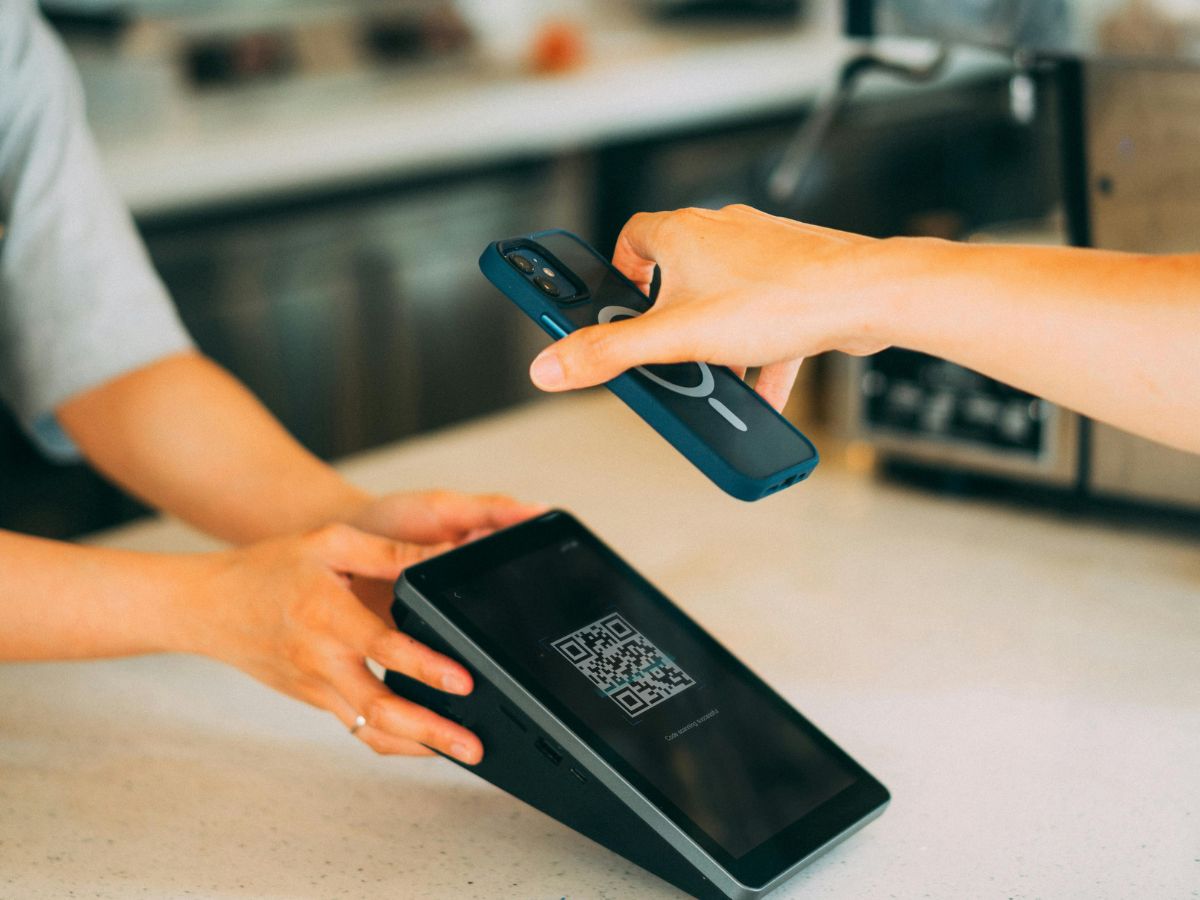

Indian tourists who are visiting Malaysia will shortly be able to make payments using UPI Apps of India, by just scanning a QR code at the merchants in Malaysia. Razorpay, an Indian fintech firm has partnered with NPCI International Payments Limited (NIPL) through its Malasian arm, Curlec by Razorpay in order to start this service.
Payments from Indian UPI apps will be forwarded to Malaysian merchants in their own currency, Malaysian ringgit.
India’s UPI in Malaysia: Impact on Retail, Travel and Hospitality Sectors
This development will benefit Indian tourists along with the Malaysian merchants, simultaneously. As per travellers’ data, more than one million Indian tourists spent more than Rs.11,000 crore in Malaysia during 2024. With the acceptance of UPI, retailers, hotels and travel-services providers in Malaysia can knock into the familiar payment practice of Indian travellers.
This will probably increase the business volumes. For the travellers from India, this move offers suitable by removing the hassles or cash-carrying concerns through the transaction from foreign cards.
India’s UPI in Malaysia: Fintech and Regulatory Implications
From the point of view of fintech, this partnership line up with the global strategic expansion of Razorpay. The company entered Malaysia through Curlec, targeting regional growth in Southeast Asian region. Distinctly, NIPL has been working to outspread the acceptance of UPI-QR into other markets in Asia, such as Malaysia.
Though, the complete merchant-onboarding timeline and details of the transaction-fee have not been disclosed publicly. This indicates a step in the direction of a larger cross-border digital-payments interoperability in between India and other ASEAN markets.
Also Read: Why Changpeng Zhao’s Cleared Record Could Reshape Global Crypto Policy
Ankur Mishra is a journalist who covers an extensive range of news, from business, stock markets, IPOs to geopolitics, world affairs, international crises, and general news. With over a decade of experience in the business domain, Ankur has been associated with some of the reputed media brands. Through a sharp eye on global marketplaces along with deep insights and analysis of business strategies, Ankur brings simplicity to the complex economic matrix to decode market trends and empower people.
He is committed to entrenched data, facts, research, solutions, and a dedication to value-based journalism. He has covered trade tariff wars, international alliances, corporate policies, government initiatives, regulatory developments, along with micro- and macroeconomic shifts impacting global fiscal dynamics.




