
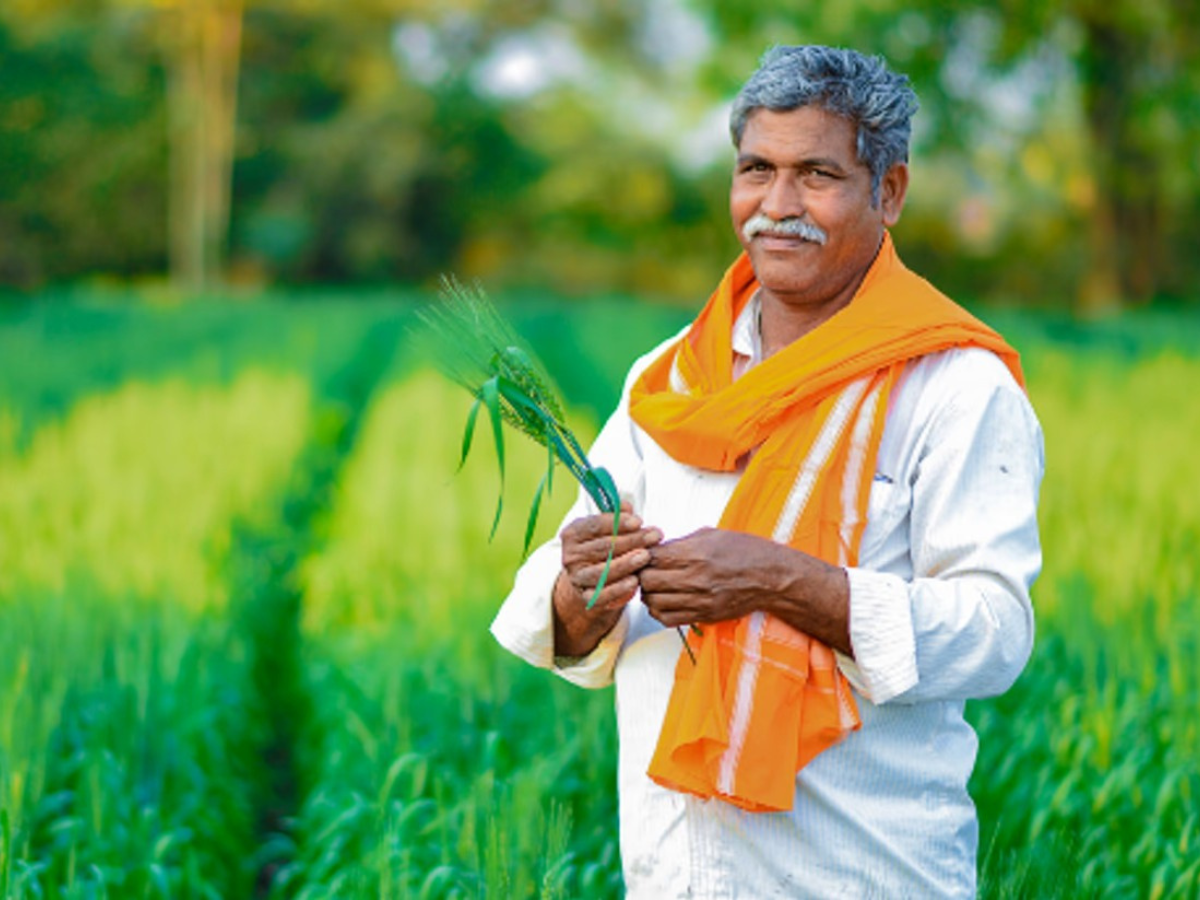

The 20th instalment of the PM-Kisan Yojana, which was expected in June, will now be released in July 2025. However, the government has not announced an official date. Prime Minister Narendra Modi is expected to release the funds at an upcoming event.
The Ministry of Agriculture and Farmers Welfare (MoAFW) has urged farmers to complete six key tasks to receive the ₹2,000 payment. These tasks include:
1. Complete e-KYC for all eligible farmers.
2. Link Aadhaar number with their bank account.
3. Verify bank details, including the correct account number and IFSC code.
4. Digitally verify land records and fix any discrepancies.
5. Check beneficiary status at pmkisan.gov.in.
6. Update mobile number to ensure OTPs and alerts are received.
The electronic verification process (e-KYC) can be completed via OTP, biometric, or facial authentication. Farmers are advised to check their payment status regularly on the official portal.
What is the PM-Kisan Scheme?
The PM-Kisan scheme was launched in 2019. It provides ₹6,000 annually to eligible small and marginal farmers, released in three equal instalments directly into their bank accounts. The 19th instalment was released in February 2025.
For new registrations, applicants must visit the PM-Kisan scheme website and complete the online registration process to begin receiving benefits.
Also Read: Congress Betrayed Farmers, CM Escaped Accountability: KTR’s Scathing Attack At Hyd Press Club
Ankur Mishra is a journalist who covers an extensive range of news, from business, stock markets, IPOs to geopolitics, world affairs, international crises, and general news. With over a decade of experience in the business domain, Ankur has been associated with some of the reputed media brands. Through a sharp eye on global marketplaces along with deep insights and analysis of business strategies, Ankur brings simplicity to the complex economic matrix to decode market trends and empower people.
He is committed to entrenched data, facts, research, solutions, and a dedication to value-based journalism. He has covered trade tariff wars, international alliances, corporate policies, government initiatives, regulatory developments, along with micro- and macroeconomic shifts impacting global fiscal dynamics.




