

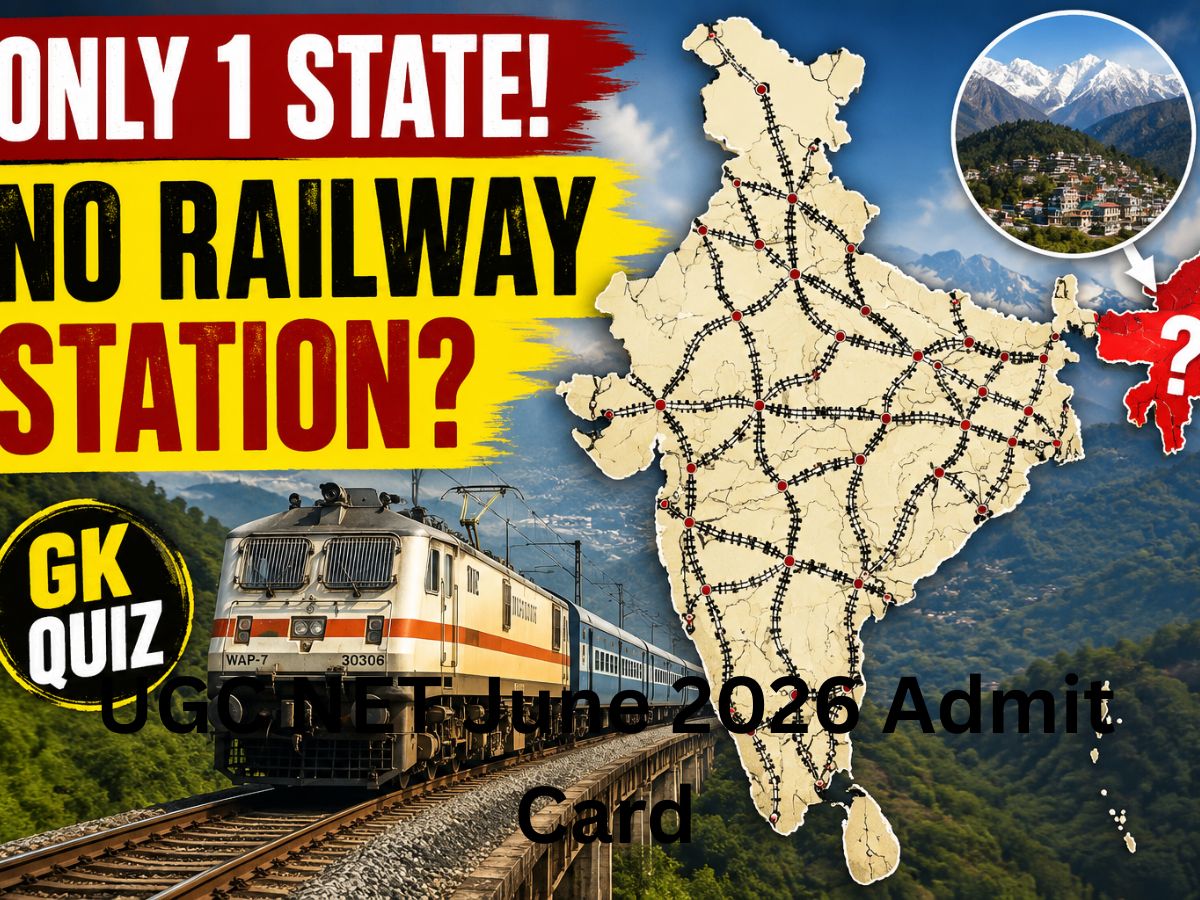
India’s huge railway network takes daily millions of passengers and interconnects almost every state in the country. From the city to the village, the railways have been the backbone of transportation, trade and tourism. But one state has remained outside its jurisdiction. Sikkim, a tiny adjoining state in the eastern Himalayas, is the only state in India that doesn’t have any working railway station or rail connectivity. The state can be reached by road or by aerial routes, but not by train yet.
Why is there no railway connectivity in Sikkim
The lack of railway connectivity in Sikkim is mainly due to its tough conditions of geography. The Indian state has rugged mountain slopes and deep ravines, piecemeal terrain, landslides and a fragile environment.
The railway infrastructure in the plains of the country is comparatively easier because of the level track. To lay railway tracks in Sikkim, far too many tunnels and bridge structures have to be built in the crops of the Himalaya Mountains. These geographical constraints have been piling up dates of projects in Sikkim for many years, and the state is still not a part of the huge rail network of India. Hence, Sikkim is still the last state of India without an operational railway station.
How do visitors travel to India’s only railway-less state
Even though Sikkim is not directly connected by rail, accessing the state is no biggie. Most visitors approach Sikkim by a combination of train, road and air transport.
Textbook travellers will generally reach the state by train to New Jalpaiguri (NJP) in West Bengal, which is connected to major cities like Delhi, Kolkata, Mumbai and Guwahati. Passengers then go to Gangtok by taxi, shared vehicle or bus.
There is also air transport to a limited extent, with Sikkim’s own airport at Pakyong commencing operations recently. Even so, Bagdogra Airport in West Bengal is the most common aviation gateway for most visitors. Tourists then reach the capital by road in about 4-5 hours. Road is a major means of transportation for travellers clearly within the state and also connects the state to the rest of the nation through National Highway No. 10.
What is Sevoke-Rangpo railway project
The Sevoke Rangpo railway project is the most awaited railway project that is sure to revolutionise connectivity for the people of Sikkim. The railway line, which is currently under construction, will connect Sevoke in the Indian state of West Bengal to Rangpo in Sikkim, near the Sikkim border.
Stretching about 45 kilometres, the route crosses difficult Himalayan terrain requiring the construction of a number of tunnels and bridges. Railway officials have said the project will become one of the most complex infrastructure projects in the country due to the geological and environmental conditions along the route.
Once the project is completed, it will provide the first rail link to Sikkim from India’s national railway network.
What impact would railway connectivity have on Sikkim
A railway connection will be a major diplomatic attraction that can promote tourism, trade and all other economic activity in the state. The ease of transporting goods will reduce the state’s dependence on roads, especially during monsoon season when landslides shut down road traffic.
More connectivity could also lead to better logistics for local businesses, reduce transportation costs, and bring added convenience for tourists and travellers. Sikkim sharing international boundaries with China, Bhutan and Nepal, railway connectivity is also expected to improve strategic access to the state. Currently, Sikkim remains the only Indian state that does not have its own railway station. But with the Sevoke-Rangpo railway line nearing completion, this all-too-rare distinction may soon be a thing of the past.
Also Read: GK Quiz: Which Country Is Known as the World’s Smallest Island Nation?
Radhika is a journalist with two years of experience covering education, competitive exams, and student-focused developments. She reports on exam notifications, results, admissions, scholarships, and academic policies, helping students stay updated with important information.
Known for her clear and reader-friendly writing, she simplifies complex education updates into accessible stories that guide aspirants, students, and parents. She is also interested in highlighting inspiring student journeys and grassroots education initiatives.
For queries or story tips, you can reach out to her on X (formerly Twitter): https://x.com/Hitkariradz





