
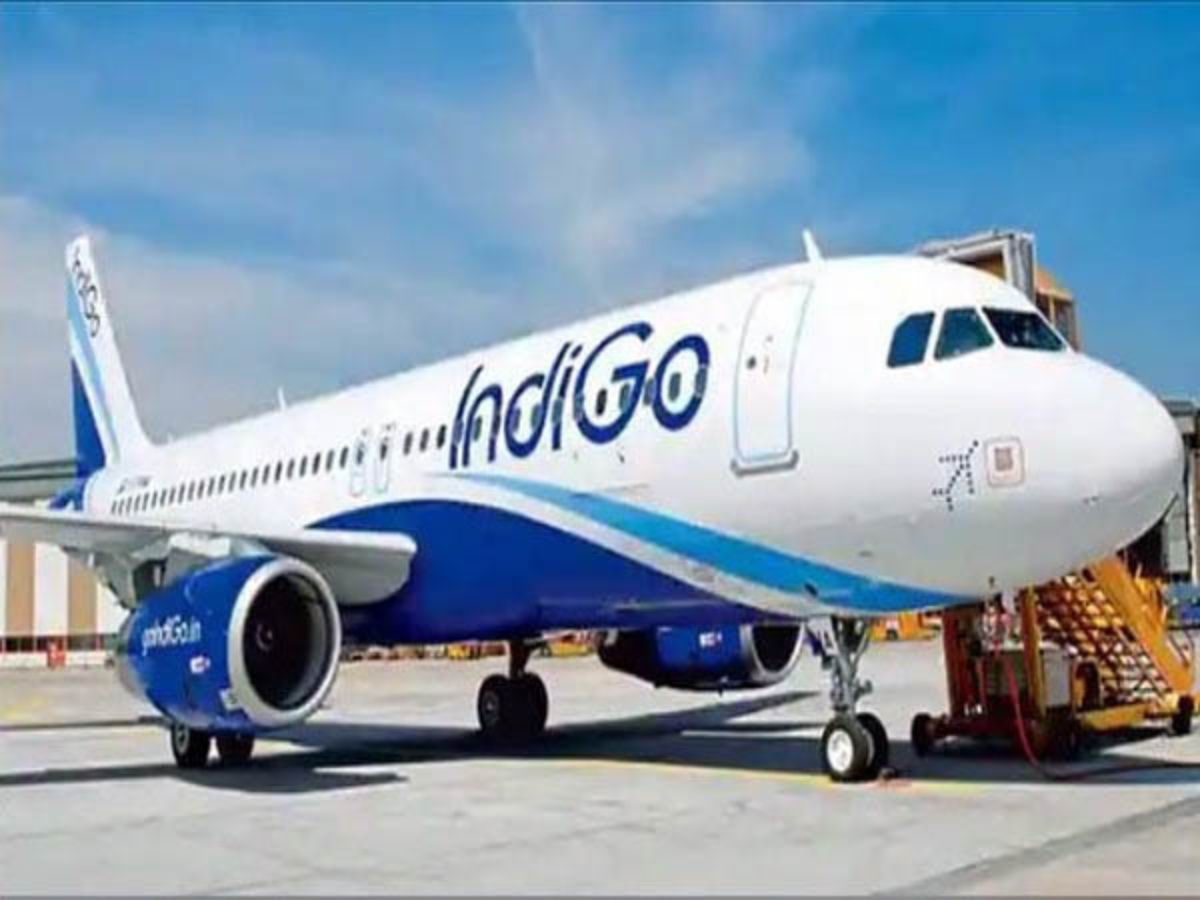

India’s aviation sector has hit severe turbulence this week as tightened pilot fatigue rules and peak winter schedules collided, triggering widespread cancellations and chaos across airports. For the fifth consecutive day, IndiGo, the country’s largest airline, faced massive operational disruptions, cancelling nearly 400 flights across key airports including Delhi, Mumbai, Hyderabad and Guwahati.
Thousands of passengers were left stranded with last-minute alerts, long queues and uncertain wait times, prompting a national debate about pilot safety standards and airline preparedness.
At Delhi Airport alone, authorities confirmed that 54 departures and 52 arrivals were cancelled by Saturday morning. In Hyderabad, airport operator GMR reported 69 cancellations, significantly impacting normal operations.
Guwahati saw packed terminals and frustrated passengers after several IndiGo flights were grounded without advance notice. As disruption continues, a term unfamiliar to many travellers has suddenly taken centre stage: FDTL.
What Is FDTL and Why It Matters
FDTL stands for Flight Duty Time Limitations, a framework issued by the Directorate General of Civil Aviation (DGCA) to regulate the number of hours pilots can work, how many flights they may operate, how much rest they must receive and how night operations are structured.
The central objective of FDTL rules is aviation safety, based on the understanding that fatigue significantly increases operational risks, especially during night flying and early-morning departures.
The DGCA revised the FDTL regulations in January 2024 after reviewing fatigue incidents and comparing global regulatory models. The updated rules are being enforced in phases, with the transition entering its most critical stage this winter, when demand is high and weather delays are frequent. Airlines were expected to restructure rosters and increase pilot availability to comply, but many are now struggling.
How the Rules Worked Earlier
Before the 2024 revision, FDTL norms last changed in 2019 and provided greater flexibility to airlines. Pilots were entitled to at least 36 hours of weekly rest, and night was defined as the period between midnight and 5 a.m.
Up to six night landings were permitted in a single duty cycle, and both daytime and night flying could stretch up to ten hours, with duty periods often extending to thirteen hours. These allowances enabled dense late-night scheduling and short-turnaround sector hopping, but pilot associations repeatedly warned that the norms allowed excessive fatigue accumulation, especially during back-to-back night duties.
What Changed Under the New DGCA Fatigue Rules
The revised FDTL norms, now in force, have significantly tightened work-rest limits. Pilots must receive a minimum of 48 hours of weekly rest, which increases to 60 hours if they operate more than three night duties within any seven-day period.
The definition of night has been expanded from midnight to 6 a.m. instead of midnight to 5 a.m., and pilots may now perform no more than two night landings per duty. Only two consecutive night duties are permitted, and maximum night flight time is capped at eight hours, with total duty limited to ten hours. Airlines are also required to submit quarterly fatigue reports and adopt structured fatigue-risk monitoring.
These changes were introduced after regulator review and court directives highlighted that long working hours, frequent early-morning and red-eye operations and multiple landings per shift were major contributors to dangerous fatigue levels in Indian aviation. Pilot unions have consistently maintained that India’s earlier rules were weaker than global safety norms.
Why the New Rules Triggered Flight Cancellations
The phase of mandatory compliance collided head-on with IndiGo’s winter timetable, technical snags, fog delays and a shortage of trained pilots. With approximately 2,300 scheduled flights daily, the airline experienced a sudden collapse in rostering capacity, forcing cancellations to avoid breaching the new duty and rest limitations.
Industry sources reported more than 300 cancellations in two days and a steep drop in IndiGo’s on-time performance to 35 percent, one of the lowest figures in recent history.
According to the Airline Pilots’ Association of India (ALPA), airlines had enough time to plan staffing and scheduling changes but delayed adjustments, resulting in last-minute turmoil. ALPA also alleged that airlines may have filed ambitious schedules to retain airport slots despite insufficient crew availability, contributing to the domino effect.
Regulator Response and the Aviation Safety Debate
As public pressure grew, DGCA issued temporary relaxations, such as extending maximum flight hours from twelve to fourteen and allowing leave to count as rest. IndiGo received a one-time exemption until February 10, 2026, permitting more night duties and landings than the new cap. Pilot unions criticised the concessions as unsafe and demanded uniform rules across all airlines.
Aviation experts argue that while the transition is painful, the long-term benefits outweigh short-term disruption, since fatigue is one of the most significant global factors linked to aviation accidents.
What It Means for Passengers Going Forward
Travellers may continue to experience fewer late-night departures, thinner schedules and possible fare increases as airlines rework networks. Terminals may see delays until rosters stabilise. For pilots, the revised framework promises safer conditions and more predictable rest. For airlines, the crisis has exposed the need to hire more crew and adopt advanced fatigue forecasting tools.
The current chaos reflects a turning point for India’s aviation sector: a balancing act between safety, capacity and operational discipline. Whether this turbulence is temporary or signals deeper structural fragilities will depend on how urgently airlines adapt to a system designed not for convenience, but for safety.
Sofia Babu Chacko is a journalist with over five years of experience covering Indian politics, crime, human rights, gender issues, and stories about marginalized communities. She believes that every voice matters, and journalism has a vital role to play in amplifying those voices. Sofia is committed to creating impact and shedding light on stories that truly matter. Beyond her work in the newsroom, she is also a music enthusiast who enjoys singing.




