
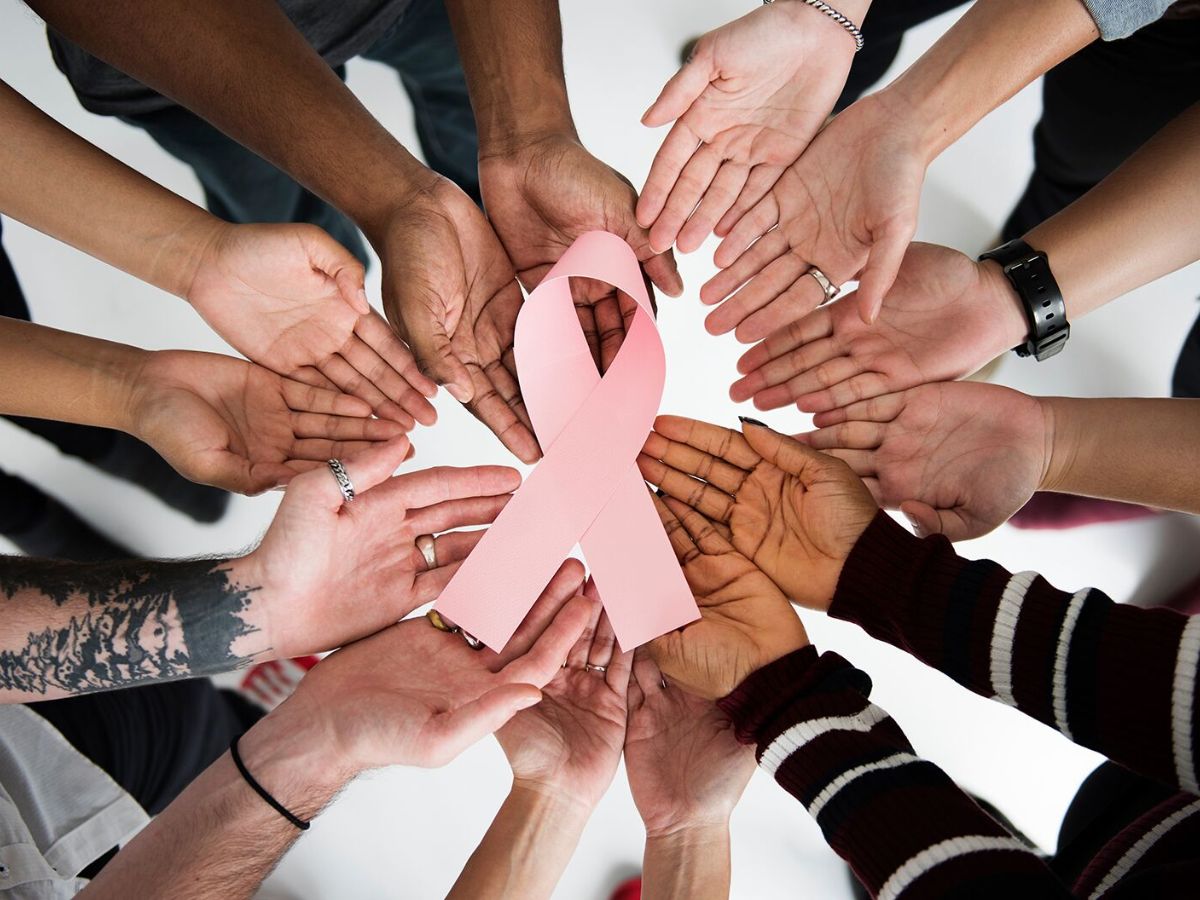

Breast cancer is the most prevalent and dreaded cancer in all women in the world. Not only does it contribute to a significant number of deaths among women associated with cancer, but it also has a high emotional and psychological burden, which impacts on people in the family setting and community. However, many females only come to know about it when it is too late. Regular screening, lifestyle awareness are the top three things and it would change this.
Breast cancer develops in the body parts found in the breast mostly in the ducts or lobules. The risk factors include age, the family history, any hereditary mutations (including BRCA1 and BRCA2 genes), the hormonal imbalance, being overweight, leading a sedentary lifestyle and overdrinking. The disease is non-discriminative as young women are affected as well although it is more prevalent above the age of 40 years.
The symptoms may include a painless lump, degreasing of the nipple, dimpling on the skin, or any other changes in breast size or shape. But often breast cancer has no apparent signs in the initial stages and so, self-examination, medical examination of breasts, and routine mammography are essential. As advances in treatment catch the disease early the survival rates have increased dramatically with all these treatment options including surgery and chemotherapy, hormone therapy and immunotherapy.
In India, screening efforts have moved to rural and semi-urban areas due to awareness campaigns and government initiatives like Ayushman Bharat, but there is still a stigma, a lack of access and low health literacy. An open discussion, assistance to victims, and awareness of well-timed medical care would be enough to facilitate a change.
Other Cancers That Affect Women
Breast cancer manifests itself as much as it is in the limelight; there is also cervical, ovarian, endometrial, thyroid, lung, colorectal and skin cancer to contend with by women. One such form of cancer is cervical cancer that can be prevented through HPV vaccination and screening on an occasional basis. Female cancer culprits like ovarian and endometrial are far much harder to detect at an early stage but still need publicity due to the vagueness of the symptoms like bloating and uncommon bleeding.
Moreover there is an upward trend in lung cancer in women which is assumed to happen due to pollution and smoking but thyroid and skin cancer levels are prevalent among the younger women. Following up routine checkups, family history, maintaining a healthy lifestyle and attending healthcare facilities whenever any features of the body are not feeling okay are some of the ways in which women’s health can be approached in a holistic manner. What to look for will make the difference




