
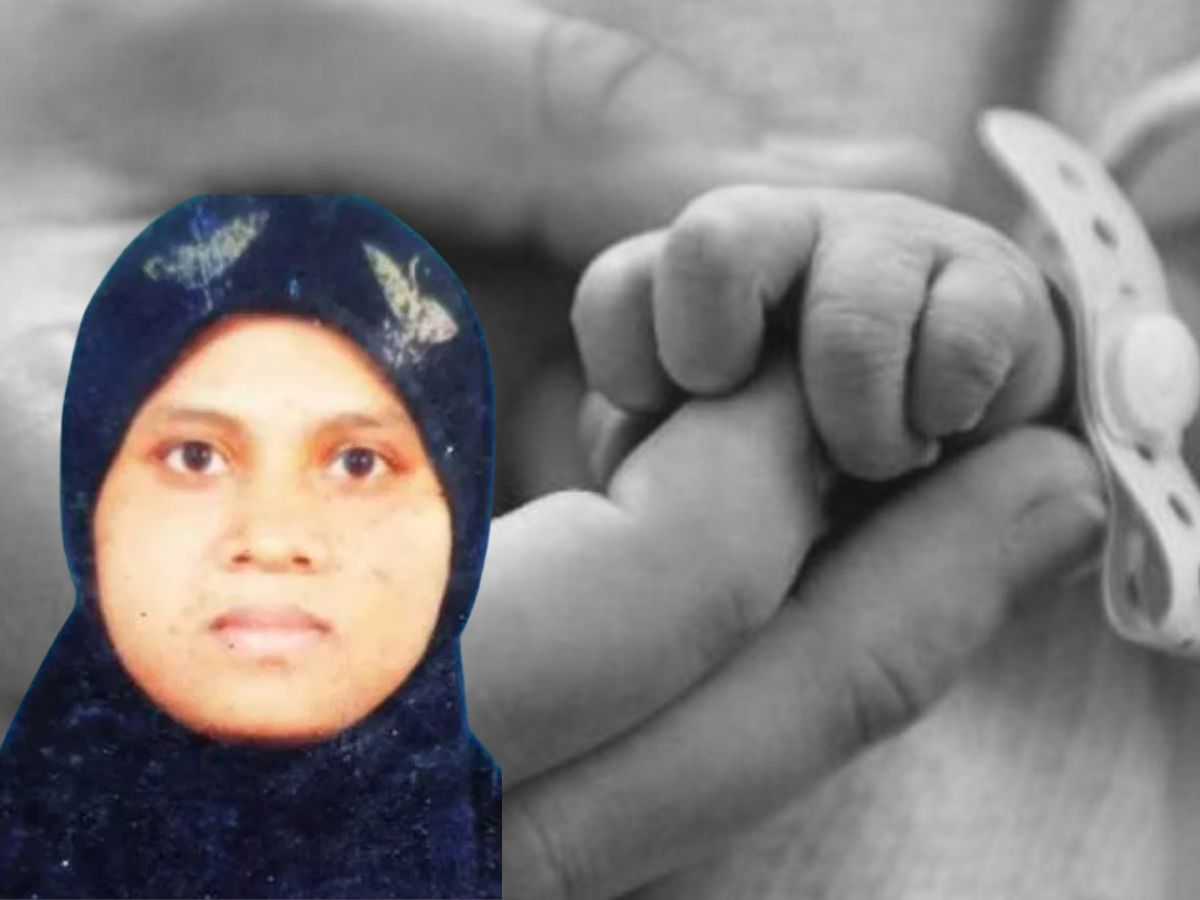

Asma was 35. Pregnant with her fifth child. When the due date arrived, an arrangement was made for her delivery, like the last two times, within the walls of her rented home in Kerala’s Chattiparamba in Malappuram district. Asma delivered a baby boy on April 7. The newborn survived, but Asma didn’t.
Media reports from April 2025 said only the first two of her children were institutional deliveries, and it was alleged that Asma’s husband Sirajuddin, who runs a YouTube channel of religious nature, did not want the deliveries to take place in a hospital due to his personal beliefs against modern healthcare.
All five children are now left without their mother, and their father was arrested on charges of homicide not amounting to murder. The YouTuber had reportedly been critical of institutional deliveries, and spoke about this in his videos.
Home Births A Threat to Kerala’s Healthcare Success
Asma’s death, due to severe post-partum haemorrhage following the unassisted home birth with no access to obstetric care, provoked outrage throughout Kerala. Ironically, the death occurred on the World Health Day 2025, the day the World Health Organization (WHO) launched ‘Healthy beginnings, hopeful futures’, a yearlong campaign focused on ending preventable maternal and newborn deaths, and prioritising longer-term health and well-being of women.
Asma’s death came as a blot on a modern state like Kerala that has a strong maternal care system and healthcare infrastructure. The state enjoyed the top rank in terms of overall performance in nationwide health surveys in the past.
ALSO READ: In Pics: Five Common Early Signs That May Indicate You’re Pregnant
What is concerning is Asma’s is not a one-off case of home birth in the state that also boasts of a high literacy rate. After the Malappuram resident’s death, Kerala Health Minister Veena George, while expressing concern over “false propaganda through social media about home birth”, had said on record that Kerala sees nearly 400 home births every year, even as she said the government would investigate the reasons.
The Kerala Government Medical Officers’ Association puts this number at 500.
In fact, the Niti Aayog’s latest ‘good health and wellbeing index’ puts Kerala on the fourth position overall, with experts citing a growing inclination towards home deliveries among certain people among the factors.
Speaking to NewsX, Dr. Binitha Shajeem, a Kerala-based senior gynaecologist and maternal health campaigner, explained how birth through unscientific methods is unsafe, and outlined how maternal care has to accelerate integration of both mental healthcare and awareness campaigns to save lives. She also spoke about the medical and legal loopholes that enable home births to continue.
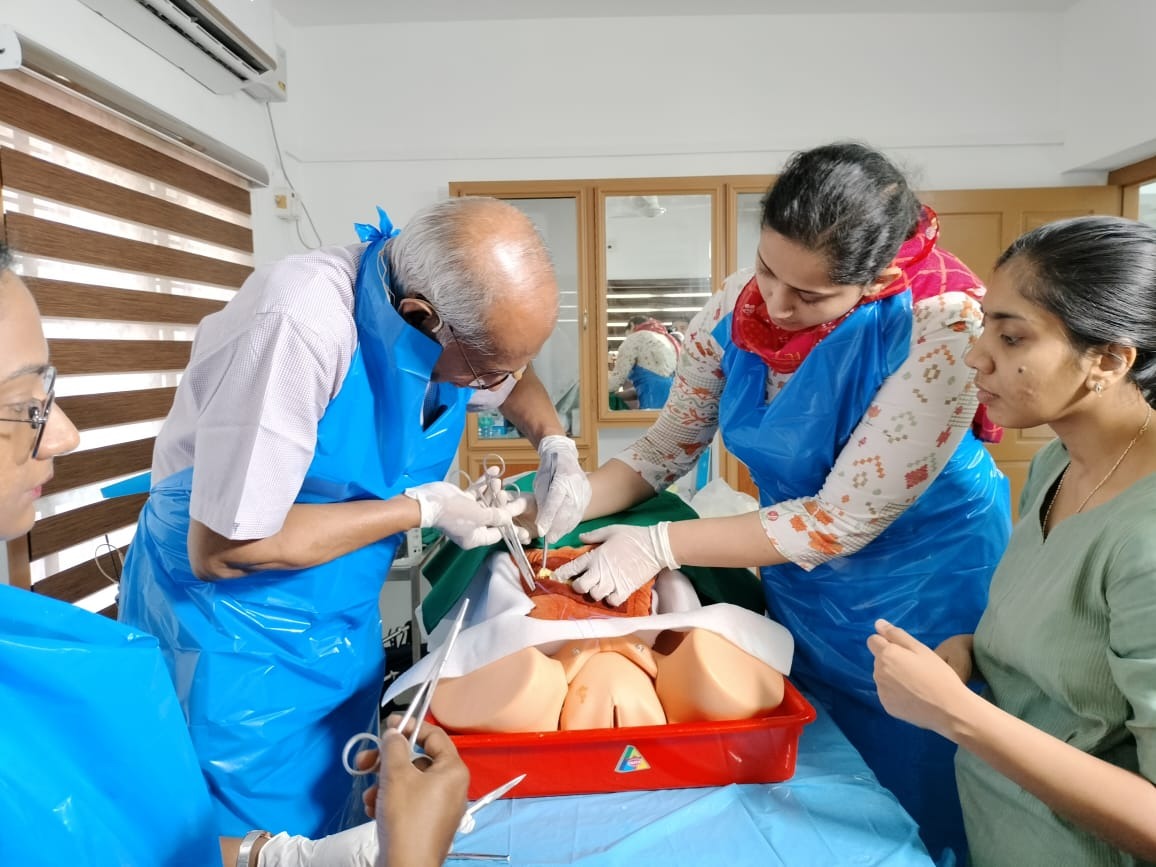
Dr Shajeem said unsupervised home births threaten to undo years of effort undertaken by the government to reduce maternal and infant mortality.
“Kerala’s infant and maternal death rates are at the level of the West because of consistent investment in health,” Dr Binitha said. “But all this is being negated by home births. Even if a pregnancy is normal, problems can arise suddenly. In hospitals, we can respond instantly; homes cannot.”
While she did not categorically label all home births as criminal, Dr Binitha made it clear that forcing a woman to deliver at home or denying her medical care is a criminal offence. “If a woman, after proper information, wishes to deliver at home, that is her prerogative. But no one should compel a woman to deliver at home against her will. That is a criminal act.”
The Kerala Federation of Obstetrics and Gynaecology (KFOG) conducts maternal death audits, updates guidelines, and provides comprehensive training.
Home births bypass these crucial safety checks, said Dr Binitha. “Home births will have no trained staff, no emergency system, and no sterile environment. All attempts at lowering death rates are futile if births are done without medical supervision.”
Why Government Can’t Ban Home Births
According to the Kerala Government Medical Officers’ Association, around 3 lakh births occur in Kerala annually, of which around 500 still deliveries still take place at home. What makes regulating this difficult is the fact that home births are not completely illegal as per law.
Dr Binitha Shajeem said home births are illegal only if they involve proven medical negligence or coercion.
“If a woman chooses home delivery of her own free will, the government cannot intervene. What we can do is become more aggressive with awareness campaigns,” she added. “Most of the maternal deaths are preventable with early diagnosis and timely intervention. Bleeding, infection, or hypertension could be treated but only in medical facilities.”
Home births are of no medical value, she said. “Some women believe that they will receive emotional support if they have family members present during labor, but hospital care can also be gentle and with the added security of medical expertise.”
ALSO READ: Is It Safe For Pregnant Women To Consume Seafood?
The disadvantages, she said, are vastly more significant: lack of good medical surveillance, non-detection of complications early, and late emergency intervention. She continues to say that social media has an unsafe effect in encouraging home birth, causing women to believe they can abstain from surgery. “C-sections are performed for safety, not convenience,” she said.
Dealing with Misinformation and Superstitions, and Lack of Awareness
Religious or cultural grounds, according to Dr Binitha, are not a major cause of the rising home births. “Most individuals act on advice from people who have half-baked information. It’s not very much to do with religion and more to do with disinformation,” she said.
For example, use of the ‘Maryam flower’ at delivery, held to imply cervical dilation by some, is one such superstition but harmless in itself. “There is no scientific evidence that it works. I have also seen patients carrying it to hospitals. It’s just a belief, usually with fear of surgery,” Dr Binitha said.
She said physicians and the health system must educate mothers during antenatal visits, arranging classes and counselling for them. “Some women are afraid of having a Cesarean or labour pain, but today we have pain-free delivery and psychological support in hospitals.”
Referring to Asma’s case, Dr Binitha said: “Women must be empowered to take their health into their own hands. In Kerala, care is accessible and affordable even in state hospitals. Women must voice their own demands because they and their babies are the ones at risk.”
Mental health care, especially for mothers who have just given birth, is still another area that lacks maternal care, he said. Referring to a recent incident where a woman with postpartum depression is said to have killed her baby, Dr. Binitha said: “Postpartum depression is serious. Women go through drastic physical and emotional changes after delivery, no sleep at night, anxiety, etc. Doctors and ground workers must be trained early on to recognize these signs, and families must offer emotional support. Mental health has to become part of maternal care.”
ALSO READ: Am I Pregnant? Key Symptoms to Watch After Unprotected Sex
Sofia Babu Chacko is a journalist with over five years of experience reporting on Indian politics, crime, human rights, gender issues, and stories about marginalized communities. She believes journalism plays a crucial role in amplifying unheard voices and bringing attention to issues that truly matter. Sofia has contributed articles to The New Indian Express, Youth Ki Awaaz, and Maktoob Media. She is also a recipient of the 2025 Laadli Media Awards for gender sensitivity. Beyond the newsroom, she is a music enthusiast who enjoys singing. Connect with Sofia on X: https://x.com/SBCism




