
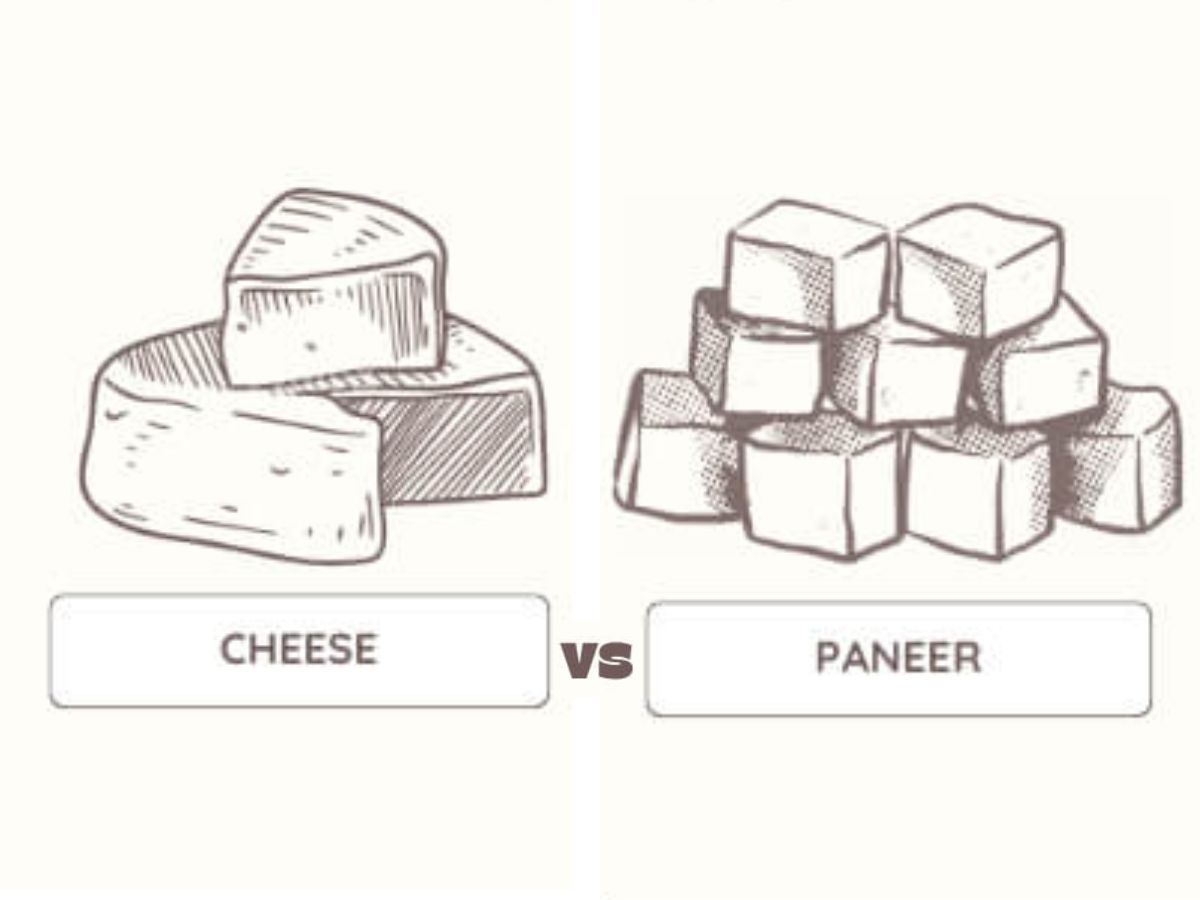

Although paneer and cheese are resemble each other, they are different in origin, preparation, texture, nutrition and applications in the kitchen. One of the first keys is knowing what each thing is so that you can make a conscious decision when cooking or eating.
Origin and Preperation
Paneer is a fresh, unaged cheese that’s mainly found in Indian cooking. To make paneer, hot milk is curdled with lemon juice or vinegar. After separating the curds from the whey, the curds are pressed into blocks to use immediately. Paneer is chemical-free, vegetarian and simple to make at home.
In contrast, cheese is simply a large variety of dairy products made around the world, mainly via an enzyme in the form of rennet and bacterial cultures to milk, fermented, aged differently for a few weeks to a few moths (completely dependent on the age). The age allows different cheese to mature and produce bolder flavor and different textures.
Texture, Flavor, and Culinary Uses
Paneer’s milky flavor, crumbly and soft texture, and firm consistency means that it does not melt when it is cooked. This property is why paneer is excellent in grilled preparations and in curries and tikkas. Since paneer has a neutral flavor, it easily absorbs flavors from spices or sauces – note that this is also an important characteristic for certain pantries of paneer such as paneer butter masala and palak paneer.
Cheese is classified as soft, semi-soft, or hard and the same goes for flavor, which can be mild to sharp. There range of texture and flavor, is embodied in soft cheese spread or bold flavors like blue cheese or brie. The strength of cheese is that it can be melted to a sauce-like consistency and incorporated into other sauces to give creaminess to pizza and pasta, burgers or baked goods. Most cheese on pizza is mozzarella, and cheddar cheese is used most often for prepared cheese sauce and cheese on burgers.
Nutrition, Shelf Life, and Price
Whether you are trying paneer or cheese, both are high in protein, calcium and healthy fats. Paneer is fresh, low sodium, low fat, easy to digest, and would be generally a better choice for any day, especially in India.
Cheese is still nutritious and high in calcium and can be good to eat, but it usually has a higher sodium and saturated fat content because it is aged, cheese also doesn’t last as long, cheese is usually more expensive (especially imported), while paneer is usually cheaper and is done fairly quickly from home.
In conclusion, paneer would be the best choice for fresh, mild-tasting vegetarian meals whereas cheese offers many options for bold flavored meals depending on which style regional cuisine you decide to dine from.
Disclaimer: Nutritional values may vary by brand and preparation method. Readers with lactose intolerance or dairy allergies should consult health professionals before consumption. Content is educational and not professional dietary or medical advice.
Vani Verma is a content writer with over 2 years of experience in lifestyle, entertainment, health and digital media. She has a knack for creating engaging and research-driven content that resonates with readers, blending creativity with clarity. Passionate about media trends, culture, and storytelling, she strives to craft content that informs, inspires, and connects.




