
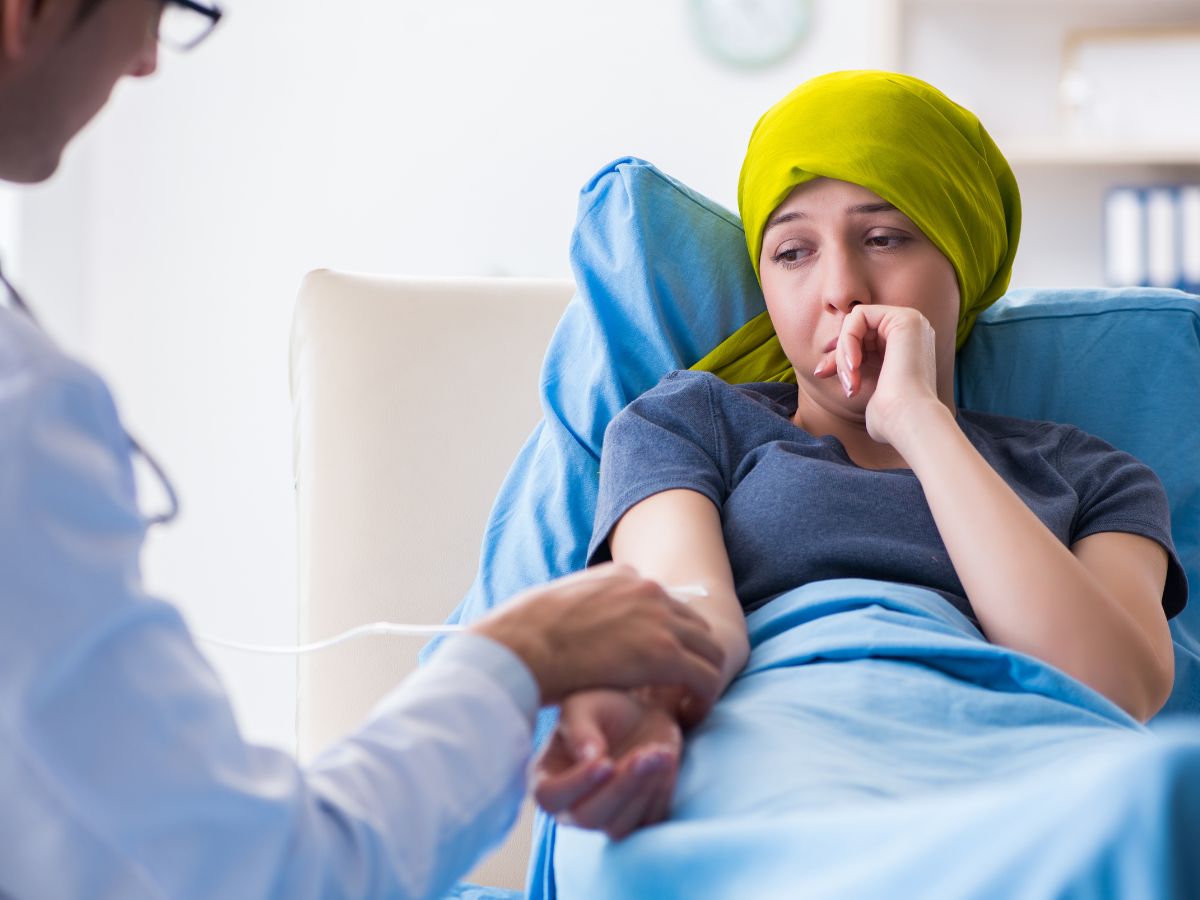

Cancer arises when genetic changes (mutations) cause cells to divide uncontrollably, forming tumors (masses) that invade nearby tissues or spread (metastasize) to distant organs.
What is Cancer?
Cancer refers to a disease that develops in some of the body’s cells, which grow uncontrollably and spread to other parts of the body. Daily, cells grow, divide, and die in an orderly process. Unlike benign tumors, which do not spread, malignant (cancerous) tumors are aggressive. This can lead to interference with bodily functions.

Types of Cancer
As we know, that more than 200 types of cancer. They are classified by the tissue or organ where they originate. Major types are:
- Carcinoma: this develops in your skin or tissues lining organs (like: breast, lung, colon).
- Sarcoma: this mainly starts with connective tissues (bone, muscle, fat).
- Leukemia: this type of cancer of blood-forming tissues, primarily affecting white blood cells.
- Lymphoma and Myeloma: Start in immune system cells.
- Central Nervous System Cancers: Affect the brain and spinal cord.
What Are the Symptoms of Cancer?
As you are aware, of types of Symptoms vary by cancer type, but common warning signs include:
- Unintentional eight loss
- Feeling very tired all the time (fatigue).
- Unusual non-tolerable pain
- Body lumps or swelling
- Unusual bleeding or bruising
- Persistent cough or hoarseness
- Changes in bowel or bladder habits
- Skin changes like new moles, sores, or marks that don’t heal.
- Neurological symptoms like headaches, seizures, or vision problems.
Not all symptoms indicate cancer, but unexplained, lasting issues should prompt a medical evaluation.

What Causes Cancer?
Cancer can be caused by various reasons, like:
- Genetic Factors: There are a few mutations that are inherited, but most occur during life.
- Lifestyle Choices: if you smoke, excessive alcohol consumption, poor diet, obesity, and unsafe sex can increase risk.
- Environmental Exposures: Radiation, pollution, and chemicals (e.g., asbestos, arsenic).
- Infections: Viruses (HPV, hepatitis B/C), bacteria (Helicobacter pylori), and some parasites contribute to certain cancers.
- Age: Risk rises with age due to accumulated mutations and weakened cell repair.
How Is Cancer Diagnosed?
Diagnosis typically involves several steps:
- Physical Exam: You need to check if your body has lumps or abnormal findings.
- Laboratory Tests: Blood and urine tests for markers.
- Imaging: X-ray, CT, MRI, ultrasound, and PET scans to identify tumors.
- Biopsy: Tissue sampling for microscopic evaluation to decide if cancer is present and what type.
- Molecular Tests: Test for certain genetic alterations to inform treatment.

How is cancer stage determined?
The staging of cancer tells us how far the cancer has spread and its location. The widely employed system is the TNM system:
- T (Tumor): The size and extent of the primary tumor
- N (Node): Lymph nodes close to the tumor are involved.
- M (Metastasis): Spread to distant organs.
Associated are stages I to IV: Stage I is localized, while stage IV is disseminated with metastasis. Staging sets the canvas for treatment and prognosis. Clinical staging may be before surgery, whereas pathological staging is when tissue is examined post-surgery.
How is cancer treated?
The treatment varies according to my cancer type and stage, as well as the patient’s condition. Major treatment options include:
- Surgery: Excision of the tumor.
- Chemotherapy: Doctors have an application of chemicals to kill malignant cells.
- Radiation Therapy: There is a therapy that uses high-energy rays or particles to target and kill tumor cells.
- Immunotherapy: This helps the immune system overcome cancer.
- Hormone Therapy: This leads to blocking the hormones that help some cancers.
- Targeted Therapy: In this therapy, drugs act on certain gene changes in cancer.
- Clinical Trials: They might provide access to new or experimental treatments.
Can Cancer Be Prevented?
Not all cancers are preventable, but steps to lower risk include:
- Do not smoke tobacco and avoid exposure to tobacco products.
- Maintain a healthy diet and keep your weight in check.
- Exercise every day.
- Drink a little alcohol.
- Wear sunscreen against excessive sunlight.
- Get vaccinated against viruses connected to cancer (HPV, hepatitis B).
- Practice safe sex to limit infection.
- Up to 40% of instances could be avoided with lifestyle changes.

How Do I Take Care of Myself?
For those diagnosed or who have been deemed at risk, self-care is immensely important:
- You need to eat nutritious and well-balanced meals.
- You can engage yourself in physical activity daily (light stretching, walking, or practicing yoga will do).
- Take sleep 7-8 hours every night.
- Practice in relaxation (meditation, deep breathing).
- Lean on family and friends.
- Know the situations when you have to say, ‘No’ or ask for help.
- Keep up-to-date with the medical team for guidance.
When Should I See My Healthcare Provider?
- If you get to know about any of these issues, consult your physician:
- If any rationale for fatigue, pain, or puffing is there.
- If you lose weight unintentionally.
- If there’s a lump or alteration on the body that does not heal or continues to get worse after any changes in the treatments.
If your serious symptoms surface (bleeding that does not stop, chest pain, trouble breathing, or a new onset of a seizure), rush to the emergency center.
What Questions Should I Ask My Doctor?
Here are a few questions you must ask your doctor. Check below:
- What type of cancer do I have, and where is it located?
- What is the stage? Has it spread?
- What treatment options do I have? What are the risks and benefits?
- What is the prognosis (expected outcome)?
- Are clinical trials available?
- How will treatments affect my daily life?
- Will a multidisciplinary team manage my care?
- What support services are available?
DISCLAIMER- This is for informational purposes only. However, it is advisable to consult a healthcare professional for personalised advice.
Shubhi is a seasoned content writer with 6 years of experience in digital media. Specializing in news, lifestyle, health, sports, space, optical illusions, and trending topics, she crafts engaging, SEO-friendly content that informs and captivates readers. Passionate about storytelling, Shubhi blends accuracy with creativity to deliver impactful articles across diverse domains.




