
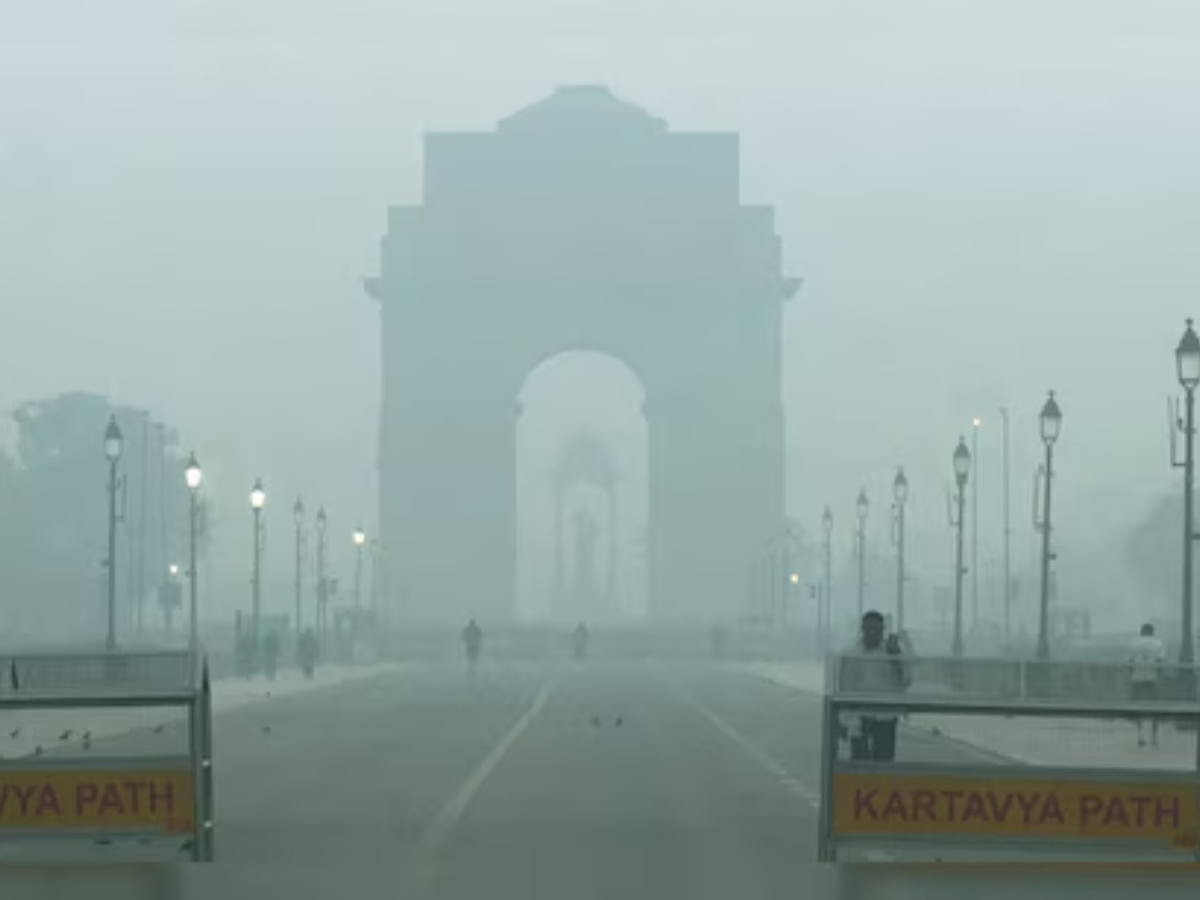

Delhi Air Pollution: Delhi woke up to another day under a dense, toxic smog layer as the city’s overall Air Quality Index (AQI) hit 400, pushing conditions firmly into the ‘severe’ category. Large parts of the national capital remained choked under hazardous air, raising fresh concerns over public health and daily mobility.
Wazirpur Worst-Hit; Several Pockets In ‘Severe’ Zone
Data from the Sameer app, developed by the Central Pollution Control Board (CPCB), revealed Wazirpur as the most affected location, logging an alarming AQI of 477, placing it deep into the severe range.
At the same time, Lodhi Road recorded the lowest AQI among the 39 monitoring stations across Delhi, still registering a troubling 269, which falls under the ‘poor’ category.
Other major areas reported severely compromised air quality as well:
Moti Bagh: AQI 439
Dhaula Kuan: AQI 423
Akshardham: AQI 420
Anand Vihar: AQI 420
In central Delhi, both India Gate and ITO recorded an AQI of 400, placing them in the ‘very poor’ bracket, hovering dangerously close to the severe threshold.
AQI Standards And What They Mean
As per CPCB norms, AQI levels are categorized as follows:
0–50: Good
51–100: Satisfactory
101–200: Moderate
201–300: Poor
301–400: Very Poor
401–500: Severe
With multiple regions breaching the 400 mark, the capital remains under one of its worst pollution spells of the season.
Supreme Court Of India Flags Action On Delhi Air Pollution
The worsening air quality also drew sharp remarks from the Supreme Court, which on Wednesday (November 19) expressed its dissatisfaction with the measures taken by authorities, especially at a time when pollution levels are at their peak. The Bench directed that the top court will now conduct monthly monitoring of actions implemented to combat air pollution in Delhi.




