

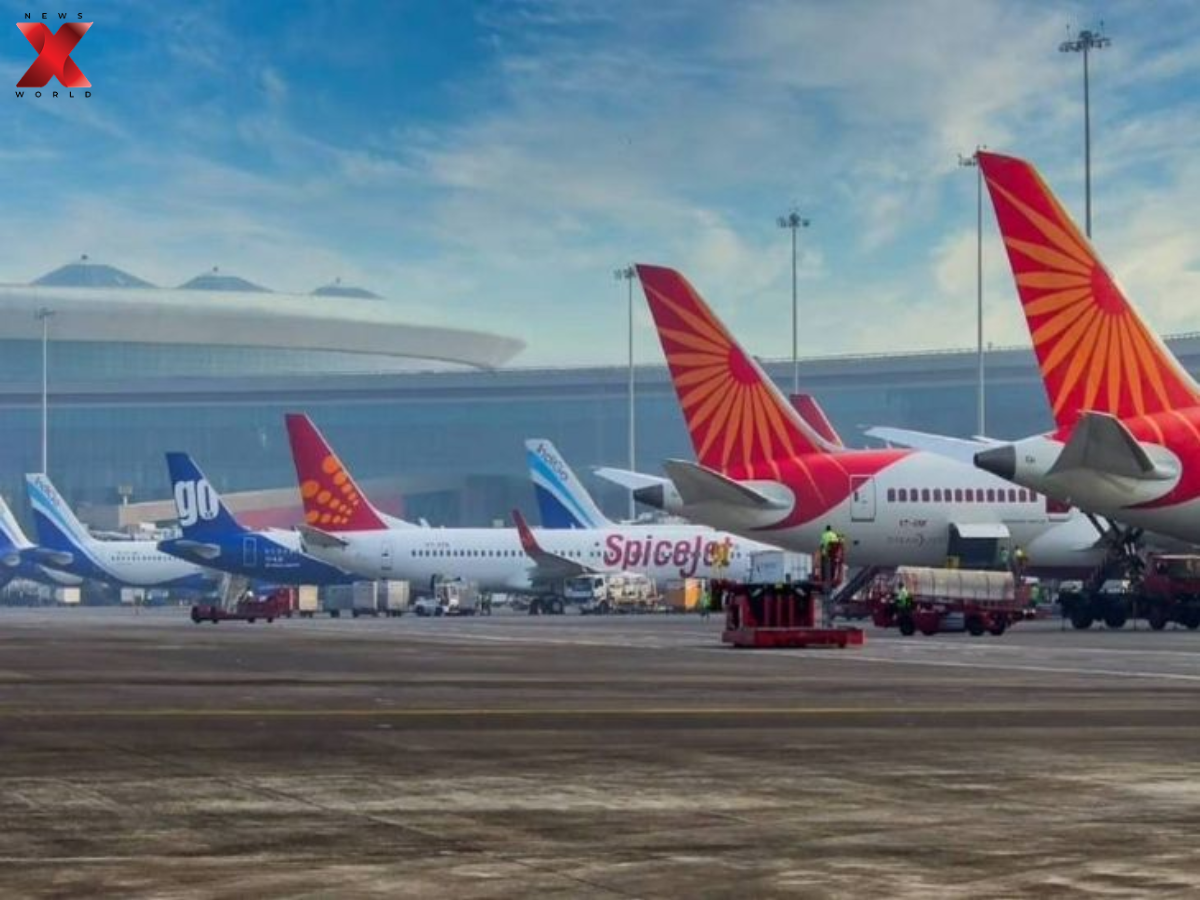
AVIATION FUEL CRISIS: The Federation of Indian Airlines has written to the Ministry of Civil Aviation, seeking help for the airline industry, which is facing extreme stress due to the present pricing of Aviation Turbine Fuel (ATF). The FIA tells the Centre in the letter that this has led the airline industry to the verge of closure. “The Indian airline Industry is in a state of extreme stress and is on the verge of shutdown or cessation of operation. The crisis of the Aviation Industry has been further aggravated by the West Asia War and the steep rise in the price of ATF (Aviation Turbine Fuel),” reads the letter.
ATF Price Hike Pushes Indian Airlines Into Deep Crisis
It also said that as the price of ATF has been increased by Rs.73 per litre, it has made international operations “completely unviable”
“The price of ATF for international operations has been increased by Rs.73 per litre in April 2026 making it almost impossible to operate international and domestic operations and causing huge losses to the aviation industry,” FIA said.
“The results of April’26 pricing do not provide a level playing field for domestic and international operations,” the airline body added. The new prices for aviation turbine fuel (ATF) are being set at a time when oil and gas supply is being disrupted by the US and Israel’s war on Iran.
Federation Of Indian Airlines Flags Severe Crisis
The war has resulted in the blockage of the Strait of Hormuz, which is a key international shipping channel for about 20 per cent of the world’s energy supply.
“The ongoing conflict has increased the price of Brent Crude from US$ 72 / BBL to US$ 118 / BBL and resultant ATF price (MOPAG + Premium) from US$ 87.24 to US$ 260.24 / BBL (295% increase) and current price is US$ 235.63 / BBL, much higher than March’ 25 price,” the airline body said.
The FIA pointed out that ATF usually makes up about 30 to 40 percent of an airline’s expenses. But with prices climbing because of the US-Iran conflict, that number has shot up—now ATF takes up almost 55 to 60 percent of what it costs to run an airline. On top of that, the Rupee has hit a new low, making jet fuel even more expensive for airlines.
To tackle this mess, the airlines suggested three steps to the government:
First, bring back the crack spread formula they agreed on before—all about how refineries set their margins when turning crude into jet fuel. Then, temporarily put a pause on the 11 percent excise duty for domestic flights.
Finally, cut VAT in major states like Delhi and Tamil Nadu. The FIA highlighted that even though Mumbai, Bangalore, Hyderabad, and Kolkata account for more than half of air traffic in India, VAT in those cities still hovers between 16 and 20 percent. If the government applies these changes all across the country, the FIA believes it’ll level the playing field, ease the pressure on airlines, and help them compete with international carriers.
With 13 years on the line, Ashish Kumar Singh loves everything when it comes to movies, music, travel and pop culture. Formerly employed at ANI, Pinkvilla, India Today and HT, Ashish has interviewed some of the top celebrities of India, including Shah Rukh Khan, Aamir Khan, Ranveer Singh, Ranbir Kapoor and Hrithik Roshan, among others. Breaking news excites him and deadlines are what he chases. Interviewing comes naturally to him. Hit him up at ashish.kumar02singh@gmail.com.





