
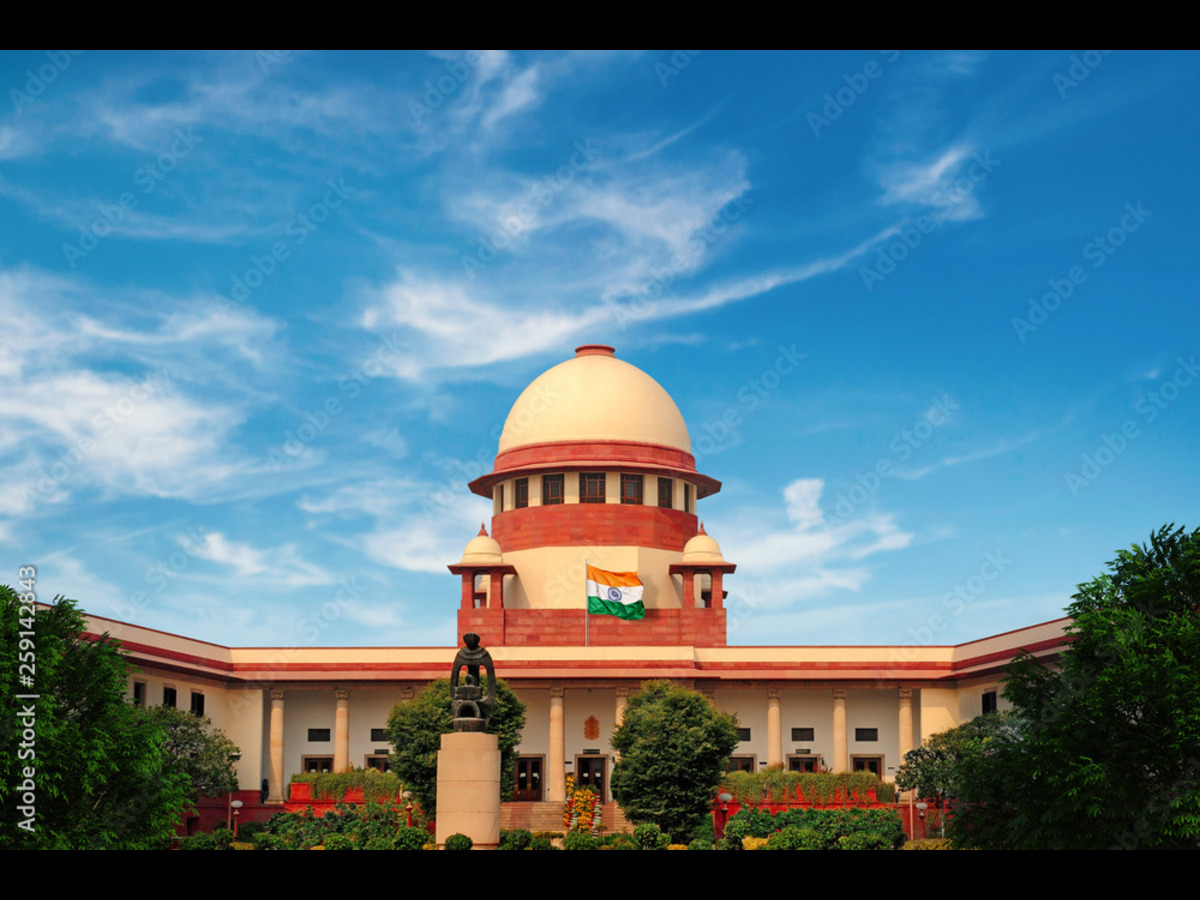

Despite the legal challenges to the Election Commission of India’s (ECI) Special Intensive Revision (SIR) of Bihar’s voter rolls, the Supreme Court has defended the initiative, calling it “voter-friendly, not exclusionary.” A bench of Justices Surya Kant and Joymalya Bagchi found out that expanding the list of acceptable documents for identity verification from seven to eleven actually widened voter access rather than limiting it.
Petitioners had argued that excluding commonly held documents such as Aadhaar, voter ID, and ration cards would unevenly harm Bihar’s marginalized, low-income residents. However, the court noted that increasing the number of permitted documents gives voters more flexibility, despite concerns over coverage and accessibility of those documents.
Addressing arguments that the ECI overstepped its remit by probing into citizenship determination, the court reaffirmed that while the Parliament defines citizenship, the ECI has the authority to include legitimate citizens and exclude non-citizens from electoral rolls although self-declarations alone may pose legal complications.
The apex court also highlighted that the revision should focus on inclusive enrollment rather than broad voter exclusion. It urged election authorities to encourage mass inclusion of eligible citizens and reconsider accepting documents like Aadhaar and EPIC for verification, although current norms still exclude them.
Further easing the process, the ECI clarified that individuals listed in the 2003 voter rolls and their children do not need to submit additional documentation, thus reducing the burden on long-standing voters.
Despite legal hurdles and political protests, the Supreme Court’s current stance strengthens the ECI’s position, highlighting its efforts to balance electoral integrity with voter inclusivity ahead of the 2025 Bihar Assembly elections.
Also Read: Supreme Court Orders Rouding Up Of Strays, But Does Delhi Have Enough Shelters?




